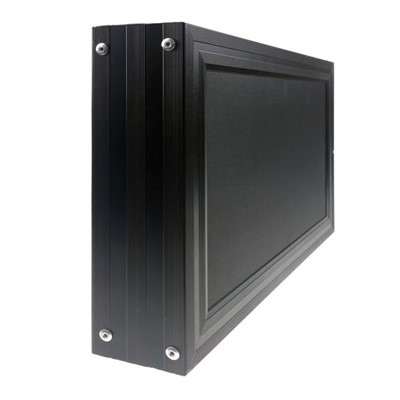
As a supplier of acoustic noise barriers, I’ve witnessed firsthand the profound impact these structures have on sound propagation. In this blog, I’ll explore the science behind acoustic noise barriers and how they influence the way sound travels. Acoustic Noise Barrier
Understanding Sound Propagation
Before diving into the effects of noise barriers, it’s essential to understand how sound propagates. Sound is a mechanical wave that travels through a medium, such as air, by causing particles in the medium to vibrate. These vibrations create areas of high and low pressure that move away from the source of the sound in all directions.
The propagation of sound is affected by several factors, including the frequency of the sound, the distance from the source, and the characteristics of the medium through which it travels. Higher – frequency sounds tend to be more directional and are absorbed or scattered more easily than lower – frequency sounds. As sound travels further from its source, its intensity decreases according to the inverse – square law, which states that the intensity of sound is inversely proportional to the square of the distance from the source.
How Acoustic Noise Barriers Work
Acoustic noise barriers are designed to interrupt the path of sound waves and reduce the amount of noise that reaches a particular area. They work based on three main principles: reflection, absorption, and diffraction.
Reflection
When a sound wave hits a noise barrier, a portion of the sound is reflected back towards the source. The effectiveness of reflection depends on the surface properties of the barrier. A hard, smooth surface is more likely to reflect sound effectively. For example, a concrete noise barrier can reflect a significant amount of high – frequency sound waves. However, reflection alone is not enough to completely block sound, as some sound will still find its way around the barrier.
Absorption
Another important mechanism is absorption. Acoustic noise barriers can be made of materials that absorb sound energy. When a sound wave enters an absorbent material, the energy of the wave is converted into heat. Materials such as fiberglass, mineral wool, and porous foams are commonly used for sound absorption. These materials have a large number of small pores and cavities that cause the sound waves to bounce around and lose energy. The absorption coefficient of a material indicates how well it absorbs sound at different frequencies. A high absorption coefficient means that the material is effective at absorbing sound.
Diffraction
Diffraction occurs when sound waves bend around the edges of a noise barrier. Even if a barrier is tall, some sound will diffract over the top and around the sides. The amount of diffraction depends on the wavelength of the sound and the height and length of the barrier. Longer wavelengths (lower – frequency sounds) diffract more easily than shorter wavelengths (higher – frequency sounds). To minimize diffraction, noise barriers are often designed to be as tall and long as possible, and additional features such as angled tops can be used to reduce the amount of sound that diffracts over the barrier.
Factors Affecting the Performance of Acoustic Noise Barriers
Several factors can influence how well an acoustic noise barrier affects sound propagation:
Height of the Barrier
The height of the noise barrier is a crucial factor. A taller barrier can block more direct sound and reduce the amount of diffraction. In general, increasing the height of the barrier by a certain amount can lead to a significant reduction in the noise level on the other side. For example, doubling the height of a barrier can result in a 6 – dB reduction in noise level in some cases. However, there are practical limitations to how tall a barrier can be, such as cost, structural stability, and aesthetic considerations.
Length of the Barrier
The length of the barrier also matters. A longer barrier can prevent sound from entering from the sides. If the barrier is too short, sound can easily diffract around the ends, reducing its effectiveness. In many cases, continuous barriers are more effective than segmented ones, as they provide a more complete blockage of the sound path.
Material Properties
The choice of material for the noise barrier has a significant impact on its performance. As mentioned earlier, materials with high absorption coefficients are better at reducing sound. Additionally, the density and stiffness of the material can affect its ability to reflect sound. For example, a dense and stiff material like steel can reflect sound well, but it may not absorb sound as effectively as a porous material.
Location of the Barrier
The location of the noise barrier relative to the source of the sound and the receptor (the area where the noise reduction is desired) is important. Placing the barrier closer to the source of the sound can be more effective, as it can block the sound before it spreads out too much. However, there may be practical constraints, such as limited space or the need to comply with local regulations.
Real – World Applications and Case Studies
Acoustic noise barriers are used in a variety of real – world applications, including along highways, railways, and industrial areas.
Highway Noise Barriers
Highways are a major source of noise pollution. Noise barriers along highways are designed to protect nearby residential areas from the noise of traffic. In many cases, these barriers are made of concrete or composite materials. For example, in a study of a highway noise barrier project, it was found that a well – designed concrete barrier reduced the noise level in nearby homes by up to 10 – 15 dB. This significant reduction in noise can improve the quality of life for residents living near the highway.
Railway Noise Barriers
Railways also generate a lot of noise, especially from trains passing at high speeds. Noise barriers along railways can be made of different materials, such as steel or fiberglass. A railway noise barrier project in a large city showed that by installing a fiberglass – based noise barrier, the noise level in a neighboring community was reduced by 8 – 12 dB. This reduction in noise was particularly beneficial for schools and hospitals located near the railway tracks.
Industrial Noise Barriers
In industrial areas, noise barriers are used to protect workers and nearby communities from the noise generated by machinery and manufacturing processes. These barriers are often designed to be more robust and can be made of materials that can withstand harsh environmental conditions. For example, a noise barrier made of steel and lined with an absorbent material was installed around a large factory. The barrier effectively reduced the noise level in the surrounding area, allowing workers to operate in a quieter environment and minimizing the impact on nearby residential areas.
Benefits of Using Acoustic Noise Barriers
The use of acoustic noise barriers offers several benefits:
Improved Quality of Life
By reducing noise pollution, noise barriers can improve the quality of life for people living or working in the vicinity. This can lead to better sleep, reduced stress, and improved overall well – being.
Environmental Protection
Noise pollution can have a negative impact on wildlife. By reducing the amount of noise in an area, noise barriers can help protect the natural environment and the habitats of animals.
Compliance with Regulations
Many countries and local governments have regulations regarding noise levels. Installing acoustic noise barriers can help businesses and transportation authorities comply with these regulations and avoid potential fines.
Conclusion
Acoustic noise barriers play a vital role in controlling sound propagation and reducing noise pollution. Through the principles of reflection, absorption, and diffraction, they can effectively block, absorb, and redirect sound waves. The performance of these barriers is influenced by factors such as height, length, material properties, and location.
As a supplier of acoustic noise barriers, I understand the importance of providing high – quality products that are tailored to the specific needs of each project. Whether it’s a highway, railway, or industrial application, we have the expertise and experience to design and install noise barriers that offer optimal noise reduction.
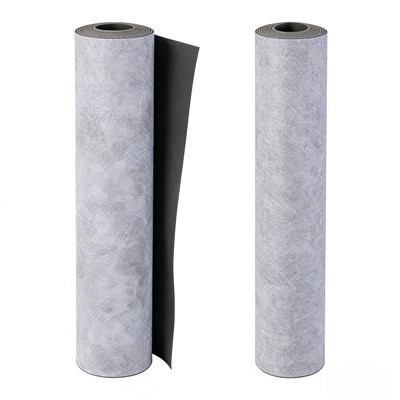
PET Acoustic Panels If you’re interested in learning more about our acoustic noise barriers or would like to discuss a potential project, I encourage you to reach out to us. We’re committed to helping you find the best solution to your noise – control needs.
References
- Beranek, Leo L. "Noise and Vibration Control." McGraw – Hill, 1971.
- Harris, Cyril M. "Handbook of Noise Control." McGraw – Hill, 1991.
- Kryter, Karl D. "The Handbook of Hearing and the Effects of Noise: Physiology, Psychology, and Public Health." Academic Press, 1994.
Guangzhou MQ Acoustic Materials Co., Ltd.
Guangzhou MQ Acoustic Materials Co., Ltd. is one of the most professional acoustic noise barrier manufacturers and suppliers in China, featured by quality products and low price. Welcome to buy CE approved acoustic noise barrier in stock here and get quotation from our factory. We also accept customized orders.
Address: Room D403, KeZhu Business Building, ZhuJi Road, TianHe District, GuangZhou, China
E-mail: Lizzy@mq-acoustics.com
WebSite: https://www.acoustic-projects.com/
