If you’ve ever ordered suspended ceiling baffles for a commercial, educational, or hospitality space, you know that getting them to your site safely and intact is half the battle. As a supplier who’s been working directly with contractors, interior designers, and facility managers for over a decade, I’ve seen first-hand how improper transport can turn perfectly manufactured baffles into scratched, bent, or broken pieces that throw off your entire project timeline. That’s why today I’m walking through exactly how we recommend transporting suspended ceiling baffles—from the loading dock at our warehouse to the final lift into a space—with tips that come straight from on-the-ground experience, not just textbook guidelines. Suspended Ceiling Baffles
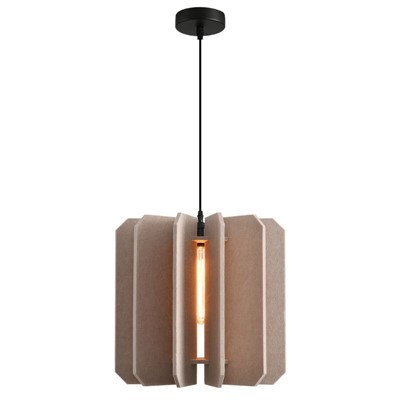
First, it’s important to start with what suspended ceiling baffles actually are, because their transport needs depend a lot on their design. Unlike flat drop ceilings, baffles are those long, vertical (sometimes angled) panels that hang from a ceiling grid, usually used for acoustic control, visual partitioning, or even architectural style. They come in a range of sizes: we supply standard 2-foot by 4-foot baffles, up to 12-foot long custom pieces for high-ceiling atriums, and they’re made from materials like painted steel, aluminum, fabric-wrapped fiberglass, or even wood composite. Each material has its own vulnerabilities. For example, fabric-wrapped baffles can snag easily on rough edges, while metal ones bend if they’re stacked too heavily without support. That’s why our transport plan is tailored to material and size, not a one-size-fits-all approach.
Let’s start with the first step: prepping for transport before you even touch a truck. Before loading, you need to make sure you have the right tools on hand, because skipping this step is where most damage happens. From our experience, the most useful items are heavy-duty, corrugated cardboard inserts (we custom-cut these for every order), foam edge protectors, nylon ratchet straps (not bungee cords—those stretch and slip), and non-abrasive blankets. We’ve seen contractors use bungee cords a hundred times, and even when they look tight, the vibration of a truck on the highway will loosen them, leading to panels shifting and hitting each other. Also, measure your truck bed or cargo van first. A common mistake is ordering a set of 10-foot long baffles and loading them into a 8-foot van, forcing you to angle them awkwardly, which creates stress on the panel’s edges and welds. Always add a 6-inch buffer to your measurement to leave room for padding. If you don’t have a van that fits standard lengths, we can also cut custom-length baffles, though that adds a small lead time—we’re happy to adjust if your transport space is limited.
Next, loading the baffles. How you place them is critical, especially for long pieces. For standard 2- to 4-foot baffles, we recommend loading them horizontally on flat pallets, not standing vertically. Standing them up makes them top-heavy, and if the truck brakes suddenly, they can tip over and dent or scratch. When stacking on pallets, alternate the direction of each layer. For example, if the first layer of 4-foot baffles runs north-south on the pallet, run the next layer east-west. This interlocking pattern prevents the stack from shifting as the truck moves, and it distributes weight evenly so the bottom panels don’t get crushed. For custom 8- to 12-foot long baffles, these can’t be stacked on pallets efficiently—they need to be loaded lengthwise along the inside of the truck, either along the side walls or secured in a rack we can provide for a small additional fee. If you have to lay them along the truck floor, add foam edge protectors every 2 feet along the length to prevent the metal or material from rubbing against the rough truck floor. Never place heavy items like tools, electrical supplies, or extra pallets on top of baffles—even a 50-pound box on a stack of baffles can leave a permanent indent on fabric or bend thin metal sheets.
Once loaded, securing the baffles is the next make-or-break step. We’ve had way too many clients tell us they used rope to secure their load, only to find the rope’s rough fibers scratched the powder-coated finish on steel baffles. That’s why we only recommend soft, woven nylon ratchet straps for metal or fabric baffles. For horizontally stacked palletized baffles, use two straps per pallet—one near the top third and one near the bottom third of the stack. Pull the straps tight enough that you can only squeeze about 1 inch of give between the strap and the stack; any looser and the load shifts, any tighter and you risk bending the pallet edges. For long, unpalletized baffles running along the truck, use straps every 3 feet along the length, attaching them to the truck’s built-in tie-down points (never to the sides of the truck body itself, which can puncture or bend). If your truck has open sides, use weighted down tarps to protect from rain, snow, or even road debris kicking up from other vehicles. We always remind our clients that road spray is a common culprit of hidden damage—acoustic fiberglass baffles can absorb water if left uncovered, and metal ones will rust within weeks if they’re exposed to salt spray in cold climates.
Now, what about when you get to the job site? Transport doesn’t end when the truck pulls up—how you unload and move the baffles to the ceiling area is just as important. The number one mistake we see here is trying to carry too many baffles at once. For a single standard 4-foot baffle, one person can handle it, but for a pair, two people should carry them, each holding an end, to keep the panel straight. Never bend a baffle to fit through a doorway or down a hallway—even a small curve in the panel will throw off how it hangs from the ceiling grid, and metal baffles may not straighten back out. For long 12-foot baffles, use a dolly with a wide deck, or two people each at opposite ends, walking slowly to avoid swinging the baffle into walls, door frames, or construction materials. Also, keep baffles off the ground during unload. Concrete floors, construction dust, and nail fragments can scratch finishes, snag fabric, or leave permanent marks on wood composite baffles. If you have to set them down, lay them on a flat, clean sheet of plywood or a heavy-duty tarp.
I should also mention a few material-specific transport tips, because not all baffles are made the same. For fabric-wrapped acoustic baffles, this is our biggest priority. The fabric is often a tight, woven material that snags on even small splinters or rough edges. We supply each fabric baffle with a thin plastic protective sleeve over the fabric face before shipping, and we recommend leaving that sleeve on until you’re ready to install the baffle. Never use tape to hold the sleeve in place on site—tape can leave a sticky residue on the fabric that’s nearly impossible to remove, so just tuck the excess sleeve around the edges of the baffle until installation time. For metal baffles, whether steel or aluminum, avoid stacking more than 15 layers of standard 2-foot by 4-foot baffles on a single pallet. More than that, the weight of the top layers will bend the bottom panels, even if they’re stacked alternating directions. For wood composite baffles, which are heavier and more prone to warping, keep them in a temperature-controlled space during transport and on site if possible. Extreme heat or cold can cause the wood to expand or contract, leading to warping that makes installation difficult.
Over the years, we’ve also learned that communication about transport goes a long way. Before we ship any order, we ask our clients a few key questions: what size truck do you have access to, what’s the total length of the baffles you’re receiving, and do you have any tight spaces on site like narrow doorways or low hallways? If a client is working on a space with a 9-foot wide hallway, we can adjust the order to shorter baffles that fit through the space without bending. We also include a free transport guide with every order, complete with photos of proper loading, securing, and unloading, because we know that not every contractor has worked with suspended ceiling baffles before.
I’ll be honest—transport damage is frustrating for everyone. It delays projects, wastes money on replacement parts, and can throw off a client’s timeline for opening a new space or completing a build. That’s why we’ve built our entire process around making transport as simple and damage-free as possible. We use heavy-duty pallets for standard sizes, custom foam for custom pieces, and we work closely with clients to plan for their specific site needs.
If you’re ordering suspended ceiling baffles for your next project, or you have questions about transport for an existing order, we’re here to help. We’ve supplied baffles for everything from small retail shops to large university auditoriums, and we’ve worked through all sorts of transport challenges over the years. We can adjust your order size, supply custom edge protectors, or walk you through step-by-step on loading and unloading to make sure your baffles arrive in perfect condition.
Sound Insulation Materials Don’t let bad transport ruin your project. Reach out to our team today to discuss your needs, whether you’re a general contractor, interior designer, or building manager, and we’ll make sure you have everything you need to get your suspended ceiling baffles to site safely and ready to install.
References
- National Research Council. (2015). Acoustical Design for Commercial Buildings. National Academies Press.
- Construction Safety Association of Ontario. (2021). Guidelines for Transporting and Handling Long Building Materials.
- Acoustical Society of America. (2019). Performance Specifications for Suspended Acoustic Baffles.
Guangzhou MQ Acoustic Materials Co., Ltd.
Guangzhou MQ Acoustic Materials Co., Ltd. is one of the most professional suspended ceiling baffles manufacturers and suppliers in China, featured by quality products and low price. Welcome to buy CE approved suspended ceiling baffles in stock here and get quotation from our factory. We also accept customized orders.
Address: Room D403, KeZhu Business Building, ZhuJi Road, TianHe District, GuangZhou, China
E-mail: Lizzy@mq-acoustics.com
WebSite: https://www.acoustic-projects.com/
