If you’ve ever scrubbed a stubborn burnt-on stain off a pan only to realize your regular dish sponge was totally useless, or you’ve tried to buff a scuff off a hardwood floor and messed up the finish, you’ve probably wondered if there’s a better way. That’s where a dual-sided abrasive sponge comes in—something I deal with every single day as an abrasive sponge supplier, and let me tell you, it’s way more than just a “fancy scrubber” you see at the grocery store. Let’s break this down like I’m chatting with a regular customer who’s never dug into the details. Abrasive Sponge
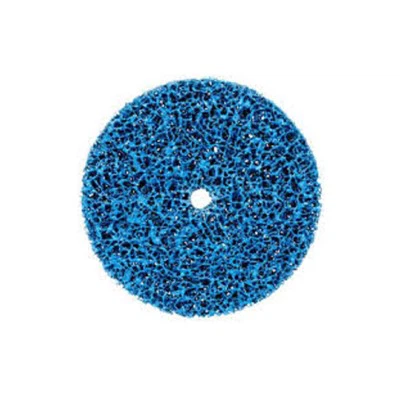
First off, let’s cut through the confusion: a dual-sided abrasive sponge is exactly what it sounds like—a single cleaning tool with two distinct sides, each built for a different job. One side is soft, porous, and absorbent, basically the regular sponge you know, made from materials like cellulose or polyurethane foam to hold soapy water, lather up, and get into tiny crevices without scratching. The other side is the “abrasive” side, which has tiny, hard grit particles bonded to a flexible backing—usually something like melamine resin, aluminum oxide, or silicon carbide, depending on what it’s designed to scrub. Unlike a rough steel wool pad (which can leave metal shavings and scratch non-stick cookware), this abrasive side is calibrated to be tough on gunk but gentle on most surfaces, if you use it right.
Wait, let’s get into the grit specifics because that’s where a lot of people get tripped up. Grit size is measured in a standard scale—lower numbers mean coarser, more aggressive grit; higher numbers mean finer, milder grit. For example, the coarse abrasive side you’d use to strip burnt grease off a cast iron skillet is usually around 40 to 80 grit. That’s tough enough to break down baked-on carbon without being so harsh it gouges the cast iron’s seasoning. On the flip side, the finer abrasive side (120 to 220 grit) is for things like scuff marks on walls, light rust on metal hardware, or getting rid of stickers without tearing paint—way gentler, so you don’t ruin your kitchen backsplash or your kid’s bedroom wall. That difference is why a dual-sided sponge is way more versatile than buying a separate regular sponge and a standalone abrasive pad.
Now, how are these made? I’ll be honest, as a supplier, I don’t mess around with cheap, flimsy ones that fall apart after one use. The good dual-sided sponges (the kind we sell) are laminated properly—so the abrasive side isn’t just glued on and likely to peel off mid-scrub. The process usually starts with the soft foam side, which is molded to have that porous, squishy texture. Then the abrasive layer is applied using a heat-activated resin binder; that melts, seeps into the sponge’s base, and holds the grit in place so it doesn’t flake off all over your counter. Some cheaper versions just have a thin grit sheet stuck on with regular glue, which wears out in two uses—you know the ones, you scrub a pan twice and the abrasive side is smooth. That’s why it pays to go with a supplier who uses proper lamination, not just a quick bond.
Let’s talk about common uses, because that’s what people actually care about. A lot of folks reach for these for kitchen cleaning first: burnt-on gunk on pots and pans (especially non-stick, since steel wool will scratch that), crud on oven racks, even stuck-on food on baking sheets. But they’re super useful around the house too. I’ve heard from a lot of our customers that they use them for: scuff marks on baseboards and painted walls, light rust on bike chains or garden tools, residue from adhesive tags on glass or plastic, even getting gum off shoes (just don’t press too hard on the canvas, trust me). The best part? You don’t have to switch tools mid-job—wet the sponge, lather up with soap, scrub with the abrasive side for the tough stuff, then flip to the soft side to wipe away suds. No more grabbing a separate steel wool pad, then a regular sponge, then a paper towel—one tool does it all.
Wait, but let’s get real: they’re not magic, and they do have limits. A lot of people misuse them, which makes them seem like a bad product. You can’t use the coarse side on delicate surfaces like marble countertops, stainless steel appliances with a brushed finish (too aggressive, it’ll leave permanent scratches), or glass cooktops with a smooth ceramic finish (it can scratch that too). And they’re not meant for super heavy-duty jobs, like removing thick paint or rust from a car frame—for that, you need a bigger, more heavy-duty abrasive tool. But for 90% of the regular cleaning jobs people deal with, they’re perfect. I see a lot of new customers test one out and come back saying, “Why didn’t I know about this earlier?” That’s the feedback that keeps me doing this.
Now, why should you care about buying a good one from a reliable supplier, vs. a $1 one from the dollar store? Let’s break that down. The cheap ones: the abrasive side is too coarse, so it scratches surfaces, or the grit falls off after two uses, or the soft side soaks up water but stays slimy for days because the foam is non-porous. The ones we supply? We test every batch to make sure the grit is distributed evenly, not clumpy in spots, and the bond between the two sides is strong enough to last at least 10-15 uses (way more than the cheap ones). We also offer different grit options: some sponges have one coarse, one fine side for heavy-duty cleaning, and others have two fine abrasive sides for gentle tasks, so you can pick what fits your needs.
Another thing people don’t talk about: how to care for a dual-sided abrasive sponge to make it last. This is a tip I give all the time, because even a good sponge will go bad fast if you don’t maintain it. After each use, rinse it out really well—scrub it under warm water to get rid of any food particles or soap scum. Squeeze out all the excess water, because dampness is what makes sponges grow mold and bacteria. A lot of people leave their sponges in a damp dish rack or under the sink, which is a disaster. If you hang it to dry (most have a small loop for that), it stays dry longer, lasts way longer, and doesn’t get that gross slimy smell. Pro tip: every few days, you can soak it in a mix of warm water and white vinegar for 10 minutes to kill any bacteria, then rinse it out. Way better than using a new sponge every week, which saves you money in the long run.
Wait, let’s clear up a common misconception: some people think the abrasive side is made of the same melamine foam as Magic Erasers. No, that’s a mix-up. Magic Erasers are just melamine foam, which is abrasive on its own as it wears down. A dual-sided abrasive sponge has a separate abrasive layer (usually with hard grit particles) bonded to a regular sponge. So it’s a different product—Magic Erasers are good for light scuffs, but the dual-sided one is better for jobs where you need more scrub power, plus you get the soft sponge side for cleaning up. That confusion comes up all the time, so I make sure to explain that to every customer who calls in.
Now, let’s talk about why this tool has become so popular lately. People are looking for multi-use cleaning tools to cut down on clutter in their kitchens and cleaning caddies. I know I hate having 10 different scrub pads, sponges, and cloths stuffed under my sink. A dual-sided abrasive sponge replaces at least two tools, so it’s great for small apartments, campers, or anyone who doesn’t want a closet full of cleaning junk. Also, with more people caring about reducing waste, these sponges are reusable—you can get way more uses out of one than a disposable scrub pad, which is a big plus for folks trying to be a little more eco-friendly.
But let’s get back to the practical stuff: if you’re in the market for one, what should you look for? First, check the two sides: make sure the abrasive side is a solid, uniform layer, not just a thin sheet that can peel off. The soft sponge side should be thick enough to hold water, not flimsy. If you’re using it for tough jobs (burnt pans, oven racks), go for a coarse/fine dual-sided sponge. If you’re using it for walls, shoes, or light scuffs, a fine/fine or medium/fine is better. And skip the ones that say “one-size-fits-all” without specifying the grit—those are usually the cheap ones that don’t work well.
As a supplier, I’m not here to push garbage. I’ve been doing this long enough to know the difference between a sponge that works and one that’s a waste of money. We don’t cut corners on materials, because repeat customers are everything. If you’ve tried a dual-sided abrasive sponge before and it fell apart after one use, or it scratched your non-stick pan, that’s probably because you got a low-quality one. The good ones are designed with specific use cases in mind, so you don’t have to stress about ruining your stuff.

At the end of the day, a dual-sided abrasive sponge is just a smart, simple cleaning tool that solves a lot of annoying problems. You don’t need fancy chemicals or expensive gadgets to get gunk off surfaces—sometimes all you need is a sponge that’s tough when it needs to be, gentle when it doesn’t. If you’re ready to stock up for your home, business, or cleaning supplies, feel free to reach out to our team to talk through what you need. We can answer questions about grit sizes, quantities, and any custom stuff you might be looking for. Don’t settle for a flimsy scrubber that doesn’t do the job—grab one that works, and you’ll wonder how you ever cleaned without it.
Sanding Sponge Disc References
- "Abrasive Sponge Manufacturing: Grit Selection and Bonding Techniques" – Industrial Cleaning Materials Association, 2022
- "Surface Compatibility for Non-Metal Abrasive Tools" – Journal of Home Cleaning Technology, 2021
- "Sponge Care and Bacteria Growth Reduction" – Food Service Equipment & Supplies Association, 2023
Jiangxi Golden Abrasives Co., Ltd.
Jiangxi Golden Abrasives Co., Ltd. is one of the most professional abrasive sponge manufacturers and suppliers in China, featured by quality products and good service. Please rest assured to wholesale customized abrasive sponge from our factory. Contact us for free sample.
Address: Head Office Add: Block 4B, No.1177 Jiulong avenue, Honggutan district, Nanchang city, Jiangxi province, China
Factory Add: Xin’an Industrial Park, Hengshanqiao Town, Wujin District, Changzhou City, Jiangsu Province, CN
E-mail: sales@goldenabrasives.com
WebSite: https://www.golden-abrasives.com/
