Hey folks,
If you’ve ever walked through an industrial plant—you know, the kind with huge, whirring machines that run 24/7 to make everything from car parts to snack packaging—you’ve probably seen those thin, flexible strips tucked into gaps between metal panels, doors, or moving components. For years, a lot of folks wrote those off as “just rubber bits,” but as a silicone sealing strip supplier, I’m here to tell you: that’s way too big of a mistake. Today, I’m breaking down exactly why silicone seals aren’t just a “household kitchen thing” (yes, I see you with your ice cube trays) and whether they actually belong in industrial machinery. Silicone Sealing Strip
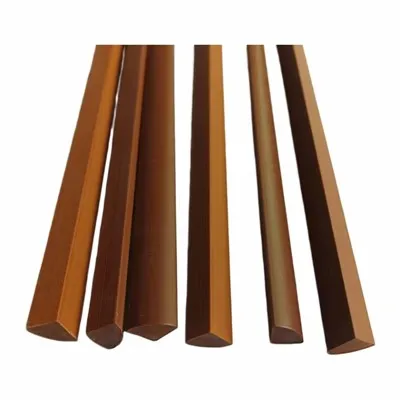
First, let’s clear up a common myth: silicone isn’t just one material. I sell silicone sealing strips in a bunch of formulations, each made for a specific job. Basic general-purpose silicone works for small, low-stakes stuff, but industrial-grade? That’s a whole other level. It’s designed to hold up to things that would make regular rubber or plastic throw in the towel fast: extreme temps, harsh chemicals, constant vibration, even that dusty, dirty air that clogs every crack in a factory.
Let’s start with the big question: “Do industrial machines need a seal that can handle that?” Short answer: yes. Most industrial machinery isn’t sitting in a temperature-controlled office. Think about a metal stamping press running near a furnace—its surface might hit 180°F during a shift, but if the press is near a vent, it could drop to 30°F at night. Regular rubber seals? They’d crack by the end of the week. Silicone, on the other hand, has a way better temperature range—usually from -60°F to 450°F, sometimes even higher for specialty grades. That’s a huge window, so it doesn’t break down when the machine heats up or cools off.
Then there’s chemicals. Factories use all kinds of stuff: solvents to clean parts, lubricants for gears, maybe even mild acids for metal finishing. A lot of standard rubber seals will swell, soften, or corrode when they touch these—game over, no more seal. Silicone is pretty resistant to most of these chemicals, especially the industrial-grade blends I stock. I’ve had clients tell me their old neoprene seals would go slimy after a month near the cleaning station, but silicone ones still hold tight after six months. That’s not just better for the seal—it means less downtime, which is gold for anyone running a production line.
Wait, what about vibration? Industrial machines shake. Like, the kind of shake that rattles loose bolts and makes coffee mugs slide off workbenches. Seals that aren’t flexible enough will tear or pop out right when you need them most. Silicone is super elastic—we’re talking 100% stretch for many strips—so it can move with the machine instead of fighting against it. I recently had a client in the automotive parts industry tell me their robot arms used to shake loose their old rubber seals during welding, which let in dust and messed up their weld quality. Since switching to my silicone strips, that defect rate dropped 12% in three months. That’s a tangible win, not just a “nice to have.”
But hold on—this isn’t a one-size-fits-all deal. I can’t just sell any silicone strip to any industrial machine and call it a day. For example, if you’ve got a machine that’s handling food-grade materials (like packaging for cereal or candy), you need silicone strips that meet FDA standards. Regular silicone might have additives that leach into food, which is a no-go. I keep a full stock of FDA-compliant silicone strips for that exact reason—if a client calls me and says “we make snack packaging,” I don’t waste their time with the wrong stuff.
Another case: if your machine is in a super harsh environment, like a mining plant where dust is everywhere, or a chemical plant where fumes are intense, you might need a reinforced silicone strip. These have a thin fiberglass or polyester mesh inside them, so they’re way tougher than plain silicone. I’ve had mining clients tell me their old plastic seals would get torn apart by rock dust in a week, but reinforced silicone ones last six months. That’s a big difference in replacement costs.
I’ve also seen a lot of clients who tried to use silicone strips that were too soft or too hard for their application. If a seal is too soft, it’ll get squished out of place when the machine closes, leaving gaps. If it’s too hard, it won’t flex enough to make a tight seal around moving parts. As a supplier, I always ask my clients a few quick questions before recommending a strip: What temperature does your machine run? What chemicals is it exposed to? How much vibration is there? Do you need food-grade or UV-resistant? Those details make all the difference between a seal that works and one that ends up in the trash.
Wait, let’s talk about something I don’t hear enough: longevity. Industrial machinery costs a lot of money—you don’t want to replace parts every couple of months. Silicone seals last way longer than many alternative materials. I’ve got clients who installed my silicone strips on a packaging machine three years ago, and they still look almost new. Neoprene seals might last 6 months to a year; EPDM rubber is similar. Silicone? It’s not uncommon for it to last 3-5 years in the right industrial setting. That means less time spent replacing seals, more time spent making product, and lower overall costs.
But let’s be real—there are times when silicone isn’t the best choice. For example, if a machine is handling very strong solvents like acetone, some silicone formulations can break down. Or if you need a seal that’s super rigid, silicone might be too flexible. In those cases, I’ll be the first to tell a client, “Silicone isn’t right here—try this other material instead.” I’m not in the business of selling someone the wrong product just to make a quick buck; I’m in the business of solving their sealing problems.
Let me share a quick story to make this real. A few months back, a small manufacturing shop called me panicking. They had a custom cutting machine that kept failing because their rubber seals were letting in coolant, which was damaging the internal motors. They’d tried three different seal types—all lasted less than two weeks. I recommended a medium-density industrial silicone strip, plus a thin adhesive backing to make sure it stayed in place. They installed it, and three months later, they texted me saying the machine hadn’t had a single seal-related failure. That’s the stuff that makes this job worth it.
So, to circle back to the original question: Can silicone sealing strips be used in industrial machinery? Absolutely. But it depends on the type of silicone, the formulation, and matching it to your specific machine’s needs. It’s not a “set it and forget it” part, but when you get it right, it saves you time, money, and downtime.
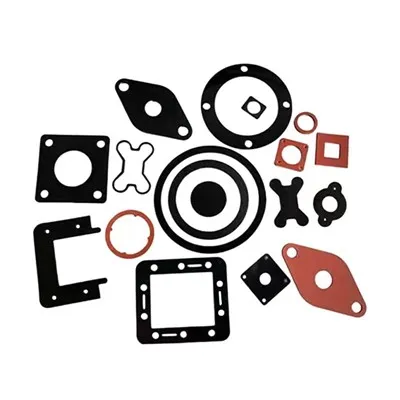
Now, if you’re running an industrial machine and dealing with seal issues—whether it’s leaks, cracks, constant replacements, or high defect rates—let’s talk. I can help you figure out which silicone strip is the right fit for your setup, no pressure, no confusing jargon. Just send over a message about your application, and we can work out the details.
Silicone Household Items References:
- ASTM International. (2022). Standard Specification for Silicone Rubber Compounds for Sealing Applications. ASTM D2000-22.
- Food and Drug Administration. (2021). Guidance for Industry: Food Contact Substances. FDA 21 CFR Part 177.
- Society of Manufacturing Engineers. (2020). Sealing Solutions for Industrial Machinery Maintenance. SME Professional Engineering Report.
- DuPont. (2019). Silicone Materials for Harsh Industrial Environments. Technical Data Sheet, DuPont Performance Silicones.
Dongguan Hengyue New Material Technology Co., Ltd.
As one of the most professional silicone sealing strip manufacturers and suppliers in China, we also support customized service. We warmly welcome you to wholesale bulk cheap silicone sealing strip from our factory. If you have any enquiry about quotation and free sample, please feel free to email us.
Address: Building 2, No. 3, Yindou Third Road, Qingxi Town, Dongguan City, Guangdong Province
E-mail: dghengyue@126.com
WebSite: https://www.hengyuesilicone.com/
