If you have ever stared at a grocery store shelf, comparing two identical-looking jars of jam or a pair of seemingly identical wireless earbuds, you have interacted with product specifications. As a product specification supplier, I spend most of my workdays talking to brand managers, packaging designers, and supply chain leads about these often-overlooked details. I can’t tell you how many times I’ve heard, “Specs are just fine print—who actually reads that?” Then, six months later, the same person calls, panicking because their new packaging got rejected at customs, or a retailer pulled their shipment because the box didn’t meet stacking load requirements, or customers started returning products because the “waterproof” phone case stopped working after one rain shower. That’s when the importance of product specifications in packaging stops being a theory and becomes a very expensive, urgent problem. Product Specification
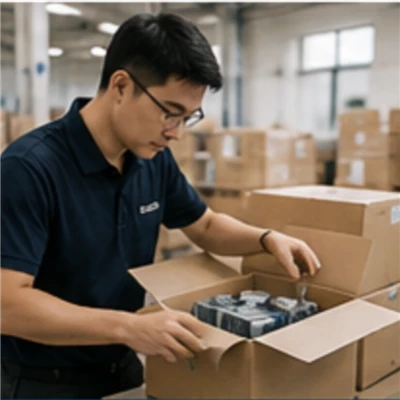
Let’s start with the basics: product specifications (or product specs, as most industry folks call them) are the set of standardized, measurable details that define every part of a product and its packaging. They aren’t just random numbers—they include everything from the material thickness of a corrugated shipping box to the exact ink formula on a retail package, the weight of the finished product-and-packaging unit, and even the temperature range the packaging can protect the product in. When I first started in this industry 12 years ago, I thought specs were just for engineers checking boxes. Today, I know they are the backbone of every part of a product’s lifecycle, from design to disposal. Let’s break down why that matters so much for packaging specifically, because that’s the focus here.
First, product specs eliminate costly and time-consuming miscommunication throughout the supply chain. I once worked with a small craft coffee brand that came to me after their entire first shipment of cold brew cans was ruined. The brand’s designer had specified a “matte, grease-resistant” label for their cans, but they only told their label printer “something that repels coffee oil.” The printer used a standard matte vinyl that worked for shipping envelopes, not for a product that sits in a refrigerator next to moist produce and gets sticky when spilled. The result? 10,000 cans were scrapped, the brand missed their launch window, and they lost a $50,000 contract with a local retail chain. When we dug into it, the core issue was that no clear, measurable specs had been shared between the brand, the designer, and the printer. “Grease-resistant” isn’t a spec—it’s a vague description that means 10 different things to 10 different people. A proper spec would have included the surface tension rating required for the label, the weight threshold for the adhesive, and the maximum temperature the label would be exposed to (38°F for refrigerators, for context). That one detail would have saved the brand thousands of dollars and months of delay.
This kind of miscommunication isn’t just for small brands. Last year, a large electronics client of ours had a custom shipping crate for their new portable speaker. Their packaging team specified “heavy-duty wood” for the crate, but their manufacturing partner used pine instead of the required birch plywood. The pine crate cracked during shipping, damaging 12% of the speakers. The root problem? No spec defined the wood grade, thickness, or bending strength required for the crate. Supply chain delays and product damage are two of the top three costs that e-commerce and retail brands face annually, according to a 2023 report from the Consumer Brands Association. And almost all of those costs can be traced back to ambiguous or missing specs in packaging. As a product spec supplier, our job is to turn those vague ideas into precise, enforceable details that every partner in the supply chain can understand. It’s like translating a product’s vision into a language that every factory, printer, and shipping carrier speaks.
Next, product specs ensure regulatory compliance—something that can make or break a product’s ability to reach market. I can’t tell you how many times a client has called me in a panic a week before a product launch, saying their packaging got stuck at the border because it didn’t meet FDA requirements, or it lacked the proper labeling for recyclability per EU regulations. For example, in the U.S., the FDA has strict rules for packaging that comes into contact with food: the plastic can’t leach harmful chemicals, the ink on the package can’t transfer to the food, and the packaging must be labeled with specific contact surface details. In the EU, the Packaging and Packaging Waste Directive requires brands to list the exact materials used in packaging, including recyclability codes, and meet strict limits on heavy metals in packaging components.
A few years ago, we worked with a snack brand that wanted to launch their new line of plant-based protein bars in the U.S. and the EU. Their initial packaging design used a compostable plastic wrapper that seemed eco-friendly, but when we dug into the specs, we found the wrapper contained a small amount of polyethylene (a non-compostable plastic) to improve its seal. The FDA allows that for U.S. products, but the EU’s compostable packaging standards (EN 13432) ban any non-compostable additives above a 0.1% threshold. The brand was 10 days away from a major trade show, and retooling the wrapper would have cost them $75,000 in rush fees and material changes. We adjusted the spec to use a 100% compostable sealant that met both standards, and the brand launched on time. This is why specs aren’t just internal documents—they are legal requirements. Without accurate, up-to-date packaging specs, brands risk fines, product seizures, and permanent damage to their reputation. The EPA reports that U.S. companies lose an average of $1.2 million annually in packaging-related regulatory penalties, and most of those cases stem from missing or incorrect material specs.
Another critical role of product specs is reducing e-commerce returns and improving customer trust. E-commerce returns have been a growing crisis for years: the National Retail Federation reports that returns hit $816 billion in 2022 in the U.S. alone, with 20-30% of all online purchases being returned. A huge portion of those returns are packaging-related: a product that doesn’t fit through a mailbox, a package that looks fragile but isn’t, or a product that’s damaged because the packaging didn’t protect it during shipping. All of these issues tie back to specs. For example, a clothing brand we worked with had a line of oversized sweaters that came in small, non-expandable poly mailers. Customers kept returning the sweaters because the mailers ripped during delivery, leaving holes in the fabric. The brand thought they just needed “stronger mailers,” but when we audited their specs, we found they had never defined the maximum tensile strength required for the mailers, or the burst strength needed to accommodate 3XL and 4XL clothing. We adjusted the specs to require a 120-pound tensile strength and a 1500-micron thickness for mailers over 24 inches, and ripped mailer returns dropped by 42% within three months.
Even beyond functional returns, specs help build trust with customers. Have you ever bought a product that said “waterproof” on the packaging, only to have it stop working after one use? That’s a failure in the spec. When a packaging spec clearly defines “waterproof” as IP67-rated (meaning it can be submerged in 1 meter of water for 30 minutes), customers know exactly what to expect. A 2023 NielsenIQ study found that 68% of consumers are more likely to buy a product with clear, measurable specs listed on its packaging, because it reduces uncertainty. Brands used to hide specs in small print, but now they’re putting key details on the front of packages: “this box fits up to a 15-inch laptop,” “this packaging is 100% recyclable,” “this bottle is leak-proof for travel.” Those details are just specs, and they directly drive sales.
Wait, but what about sustainability? That’s a huge topic right now, and a lot of brands say they care about eco-friendly packaging but don’t follow through. Product specs are the only way to turn “sustainable” from a marketing buzzword into a real action. A few years ago, a major beauty brand came to us saying they wanted to switch to 100% recyclable packaging for their entire line. They had a vague goal, but no way to measure it. We helped them set specs that defined “recyclable” as “accepted by 90% of curbside recycling programs in the U.S. and EU,” and “made from 80% post-consumer recycled content (PCR) with no virgin plastic additives.” Before that, the brand was using packaging made of mixed plastic types, which are almost never recycled. By setting clear specs, they were able to switch their entire line without disrupting production, and they cut their packaging carbon footprint by 35% in one year. The Carbon Trust reports that brands with formal, measurable sustainability specs for packaging reduce their overall packaging-related emissions by an average of 28%, compared to brands that rely on vague “green” claims. That’s not a guess—that’s a number from actual, measurable specs.
I’ve heard some industry people say that specs stifle creativity, that they make packaging look generic. But that’s the opposite of the truth. Without specs, creativity can’t be scaled. If a brand has a great packaging design that works for a small test run, but they can’t turn that design into a spec, they can’t mass-produce it. I worked with a startup that designed a beautiful, embossed paper box for their organic skincare line. The emboss was exactly what made their packaging stand out on the shelf, but their first batch of boxes came with uneven emboss lines because the printer didn’t know the exact pressure and depth required. Once we added a spec that specified the emboss depth would be 0.5mm, with a pressure tolerance of +/- 0.1 tons, every subsequent batch matched the original design. The startup went on to be carried in Sephora, and sales grew 300% in the first year. That creativity wouldn’t have been possible without a clear spec to translate the designer’s vision into a producible, consistent product.
So, let’s circle back to the original question: what is the importance of product specifications in product packaging? It’s not just fine print, it’s not a bureaucratic exercise, and it’s not something that only engineers care about. It’s the layer that connects a brand’s vision to the supply chain, ensures regulatory compliance, cuts costly mistakes, reduces returns, builds customer trust, and turns sustainability claims into real action. As a product specification supplier, I’ve seen firsthand what happens when specs are missing or vague: brands lose money, miss launch windows, damage their reputation. And I’ve seen what happens when specs are clear, precise, and well-crafted: brands launch on time, save money, grow sales, and do what they set out to do—make a product that customers love.

If you’re a brand leader, packaging designer, or supply chain manager who has ever dealt with packaging delays, product damage, or vague specs that caused problems, we can help you turn that around. Contact us to discuss your packaging spec needs, whether you’re launching a new product, reworking your packaging for sustainability, or fixing issues with your current supply chain.
Certification and Compliance References
Consumer Brands Association. (2023). Supply Chain Cost Drivers in CPG.
National Retail Federation. (2022). Annual Retail Returns Report.
NielsenIQ. (2023). Consumer Trust in Product Packaging Claims.
U.S. Environmental Protection Agency. (2022). Packaging Regulatory Compliance Costs for U.S. Businesses.
The Carbon Trust. (2023). Sustainability Specs and Packaging Emissions Reduction.
Verittek Standards Co., Ltd.
As a professional product specification service provider in China, we help clients improve overall product quality and stability by providing third-party inspection services. If you have any enquiry about cooperation, please feel free to email us.
Address: Room 1002, Building 1, Tian’an Industrial Building, Panyu Energy Saving Technology Park, No.555 North Panyu Avenue, Donghuan Street, Panyu District, Guangzhou City, China.
E-mail: sales@verittek.com
WebSite: https://www.verittek.com/
