If you’ve ever spent 10 minutes untangling a spiderweb of exposed wires behind an old TV or panicked because a frayed power cord nearly touched a space heater, you already know how much of a hassle bad wiring is. Now imagine that same messy, dangerous setup in a new apartment, a commercial warehouse, or even a hospital operating room. That’s where electrical conduits come in—they’re not just random plastic or metal tubes hiding wires, they’re the unsung heroes of every safe, functional building I’ve ever worked with as an electrical accessories supplier. Let me break down what they actually do, why they matter way more than most people think, and why you shouldn’t skip them the next time you’re wiring a space. Electrical Accessories
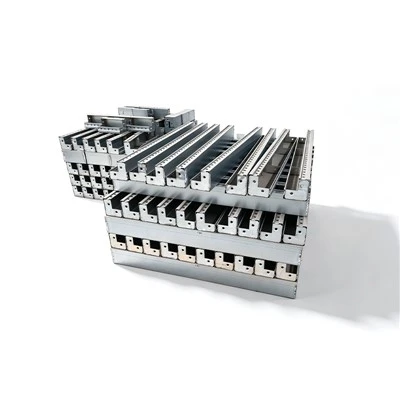
First off, let’s get one thing straight: a lot of folks mix up conduits with just “covering wires,” but it’s way deeper than that. I’ve had so many contractors reach out to me saying “can’t we just run these wires along the wall and call it done?” and I get it—cutting corners feels fast in the short term. But here’s the truth: conduits are your wires’ entire support system, protection plan, and organization tool all rolled into one. Let’s start with the most obvious job: physical protection. Wires are flimsy little things, right? If you run them exposed in a basement that floods every spring, or in a garage where someone’s always moving ladders or dragging tools, those wires will get chewed up, nicked, or snapped before you know it. Even in a nice finished wall, drywall dust, paint fumes, and everyday wear and tear can eat away at wire insulation over time. Conduits block all that.
Wait, and it’s not just about accidental damage. Think about industrial spaces—factories where there’s heavy machinery vibrating nonstop, or chemical plants where fumes and corrosive liquids are everywhere. Exposed wires there would be a disaster waiting to happen. I supplied conduits for a food processing plant last year, for example. The place had constant washdowns with high-pressure water and cleaning chemicals, and the conduits we sent were rated for that exact use. They kept the wires completely sealed, no water got in, and no cleaning solution ate through the insulation. Without that, the plant would have had to shut down production every few months to rewire areas, which would have cost them way more than the small cost of the conduits themselves.
Another big one: fire safety. No one wants to think about electrical fires, but they’re way more common than you’d guess. Exposed wires can spark if they short out, and if they’re near flammable materials like wood, fabric, or insulation, that’s a recipe for disaster. Conduits, especially the metal or fire-rated plastic ones we supply, are designed to contain sparks and flames if a wire does go bad. I remember a small café owner who called me a couple of years ago panicking because their old exposed wiring sparked and singed a curtain. They hadn’t used conduits because they thought it would make their walls look messy, but after that scare, they ripped out all the old wiring and installed PVC fire-rated conduits. Turns out, not only did it fix the fire hazard, but the conduits matched their wall color so well no one even noticed they were there. Win-win.
Then there’s organization and accessibility. I can’t tell you how many times I’ve been called out to a job site where someone ran 5 different wires all tangled together without anything to keep them separate. If you ever need to upgrade a wire, or fix a short, or add a new line for a smart outlet, good luck picking out the right one in that mess. Conduits keep all wires grouped neatly, separated by voltage if you need that, and easy to pull in and out later. I always tell my customers—whether it’s a DIYer doing a small bedroom reno or an electrician wiring a whole mall—investing in a simple conduit system saves you hours of headache down the line. Last quarter, we supplied conduits for a residential development where each unit had a separate conduit for lighting, power, and internet. When the developer came back to rewire a few units for smart thermostats, they didn’t have to tear open walls to find extra space—they just pulled a new wire through the existing conduits. That’s the kind of practicality that people don’t realize until they skip the conduit and pay for it later.
Wait, and let’s not forget about different environments. Conduits aren’t one-size-fits-all, which is why we have so many options in our electrical accessories line. For outdoor use, like running wires from a house to a shed or a outdoor lighting setup, you need conduits that can handle UV rays from the sun, freezing temperatures in winter, and rain. PVC conduits are perfect for that—they’re cheap, lightweight, and weather-resistant. For heavy industrial or commercial use, galvanized steel conduits are the way to go—they’re tough, they can handle impacts, and they even offer a little extra protection against electrical interference, which is a big deal for spaces with lots of machinery that creates electromagnetic noise. For wet areas, like bathrooms or basements, we have liquid-tight conduits that are fully sealed to keep water out, so you don’t have to worry about a shower leak ruining your wiring. I once had a customer install regular PVC conduits in their basement bathroom and within a year, moisture had seeped in and caused a short. They swapped to our liquid-tight ones, and haven’t had an issue since. That’s the value of picking the right conduit for the job—we help customers figure that out all the time, it’s part of the service.
Another thing a lot of people don’t talk about: code compliance. Electrical codes aren’t just random rules—they’re designed to keep people safe, and almost every building code requires conduits for wiring in certain spaces. If you skip them and get audited, you’re looking at costly rework, and that’s the last thing anyone wants when they’re building or renovating. I’ve had a few contractors come to me after getting a notice from their city that their wiring didn’t meet code, and they had to go out and install conduits to fix it. It’s way cheaper to get it right the first time than to redo everything because you cut a corner. That’s one of the biggest uses of conduits that flies under the radar—they’re your ticket to staying on the right side of electrical safety codes.
Now, let’s address the elephant in the room: do you really need conduits for every job? Short answer, almost always. Even small DIY projects, like running wires for a new light fixture in your garage, benefit from a conduit. It’s not just about safety—it’s about longevity. Wires that are exposed tend to degrade faster, so a setup with conduits will last way longer than one without. I’ve seen old buildings that are 50+ years old with original wiring still inside metal conduits, and it’s working perfectly fine. Compare that to a rental I lived in a few years ago where the wiring was all exposed, and I had to have an electrician come out twice a year to fix shorts. That’s the kind of ongoing cost that conduits eliminate.
Wait, and what about flexible conduits? We stock those too, for spaces where you need a little give—like running wires around pipes or in tight corners. They’re not as rigid as the standard PVC or metal conduits, but they’re just as protective. I supplied flexible conduits for a office renovation where we had to run wires around ductwork and in narrow ceiling spaces, and they made the job so much easier. Electricians love them because they don’t have to bend rigid conduits into weird shapes, which saves time and reduces the chance of nicking the wire insulation while installing.
Let me wrap this up with a real example that sticks with me. A few years back, we worked on a small medical clinic that was updating its exam rooms. The original wiring had no conduits, and after 20 years, the insulation was brittle from constant temperature changes and dust. The clinic had to close for 3 days to rewire all 8 exam rooms, which cost them thousands in lost revenue. They told us later that if they’d installed conduits the first time, the rewire would have taken a few hours and cost a fraction of the money. That’s the takeaway here: conduits aren’t an extra expense, they’re an investment. They protect your wiring, keep you safe, save you time and money down the line, and make future repairs or upgrades way easier.
If you’re planning any wiring project—whether it’s a small home upgrade, a commercial build, industrial setup, or anything in between—don’t skip the conduits. We have all the types you need: PVC for general use, galvanized steel for heavy duty, liquid-tight for wet areas, flexible for tight spaces, fire-rated for extra safety, whatever your project calls for. As an electrical accessories supplier, we help customers pick the right product for their specific needs, no matter how big or small the job is.

If you’re tired of dealing with messy, unsafe wiring or want to make sure your next project is done right, reach out to us to discuss your conduit and electrical accessory needs. We’re here to answer questions, help you choose the right products, and make sure your wiring is safe, compliant, and built to last. Don’t wait until you’re dealing with a short, a fire hazard, or a costly rework—plan ahead with conduits today.
Seismic Bracing References:
National Electrical Code Handbook, 2023 Edition
Electrical Conduit and Fitting Installation Guide, National Fire Protection Association
Industrial Wiring Safety Standards, Occupational Safety and Health Administration (OSHA)
Langfang Zhuori Metal Products Co., Ltd.
As one of the most professional electrical accessories manufacturers and suppliers in China, we also support customized service. Please feel free to wholesale high quality electrical accessories in stock here from our factory. Welcome to contact us for quotation.
Address: East of Dongdai Village, Xinzhen Town, Wen’an County, Langfang City, Hebei Province
E-mail: 19568469150@163.com
WebSite: https://www.zhuorimetal.com/
