Hey there, let’s talk about something that matters a lot if you’re running a busbar machine shop, or if you’re on the hunt for equipment that won’t break the bank (or your schedule) a year from now. I’m not some corporate suit spouting jargon— I’m the guy who’s been selling, troubleshooting, and babying busbar machines for over a decade, so I’ve seen exactly what kills these workhorses fast, and what actually makes them last. Most folks think a busbar machine’s lifespan is just a number the manufacturer prints on the spec sheet. Nah, that’s the “best case” number, like when they test it in a climate-controlled room with brand-new copper every day. Your actual machine lifespan? That’s 100% up to how you treat it. Let’s break down the stuff that makes machines die prematurely, and the small, doable moves to stretch that lifespan by years—no fancy tricks, just real, actionable stuff I’ve tested on hundreds of machines I’ve delivered. Busbar Machine

First, let’s get one myth out of the way: buying a cheap busbar machine isn’t a long-term win. Wait, before you yell—look, I get it, every shop’s got a budget. But I’ve seen guys drop $12k on a “discount” bending machine that crapped out after 18 months, vs. a $15k machine from my line that’s still running 8 hours a day, 6 days a week, 5 years later. The difference isn’t the metal frame (both are steel) — it’s the small design choices: like how the lubrication system works, or the pressure settings that prevent overloading. But even a great machine will die fast if you mess up the basics. Let’s start with the big one: daily care, not just “when it breaks.”
I know, I know—your guys are busy. The last thing you want to do is spend 15 minutes every morning wiping down a machine before cranking it out. But let’s be real: busbar work is messy. Copper shavings, metal dust, tiny bits of aluminum or tin plating? That stuff gets everywhere. If you leave it caked in the guide rails or around the cutting die, it’s like sandpaper rubbing those parts every single cycle. I had a customer last year, a small electrical contractor in Ohio, who skipped cleaning for 8 months. His machine’s cutting blade got so gummed up with copper dust that it stopped cutting straight, so he cranked up the hydraulic pressure to compensate. That extra pressure blew a hydraulic seal, and by the time he called me, the guide rail was scored so bad he had to replace the whole head—cost him $3,500. If he’d just wiped it down with a rag and a little lubricant every morning? That $5 rag would’ve saved him $3k and a week of downtime.
Here’s the easy routine I push for every customer: 5 minutes a day, tops. First, blow off the top and sides of the machine with compressed air (not too close—you don’t want to blow dust into the motor vents). Then, take a shop rag and wipe down the guide rails, the cutting edges, and the pressure die area. Once a week (10 minutes), apply a light coat of anti-seize or machine oil to the guide rails—nothing thick, that just attracts more dust. And for the love of all things shiny, don’t let shavings pile up in the drain tray at the bottom. I had another guy who forgot that, and the copper shavings rusted into the tray, then corroded the hydraulic line that runs along it. Total replacement for the line and a flush of the system? $1,200. Save the 10 minutes, skip the bill.
Next up: stop overloading the machine. This is the #1 mistake I see all the time. New operators, or even long-time ones who are in a rush, will cram a 10mm thick copper busbar through a machine rated for 8mm, or run a 50mm wide bar when it’s only meant for 35mm. Why? Because they think “more work = more money, so let’s push it.” Newsflash: that’s how you wear out the bearings, bend the hydraulic cylinder, or crack the frame. Let me explain how busbar machines work, quick: they use hydraulic pressure to bend, cut, or punch the bar. If you exceed the max load rating, the pressure spikes way higher than the machine was designed for. Every time that happens, it’s like taking a sledgehammer to the internal parts. I once watched a guy try to bend a 12mm bar on an 8mm rated machine; the frame actually twisted so bad the control panel fell off. That machine was done. No repair, just scrap.
How to fix this? First, make sure every operator knows the exact specs of your machine—post a big sign right by the control panel that says “Max Bar Thickness: X, Max Bar Width: Y, Max Punch Size: Z” so no one can say they didn’t know. Second, teach them to check the bar before loading. If you’ve got a bulk order of bars that are slightly thicker than your usual, don’t force it—either use a machine with a higher rating, or split the job. And if you’re a shop that handles a lot of different bar sizes? Invest in a machine with adjustable pressure limits. My line of busbar machines lets you set a maximum pressure on the control panel, so if someone tries to push it past the safe point, it just shuts off instead of breaking. Small feature, but it’s saved so many customers from headaches.
Then there’s hydraulic fluid—most people ignore this until the machine starts sputtering. Hydraulic fluid is the blood of your busbar machine. If it’s old, dirty, or the wrong type, every cycle gets harder, the parts wear faster, and you’re looking at a $2k flush and filter change before you know it. The rule here is simple: change the fluid and filter every 2,000 hours of use. That’s not a guess— that’s what the manufacturers spec, and what I’ve tested on my own machines. But here’s the catch: don’t just buy any old hydraulic fluid. Use the type listed in your manual. Most machines need anti-wear hydraulic fluid, not regular gear oil. Gear oil is thicker, it doesn’t lubricate the pump and cylinders as well, and it causes more friction. I had a customer in Texas who used the wrong fluid because it was cheaper; his pump seized up after 10 months. Replacing a busbar machine’s pump isn’t cheap—it’s almost a third of the cost of a new mid-range machine. Don’t cut corners here. Also, when you change the fluid, don’t just dump the new stuff in. Make sure you drain the old fluid completely, and change the filter too. Even a tiny bit of old, dirty fluid left in the system will contaminate the new stuff.
Another thing: temperature control. Busbar machines don’t like extreme heat or cold, especially if they’re running 24/7. If your shop is in a garage with no AC, or a unheated space in the winter, the fluid gets too hot or too thick, which messes with the pressure and wears the parts. I know, a lot of small shops don’t have climate control, so here’s the workaround: if it’s over 90°F, make sure the machine’s fan is working (most have built-in fans, but check it monthly) and don’t run it non-stop for 12 hours straight—give it a 10-minute break every 4 hours. In the winter, if it’s below 40°F, let the machine warm up for 15 minutes before using it. Letting it idle for 10 minutes to let the fluid circulate isn’t a waste of time—it’s saving the pump. I’ve seen a machine that ran straight in a 35°F shop for 3 months; the fluid got so thick it cracked the hydraulic line. Total repair cost? $1,800. Again, small steps, big savings.
Wait, what about the die sets? Most people buy the cheap, generic dies that come with the machine, and when they get dull, they just sharpen them at home or keep using them until they break. Bad idea. Dull cutting or bending dies don’t just give bad cuts—they add extra stress to the machine. A dull cutting die has to push harder to slice through the copper, which spikes hydraulic pressure, wears the blade, and strains the machine’s frame. When you should replace dies? For cutting dies, if the edge is chipped or you have to push the machine extra hard to cut through a standard bar, it’s time. For bending dies, if the bend is irregular or you get cracks in the copper, that’s a sign the die is worn. And don’t get the ultra-cheap dies that don’t match your machine. My dies are made from high-grade steel, heat-treated to last longer than generic ones, and they fit perfectly, so you get a clean cut without extra strain. I tell customers: replace your dies every 10,000 cycles, or when they show signs of wear, and it’ll extend your machine’s life by 2 years easy.
Now, what about when you’re not using the machine? A lot of shops turn off the main power, but leave the machine sitting for weeks or months. That’s a mistake. Even if it’s not running, it’s sitting in your shop, collecting dust, maybe getting rained on if it’s in an open bay (hey, I’ve seen that). If you’re not using it for more than a week, do two things: first, cover it with a heavy-duty plastic cover (not a flimsy trash bag—those tear easily and let dust in). Second, run it through a full “dry cycle” once a week. That means turning it on, letting it cycle through a full cut, bend, punch sequence without any bar in it, to move the hydraulic fluid around and keep the seals lubricated. Seals dry out when they’re not moving, right? And dried-out seals leak, which leads to more fluid issues. I had a customer who stored his machine for 6 months because his shop was moving; he didn’t run it once. When he fired it up, the seals were all cracked, and he had to replace four of them. Cost him $800, plus downtime. 5 minutes a week, no big deal.
Let’s be real, sometimes stuff breaks. No machine is perfect, even the best ones. The difference between a machine that lasts 5 years and one that lasts 15 is how you fix those small problems before they become big ones. Don’t wait until the machine is dead to call a technician. If you notice a slight leak, or the bend is a little off, or the motor is making a different noise than usual, call someone right away. Most small issues are easy and cheap to fix if you catch them early, but if you ignore them, they turn into $5k repairs. I’ve had customers who called me when their machine was showing a tiny hydraulic leak, and it was a $10 O-ring. If they’d waited a month, that leak would’ve messed up the whole system, costing $2k. Don’t be that guy.
Wait, let’s circle back to something I said earlier: buying the right machine in the first place. A lot of shops try to save money by getting a machine that’s too small for their needs, or from a no-name supplier who doesn’t offer support. Let me tell you, my customers who buy my busbar machines don’t just get a piece of equipment—they get a supplier who’s here for 10 years after the sale. I’ll come out to your shop (or walk you through a video call) to set up the machine, train your operators, and answer questions whenever you have them. The no-name suppliers? You call them with a problem, and you get a generic email back a week later, if you hear anything at all. And guess what? A good machine paired with good care will last so much longer than a cheap machine you have to replace every 2 years.
So putting this all together: the lifespan of your busbar machine isn’t determined by the factory. It’s determined by 5 things: daily cleaning, not overloading, proper hydraulic care, temperature control, and fixing small issues fast. Do these things, and you can easily get 10-15 years out of a machine that’s running like new, not 3-5 years like the average shop gets. I’ve got a machine I sold in 2008 that’s still in use at a utility company in Chicago—they do big, heavy jobs every day, and they follow this exact routine. It’s still going strong, no major repairs. That’s the kind of track record you want for your equipment.
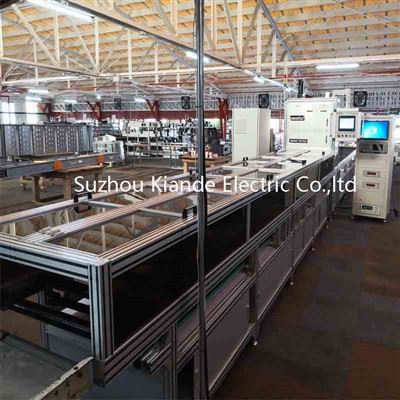
If you’re tired of machines that break down every few months, or if you’re in the market for a new busbar machine that’s built to last, let’s talk. I can walk you through the best options for your shop, answer any questions you have about care and maintenance, and make sure you get a machine that fits your needs without the hidden costs. You don’t have to waste money on cheap equipment, and you don’t have to stress about breakdowns cutting into your business. Drop me a line, and let’s find the right solution for you. Every shop deserves a reliable machine that works as hard as you do.
Busbar Assembly Machine References:
- Industrial Machine Maintenance: Best Practices for Extending Equipment Lifespan, National Institute for Occupational Safety and Health, 2022
- Busbar Processing Equipment Specifications and Performance Standards, International Electrical Manufacturers Association, 2021
- Hydraulic System Maintenance Guidelines for Industrial Machinery, Fluid Power Society, 2020
- Small Shop Equipment Care: Optimizing Long-Term Functionality, Small Business Administration, 2023
Suzhou Kiande Electric Co., Ltd.
Suzhou Kiande Electric Co., Ltd. is one of the most professional busbar machine manufacturers and suppliers in China, also supports custom service and OEM&ODM service. Welcome to buy durable busbar machine made in China here and get quotation from our factory. Quality products and reasonable price are available.
Address: No.123, Suzhou Avenue East, Suzhou Industrial Park Suzhou, Jiangsu 215000 China
E-mail: saleswmkc@kiande.cn
WebSite: https://www.busbarcncmachine.com/
