If you’ve ever stared at a stack of uniform, hard-wearing plastic bucket crates at a grocery store, a warehouse, or a farm supply shop, you might’ve wondered how those identical, sturdy pieces get made. As a supplier of plastic bucket crate injection molding machines, I get asked that question all the time—and most people’s first guess is about the plastic resin, the molds, or the cooling systems. But the unsung hero that makes every step of the process smooth, precise, and reliable is the hydraulic system. Over 15 years of building, servicing, and troubleshooting these machines, I’ve seen firsthand how a well-designed hydraulic system turns raw plastic pellets into crates that can hold 20 gallons of liquid, survive being stacked 10 high, and stand up to years of rough handling. Let me break down exactly what that role looks like, why it matters, and why skimping on hydraulic components is the fastest way to cut corners on crate quality. Plastic Bucket Crate Injection Molding Machine

First, let’s start with the basics of how an injection molding machine works, because you can’t understand the hydraulic system’s role without context. The whole process is a cycle: load plastic resin pellets into a heated barrel, melt them into a smooth, viscous liquid (like thick honey), inject that molten plastic under extreme pressure into a mold shaped like the bucket crate, hold that pressure until the plastic cools and hardens, then open the mold, eject the finished crate, and close it all back up to start over. Every single one of these steps depends on controlled, powerful motion—and that’s where hydraulics come in. Unlike electric systems, which struggle with the combination of high force and precise timing needed for this process, hydraulic systems use pressurized oil to deliver consistent, adjustable force across every stage of the cycle.
Let’s walk through each step of the production cycle to see the hydraulic system in action, starting with mold clamping. The most critical part of injection molding for crates is the clamp unit. If the mold isn’t held shut with enough force when you inject molten plastic, the pressure inside the mold will push the two mold halves apart, leaving flash—thin, unwanted plastic excess along the edges of the crate. That flash isn’t just an aesthetic flaw; it’s a structural weakness. For a crate meant to haul 50 pounds of bucketed water or produce, that flash spot is where it’ll crack under stress. A good crate needs a clamp force of 100 to 150 tons, depending on the crate size, and that’s exactly what hydraulics deliver. The clamp cylinder pushes the moving mold half toward the stationary half with constant, adjustable pressure; if the hydraulic pressure drops even slightly during injection, flash forms. I’ve seen machines with cheaper, under-sized hydraulic systems that only generate 80 tons of clamp force for a 120-ton crate, and the first time the operator runs a full production batch, they end up with hundreds of crates that need trimming—wasting resin, time, and labor.
Next up is the injection phase itself, where the hydraulic system controls two key parts: the screw that melts and injects the plastic, and the back pressure that ensures the melt is uniform. The screw is inside the heated barrel, rotating as it melts the resin and builds up a reservoir of molten plastic at the front of the barrel. As it does that, hydraulic pressure applies back pressure to the screw, which forces any trapped air out of the melt and ensures the plastic is dense and consistent. For bucket crates, consistency is everything—one spot with air bubbles in the plastic will turn into a weak spot that breaks when stacking. Then, when it’s time to inject, the hydraulic system drives the screw forward at a precise speed and with the exact pressure needed to fill the mold. Too fast, and the plastic will shear, creating uneven walls; too slow, and the plastic will cool before it’s filled every corner of the mold, leaving gaps that make the crate structurally unsound. The hydraulic system lets operators fine-tune both injection speed and pressure, down to the millisecond, to match the exact design of the crate. For example, a crate with reinforced corners will need higher pressure in those areas to ensure the plastic flows all the way to the edge, while the flat sides can run at a slightly lower pressure to avoid warping.
After injection, the hold pressure phase is where the hydraulic system’s precision really pays off. When you first inject the molten plastic into the mold, it’s at full volume, but as it cools, it shrinks a little. That’s why you need to hold pressure on the screw for the first several seconds of cooling—more molten plastic is pushed into the mold to fill in the gaps left by shrinkage. If the hydraulic hold pressure is too high, you’ll overpack the mold, making the crate too rigid, heavy, and wasteful of resin. If it’s too low, you’ll get short shots (incomplete crates) or weak walls that can’t hold weight. I once worked with a small farm supply company that switched to a cheap injection molding machine because it was $20,000 cheaper, and within three months, they were throwing away 15% of their crates due to hold pressure issues. Their hydraulic system couldn’t maintain a steady pressure for the full hold time, so shrinkage left gaps in the crate’s base, which collapsed when they tried to load 10 crates at once. They ended up buying two of our machines within six months, specifically for the upgraded hydraulic system that delivers consistent hold pressure cycle after cycle.
Once the plastic has cooled and hardened—usually 15 to 30 seconds, depending on crate size—the hydraulic system controls the mold opening and ejection. The clamp cylinder retracts, pulling the moving mold half away from the stationary one. Then, hydraulic cylinders drive ejection pins inside the mold, pushing the finished crate out onto a conveyor or a collecting tray. The speed here matters too: eject the crate too fast, and it’ll bounce or get damaged; too slow, and you’re reducing production output (which, for a factory running 24/7, can add up to thousands of crates lost per week). A responsive hydraulic system adjusts ejection speed based on the crate’s size and material, so you can run high volumes without damaging parts.
Beyond the individual cycle steps, the hydraulic system also supports the machine’s overall efficiency and reliability, which are make-or-break for crate manufacturers. Bucket crates are a high-volume, low-margin product—customers want them cheap, fast, and consistent, so downtime isn’t an option. A good hydraulic system is designed for 24/7 operation, with built-in heat management (hydraulic oil can get too hot during long runs, which reduces pressure consistency and damages seals) and filtration to keep dirt and debris out of the system. Dirt in hydraulic lines is the #1 cause of machine breakdowns, because it scratches cylinders, clogs valves, and causes pressure drops that mess up every cycle. Our machines use closed-loop hydraulic systems with high-efficiency filters and a dedicated cooling system, so even after three months of non-stop running, operators barely notice a drop in performance. Cheaper machines often use open-loop systems without proper cooling, leading to overheating and a breakdown every few weeks—costing manufacturers thousands in lost production.
I’ve also noticed that a lot of new operators (and even some experienced ones) don’t realize how much the hydraulic system affects material choice. Bucket crates are usually made from high-density polyethylene (HDPE) because it’s durable, lightweight, and cheap. HDPE has a specific melting temperature and viscosity, so the injection pressure and speed have to be adjusted to match it. If your hydraulic system can’t adjust pressure on the fly, you might be forced to use a more expensive resin that’s easier to mold, cutting into your profit margins. Our machines let operators tweak every hydraulic parameter—clamp force, injection speed, hold pressure, back pressure—using a user-friendly control panel, so they can adapt to different resin grades, crate designs, or production needs without calling a technician.
Of course, hydraulic systems do require maintenance, just like any other part of the machine—but the right design makes that easy. We train all our customers on basic hydraulic maintenance: changing the oil every 2,000 hours, replacing filters, and checking for leaks. The last thing any manufacturer wants is a hydraulic leak spilling oil on the factory floor, which is a slip hazard and can damage the crates being produced. Our hydraulic lines are made of high-grade, abrasion-resistant hoses and are routed away from moving parts, so leaks are rare and easy to fix when they do happen.
Over the years, we’ve had customers come to us with horror stories about bad hydraulic systems: machines that can’t maintain consistent clamp force, leading to flash; machines that eject crates too hard, breaking them before they even leave the machine; machines that break down mid-batch, ruining a whole production run. Every single time, the root cause was an under-sized, low-quality hydraulic system from a cheap machine. That’s why, as a supplier, we never cut corners on hydraulics. We source our components from reputable manufacturers, design the system to match the exact needs of bucket crate production, and offer full service and support so our customers never have to worry about their hydraulic system letting them down.
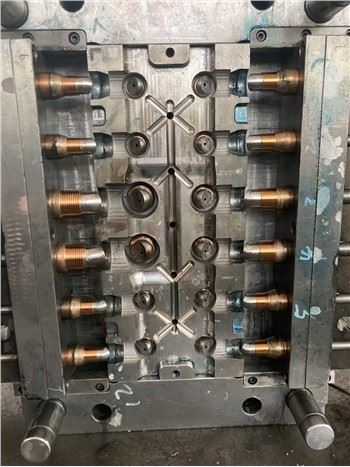
If you’re in the market for a plastic bucket crate injection molding machine, or you’re looking to upgrade your current setup, don’t overlook the hydraulic system. It’s the workhorse that makes every part of the production cycle possible, and a reliable hydraulic system is the difference between producing high-quality crates that customers trust, and dealing with constant breakdowns, wasted material, and unhappy clients. To learn more about how our machines’ hydraulic systems are designed for consistent, high-volume bucket crate production, reach out to our team to arrange a consultation and test run. We’ll walk you through every part of the system, show you how it works for real production, and help you find the right setup for your specific needs.
Auxiliary Machinery References:
Injection Molding Handbook, Rosato, D.V., Rosato, M.G.
Hydraulic Power System Analysis, Merritt, H.E.
Plastics Materials and Processes: A Concise Encyclopedia, Harper, C.A.
Shenzhou Machinery Co., Ltd.
As one of the most professional plastic bucket crate injection molding machine manufacturers and suppliers in China, we’re featured by quality products and good price. Please feel free to buy advanced plastic bucket crate injection molding machine made in China here from our factory. We also accept customized orders.
Address: Fenghuang Town, Zhangjiagang City, Jiangsu Province, P.R.China
E-mail: sale@shenzhoumac.com
WebSite: https://www.shen-zhoumachinery.com/
