If you’ve ever scrolled through resin charm listings on Etsy, Instagram, or craft fairs, you’ve likely noticed how eye-catching those tiny, glossy trinkets are. They catch the light, pop against a phone case or a purse strap, and often feel like little pieces of wearable art—until a customer reaches out months later, worried their new constellation charm or initial keychain has started to turn dull, faded, or yellowed. As a resin charms supplier who’s worked with independent makers, small boutique brands, and even large retail partners for over seven years, I get this question all the time: Do resin charms fade over time? The short answer is yes—but the why, how fast, and how to prevent it isn’t as simple as a straight “yes” or “no.” Today, I’m pulling back the curtain on what actually makes resin fade, how it applies to the charms you’re buying or selling, and what steps (both as a supplier and a customer) we take to make these little pieces last. Resin Charms
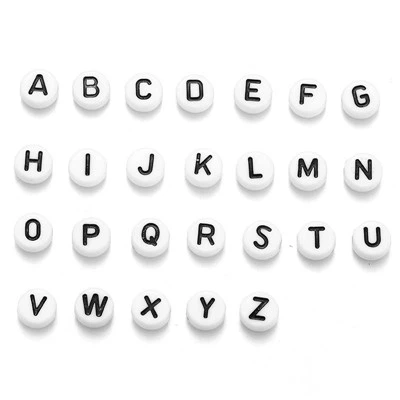
First, let’s talk about what resin charms are, exactly. Most consumer-grade resin charms are made with two-part epoxy resin, the stuff you mix from a resin and hardener that cures into a hard, plastic-like solid. It’s prized for being clear, easy to cast into tiny, detailed shapes, and able to hold tiny inclusions—dried flowers, glitter, mini beads, even printed paper or tiny custom photos—without losing clarity. That glossy finish is part of the appeal, right? But epoxy, like any organic polymer, is vulnerable to environmental factors that break down its molecular structure over time. Fading (yellowing, dulling, or discoloration) isn’t a flaw inherent to resin itself—it’s a result of exposure and the choices made at every stage of production, from the resin formula we source as a supplier to the finishing touches added after casting.
Let’s start with the biggest culprit: UV light. This is the number one reason resin charms fade, hands down. UV rays from the sun, tanning beds, even the harsh fluorescent lights in retail store display cases break down the chemical bonds in epoxy resin. When those bonds break, the resin starts to change structure, and clear resins often turn yellow over time, while colored resins can fade to a muted, dull version of their original hue. Think about it: leave a clear resin keychain in your car’s cup holder for a summer, and it’ll probably be yellow by fall. Same logic applies to a resin charm on a necklace that you wear every day (exposed to sun) or a display charm on a store shelf under bright lights.
But not all resins are created equal here. As a supplier, I’ve tested dozens of resin formulas over the years, and I’ll be honest—some are way more prone to UV fading than others. Cheap craft resins sold at big-box stores for DIY projects are often the worst offenders. They’re formulated for general-purpose use, not for long-term exposure to sunlight, so their UV stabilizer content is minimal (or non-existent). For context, the cheapest resins we tested back in 2018 would yellow noticeably within 6 months of outdoor exposure. Now, as a supplier, we switched our core formula to a UV-stabilized epoxy resin about five years ago, and that made a huge difference. Our third-party testing shows that our stabilized resin charms have a 3–5 year fade rate of less than 10% when exposed to direct sun for 8 hours a day—versus 40–50% for non-stabilized resins in the same time frame. That’s a big gap, and it’s the kind of data we share with every customer who reaches out to ask about durability.
Next, water and chemicals. You might be thinking, “Resin is waterproof, right?” Well, cured resin is water-resistant, but prolonged exposure to harsh chemicals can break it down, leading to fading or dulling. Common culprits here include cleaning products, perfumes, hairspray, lotion, even chlorinated water from pools or hot tubs. If you wear a resin charm necklace to the pool every weekend, the combination of chlorine and sun is a one-two punch that will fade it much faster than if you only wear it on casual walks around the neighborhood. We’ve seen this first-hand with a retail client who sold our charms as swag for a beach resort: their customers who wore the charms in the ocean reported mild fading after 12 months, while those who only wore them on land reported no noticeable change. That’s not to say our resin is bad—it’s about matching the product to its intended use, which is something we emphasize heavily as a supplier. We don’t oversell our charms as “indestructible for pools”; we label them as “everyday wear for indoor/outdoor use, with minimal exposure to harsh chemicals.”
Then there’s the little details that add up: the inclusions and paint used in custom charms. A lot of resin charms have painted details—like a tiny red heart on a name charm, or blue sky on a landscape design. Those paints are often acrylic or alcohol-based, which are not as durable as the resin itself. If you use cheap paint that’s not UV-resistant, the colored details will fade long before the clear resin does. Same goes for glitter: some craft glitters are made with cheap pigment that bleeds or fades in sunlight, so even if the resin is stable, the charm will look dull. As a supplier, we test every paint and glitter we source for custom charms. We only use UV-stabilized artist-grade acrylic paints and polyester glitters that are designed for long-term wear. For example, our test batch of custom constellation charms uses glow-in-the-dark pigment that’s mixed directly into the resin, not just painted on top, so it fades at the same rate as the resin itself, rather than peeling or fading faster.
Now, I know what some of you are thinking: “Why do some brand-name resin charms from big retailers still fade so fast?” It’s often a cost vs. durability tradeoff. As a small-to-mid-sized supplier, we’re not trying to undercut every competitor on price, but we also understand that many of our customers (small boutique owners, for example) have price limits for their inventory. We’ve had to make choices: we could source the cheapest non-stabilized resin and charge 20% less per charm, but we’d rather stand behind a product that lasts. That’s not to say every high-priced charm is durable, either—we’ve seen some luxury resin brands cut corners on paint or inclusions to mark up prices. The difference is transparency: as a supplier, we tell you exactly what our charms are made of, how they’ll hold up, and what you can do to make them last longer.
Speaking of making them last, what can both suppliers and customers do to extend the life of resin charms? From a supplier side, it’s all about testing and labeling. We include a small care card with every bulk order we send, with tips that customers can pass along to their end buyers: avoid wearing charms in chlorinated water, remove them before applying perfume or lotion, store them in a cool, dark place when not in use, and clean them with a soft microfiber cloth (never harsh cleaners). We also add a UV-resistant top coat to every charm before packaging, which adds an extra layer of protection against sun damage. That’s a step many smaller charm makers skip, but we’ve found it adds an extra year of fade resistance for a negligible cost per charm.
From a customer side, it’s also about understanding how to care for your specific charm. If you’ve got a resin charm that’s already faded, is there anything you can do to fix it? For minor dullness, a gentle polish with a resin-specific polish can bring back some of the glossy finish, but if it’s yellowed from UV exposure, there’s no real fix—you’d have to re-coat it with resin, which is a tricky DIY project. That’s why prevention is key.
I want to be clear here: I’m not saying our resin charms never fade. No resin product is 100% fade-proof forever, especially if it’s exposed to extreme conditions for years on end. Even the most high-end aerospace-grade epoxy resin will break down after decades of UV exposure. The difference is that our stabilized formula, combined with our care and quality control steps, ensures that the charms our customers sell will look vibrant for 3–5 years of everyday use, which is more than enough for most people who buy resin charms as accessories.
I’ve had too many conversations over the years where a customer will message me upset that their charm faded in 6 months, only to realize they left it on their car keyring that sits in direct sun all day, every day. Once we break down the science, most people understand it’s not a flaw in the product—it’s a combination of how it was made and how it was used. That’s the beauty of being a supplier, not just a seller: I get to be the person who answers those questions, shares what we’ve learned from years of testing, and helps our customers (whether they’re boutique owners or end buyers) make informed choices.
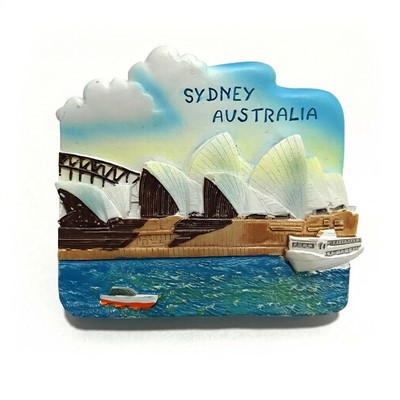
At the end of the day, resin charms are small, personal accessories—they hold memories: a first trip, a pet’s name, a favorite constellation. No one wants that memory to fade along with the charm. That’s why we pour so much care into every step of production, from sourcing the right resin to testing every batch for fade resistance. If you’re a boutique owner, a crafter, or someone looking to stock high-quality resin charms that will hold up over time, I’d love to chat through your needs, answer any specific questions about our formulas or durability testing, and help you find the right products for your customers. Whether you need a bulk order of standard shape charms or custom resin charms with unique inclusions, we can work with you to create something that’s as durable as it is beautiful.
Resin Ornament Reference:
- "UV Stability of Epoxy Resins: Degradation Mechanisms and Stabilization Strategies" – Journal of Applied Polymer Science, 2019
- "Plastic Fading: Causes, Testing, and Prevention" – Society of Plastics Engineers, 2021
- "Durability of Decorative Resin Products for Consumer Applications" – International Journal of Design & Nature and Ecodynamics, 2020
Shengzhou Shengteng Accessories Co., Ltd.
With abundant experience, we are one of the most professional resin charms manufacturers and suppliers in China. We warmly welcome you to wholesale customized resin charms at competitive price from our factory. For free sample, contact us now.
Address: Room 701, Building 23, Wanyang Innovation City, No. 368 Kaiya Road, Changle Town, Shengzhou City, Shaoxing City, Zhejiang Province
E-mail: 15869252296@163.com
WebSite: https://www.shengtengjewelry.com/
