Hey everyone, if you’re a new parent scrolling through baby gear at 2 a.m. (been there, trust me) or a fellow small business owner focused on sustainable choices, today’s post is for you. As a baby furniture supplier, I get so many messages asking: “Are there actually eco-friendly baby furniture options that don’t look like they came from a science lab’s test section?” The short answer is YES—but it means ditching the greenwashing noise and getting real about what actually makes nursery pieces good for babies and the planet. Let’s break this down without the stuffy jargon. Baby Furniture
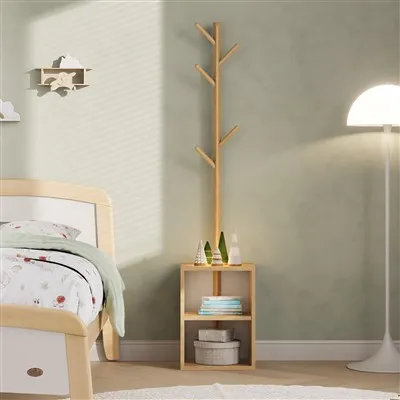
First, let’s kill a myth right out the gate: eco-friendly baby furniture isn’t just “painted wood with a plant sticker.” Most of the “non-toxic” cheap stuff at big box stores uses composite materials like MDF (medium-density fiberboard) pressed with formaldehyde-based glues that off-gas for months—we’re talking volatile organic compounds (VOCs) that can irritate a tiny newborn’s delicate lungs. I’ve had clients come to me post-nursery renovation with comments like, “My baby started sneezing nonstop for no reason until we swapped the dresser.” That’s not a coincidence. The good stuff? We’re talking solid wood that’s either FSC-certified (meaning it came from forests that replant every tree they cut down) or reclaimed—think old barn wood, warehouse crates, even vintage cribs restored. Reclaimed pieces cut down on landfill waste, and FSC ensures we’re not contributing to deforestation, which is a huge climate win.
Now, let’s talk finishes. This is the make-or-break part I wish more people focused on. A lot of brands slap “non-toxic” on latex paint, but wait—some latex still has VOCs. We use water-based finishes that meet ASTM D-4236 standards for non-toxic art materials, which is strict enough for kids and way gentler than oil-based finishes that release fumes for weeks. I’ve had a few customers ask about natural oils like linseed or beeswax, and those are totally fine for pieces that don’t get daily heavy use (like a changing table side shelf), but they’re not as durable for cribs that get dragged across the room, chewed on, and wiped down every day. We balance durability and safety with water-based polyurethane that’s zero-VOC—our suppliers have tested their products with independent labs, so I don’t have to take their word for it. That transparency is key.
Next up: functionality, because parents don’t have time for furniture that only lasts 6 months. A lot of eco-friendly pieces are actually convertible, which is a huge plus. Take our best-selling crib: it starts as a standard crib for a newborn, converts to a toddler bed once they’re crawling, then a daybed, and even a full-size bed frame for when they’re 10 or 12. That means you’re not buying 3 separate pieces of furniture, which cuts down on waste and saves parents a ton of money. We made sure all the conversion kits are easy to install (no fancy tools required, I’ve watched my 16-year-old nephew put one together in 45 minutes) and the wood is strong enough to hold a growing kid—we tested the weight capacity way above safety standards, because a crib shouldn’t feel like it’s going to collapse when your 4-year-old bounces on it (don’t ask how I know that last part).
Wait, what about those plastic accents? A lot of people think eco-friendly means all wood, but that’s not true. We use recycled polypropylene plastic for things like drawer pulls and teething rails (yes, babies do chew on those). Recycled plastic keeps plastic out of landfills and oceans—our pulls are made from old water bottles, which is wild when you think about it. We avoid PVC plastic entirely because it has chlorine and phthalates, which are chemicals linked to developmental issues. It’s a small swap, but it adds up. And for families who hate any plastic? We make solid wood pulls as an add-on option, no extra cost. Flexibility is everything here.
Another big point: labor practices. As a small supplier, I don’t work with giant factories that underpay workers. The wood we source is cut by independent, local loggers who follow FSC rules, and the finish is applied by craftspeople who get fair wages and work in safe facilities. I visited one of our factories last year and watched the team test every crib’s stability—they take as much pride in the pieces as I do, and that translates to better quality. A lot of big brands outsource production overseas with little oversight, which means you’re not just buying furniture that’s bad for the planet—it’s probably made by people who aren’t treated well. For me, eco-friendly isn’t just about the materials; it’s about the people making the stuff too.
I know there’s a catch, right? Eco-friendly furniture used to be super expensive, but that’s changing. We priced our convertible crib at half the cost of some high-end brands because we cut out the middleman—no fancy store displays, no national TV ads, just people who actually care about this stuff making pieces. We also offer a trade-in program: when your kid outgrows the convertible bed, you can send it back to us, and we’ll refinish it to sell as certified pre-owned. That way, it’s not ending up in a landfill, and you get a discount on your next piece. Last year we took in 120 beds, and 85% of them are already resold—small win, but it feels good knowing we’re keeping stuff out of dumps.
Wait, let’s be real about the downsides, too. Solid wood is heavier than composite, so it’s not the easiest to move around if you’re renting. And FSC-certified wood has higher production costs, so some pieces are still pricier than the cheapest MDF options. But the long-term savings? If you buy a convertible crib that lasts 10 years, you’re spending less than buying a new crib, toddler bed, and twin bed separately. Plus, you won’t have to deal with off-gassing—my niece slept in our crib from birth to 3, and I never got a single complaint about fumes, which is a big one for new parents who are already stressed.
I’ve had a lot of parents tell me they think eco-friendly baby furniture is just a marketing gimmick, and I get it—there are so many brands slapping green labels on regular stuff. The trick is to check for third-party certifications, not just brand claims. FSC, GREENGUARD Gold (that’s the one for low VOCs, way stricter than regular GREENGUARD), and CPSIA (U.S. safety standard for kids’ products) are non-negotiables. If a brand won’t share their test results or certification numbers, walk away. We post all our test results on our website, no login required, because if I’m proud of what I make, I have nothing to hide.
At the end of the day, choosing eco-friendly baby furniture isn’t about being “perfect”—it’s about making a small choice that’s good for your baby and the planet. We’re not a huge corporation trying to cash in on the eco trend; we’re a group of parents and suppliers who got tired of seeing kids around us get sick from cheap nursery stuff, and seeing so much waste from one-use furniture. If you’re a parent looking to swap out a dresser or crib, or someone who works in this space and wants to collaborate, hit us up. We’re always looking to connect with people who care about building furniture that lasts, not just sells.

If you want to learn more about our materials, test results, or trade-in program, reach out to our team to discuss custom orders, bulk pricing, or any questions you have about going green for your nursery. We’re here to help, no pressure, just real talk about making better choices for your little one and the world.
Baby Furniture References:
- United States Environmental Protection Agency (EPA). (2022). Volatile Organic Compounds (VOCs) in Consumer Products.
- Forest Stewardship Council (FSC). (2023). FSC Certification Standards for Responsible Forest Management.
- American Society for Testing and Materials (ASTM). (2021). Standard Practice for Nontoxic Art and Craft Materials.
- Consumer Product Safety Improvement Act (CPSIA). (2008). Safety Standards for Children’s Products.
- Plastic Industry Association. (2022). Recycled Plastic Applications in Furniture Manufacturing.
Zhejiang Hanhao Industrial Co., Ltd.
Zhejiang Hanhao Industrial Co., Ltd. is one of the most experienced baby furniture manufacturers and suppliers in China, featured by quality products and good price. Please rest assured to buy durable baby furniture made in China here from our factory. Also, custom service is available.
Address: No. 1, East Road, Qixing Street, Nanhu District, Jiaxing City, Zhejiang Province, China
E-mail: admin@hanhaofurniture.com
WebSite: https://www.hanhao-furniture.com/
