If you’re here, you’re probably either already running a CO₂ recovery device and noticing it’s not pulling its weight, or you’re in the market and want to make sure whatever you get works as hard as it should. As a CO₂ recovery device supplier, I’ve talked to so many folks lately who think buying a top-of-the-line unit is the end of the story—but trust me, that’s only half the battle. I’ve seen great units underperform because of tiny, fixable mistakes, and I’ve seen mid-range units hit way above their weight when maintained right. Today, let’s break down exactly how to optimize your CO₂ recovery device’s performance, no fancy jargon required, and stuff I’ve actually learned from working with clients (not just textbook stuff). CO₂ Recovery Device

First off, let’s get one thing straight: CO₂ recovery devices don’t exist in a vacuum. Their performance lives or dies by what’s happening before the gas even hits the unit. I can’t tell you how many times a client will text me, “My unit is only pulling 60% of the CO₂ I’m making,” and when I ask, “What’s the filtration on your inlet line look like?” they go, “Uh… it’s there?” No. The inlet filter is your first line of defense. If your flue gas (or whatever stream you’re pulling CO₂ from—beer fermentation, biogas, industrial exhaust) has dust, sulfur compounds, or even tiny particulate debris, that stuff will clog your device’s absorption media or foul the membranes way faster than anything else. I recommend swapping those filters every 3 months at minimum, and more often if your stream is super dirty. Last month, a craft brewery client of mine had their recovery rate jump 20% just because they’d been skipping filter swaps for 8 months—gross, I know, but true. Also, check the inlet gas temperature and pressure before it hits the unit. CO₂ absorption works best when it’s in a specific sweet spot—usually around 30-40°C, and not too high pressure (unless your device is built for high-pressure streams). I’ve had clients crank the pressure to try to get more gas through, only to have the absorption media break down prematurely. Don’t overcomplicate this: keep inlet conditions consistent, and make sure they match exactly what your device’s manual says (and if you lost yours, hit me up—I can send you a copy, no charge).
Next up, the star of the show: the absorption media. This is what actually grabs the CO₂ from the gas stream, so if this isn’t optimized, nothing else matters. A lot of new clients think all absorption media is the same, but nope—different blends work better for different applications. For example, media for biogas (which has a lot of methane and moisture) is way different from media for brewery fermentation gas (which has more ethanol vapors). The big thing here is loading and regeneration cycles. If you run your device nonstop without letting the media fully regenerate, it gets “saturated” and can’t grab more CO₂. I’ve seen clients set their cycles to run 24/7, but most units only need a 15-30 minute regeneration cycle every 4-6 hours of operation—depending on flow rate. How do you know when the media is saturated? Most modern devices have a sensor that will alert you, but if yours is older, just keep an eye on the outlet CO₂ concentration. If it drops below 95% (the standard for usable recovered CO₂), that’s your sign the media needs a regen. Also, don’t skip media quality checks. Every 6 months, pull a small sample of your media and test its absorption capacity. If it’s down more than 10% from when you installed it, you might need to replace it early— and if that’s the case, that’s a sign you might have a filtration issue upstream, like that brewery I mentioned earlier. Pro tip: when you do replace media, make sure to break it in properly. Don’t just dump new media in and crank the unit to full speed immediately. Run it at half capacity for the first 24 hours to let it acclimate, that way it absorbs more CO₂ right away, instead of wasting the first few cycles adjusting.
Now, let’s talk about the plumbing and piping—sounds boring, but it’s where a lot of hidden performance hits happen. Leaks. Tiny, invisible leaks in your piping or at the connections can be sucking in air, which dilutes the CO₂ stream. I had a meat processing plant client who was baffled by low recovery rates until we did a quick leak test with a smoke pencil—turned out a small joint near the inlet was leaking air, cutting their recovery by 15%. How often should you check for leaks? Monthly, especially if your unit is in a damp or dirty environment (like a brewery floor, or a wastewater treatment plant). Also, pipe diameter matters. If you’re cramming too much gas through a pipe that’s too small, that creates backpressure, which makes your unit work harder, and can actually force CO₂ back out of the media. If you just upgraded your production (say, your brewery started brewing 2x more beer), don’t forget to check if your piping is sized for the new flow. I see this all the time—clients buy a bigger recovery unit, but keep old piping, and they wonder why they’re not getting the new unit’s rated performance. Another plumbing thing: moisture buildup. Condensation in your lines can cause slug flow, which messes with the gas flow to the unit. Install a drain trap at the lowest point in each pipe run, and empty it weekly—condensation might not sound like a big deal, but it can cause your unit to trip off mid-cycle, or reduce absorption capacity.
What about the actual hardware of the device itself, not just the pipes or media? The compressors and pumps are the workhorses, so they need to be optimized too. First, check their lubrication— if you’re using the wrong oil, or not changing it on schedule, they’ll run less efficiently, which means they can’t move as much CO₂. Most unit manufacturers (including ours) recommend synthetic oil, changed every 500 hours of operation. Also, check the impellers on your compressor—if they’ve got a buildup of dust or debris, that reduces airflow. A quick wipe down every month with a soft cloth will do wonders. Another thing: control system settings. A lot of newer devices have smart controls that can adjust in real-time based on gas flow, concentration, and ambient conditions. Don’t just set it and forget it! For example, on cold days, CO₂ is more soluble, so you might not need to crank the absorption media temperature as high, saving energy while still getting the same recovery rate. On hot, humid days, you might need to adjust the regeneration temperature a little to get rid of extra moisture. I help clients tweak these settings all the time—there’s no one-size-fits-all, but spending 10 minutes a month checking the control settings will save you way more than that in performance gains.
Wait, let’s not forget about ambient conditions. Your CO₂ recovery device doesn’t operate in a temperature-controlled room (most people don’t set theirs up in a lab)—so ambient temp and humidity matter a lot. If your unit is sitting in a room that’s over 35°C, that makes the gas thinner, so the unit has to work harder to pull CO₂. If it’s too humid, that extra moisture in the air can mix with your CO₂ stream and dilute it. If you can, locate your unit in a shaded, well-ventilated area, away from direct heat sources (like boilers, ovens, or even the building’s HVAC exhaust). If that’s not possible (I get it, floor space is at a premium), a small exhaust fan pointed at the unit can bring down ambient temp by 5-10°C, which boosts performance by a solid 8-10%—I’ve tested this with so many clients, it’s a no-brainer. Also, high altitudes? If your facility is above 1,000 meters, you’ll need to adjust the pressure settings on your unit, because atmospheric pressure is lower. Most modern devices have an altitude adjustment setting, so don’t skip that— I’ve had a winery client in Colorado who was losing 12% of their recovery until we adjusted that setting, it was like flipping a switch.
Oh, and let’s talk about what not to do. I see a lot of clients cut corners on training their staff. If the people running your unit don’t know what the “normal” parameters are, or how to spot a problem (like a clog, or a leak), you’ll never get optimal performance. We offer free, on-site training for all our clients’ operators, because it’s worth every penny. Last quarter, a beverage distributor used a different supplier who only did online training, and their operators were accidentally running the regeneration cycle at too low a temperature, leading to 25% lower recovery—they switched to us after 6 months, and that was one of the first things we fixed. Also, don’t ignore small issues! If your unit is making a weird noise, or the flow rate is dropping, don’t wait until it stops working entirely. A $50 sensor replacement today is way cheaper than repairing a $10,000 compressor next month.
At the end of the day, optimizing your CO₂ recovery device is all about consistency and paying attention to the small stuff. It’s not about buying the most expensive unit, it’s about making sure every part of the system works together, from the inlet filter to the control settings. I’ve seen clients with entry-level recovery units hit 90%+ recovery rates when they follow these steps, and clients with premium units only hit 60% because they skip maintenance or ignore piping issues.
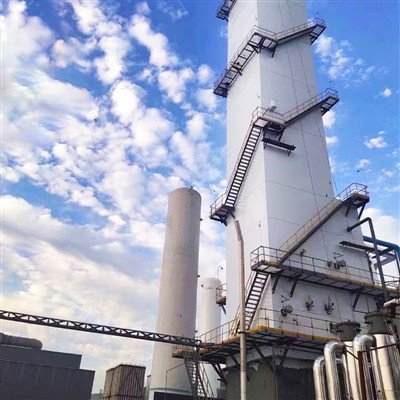
If you’re currently dealing with a recovery unit that’s underperforming, or you’re looking to upgrade and want to make sure you get maximum efficiency, feel free to reach out to our team to discuss your specific setup and needs. We work with breweries, biogas plants, food processing facilities, and more, so we know how to tailor these tips to your exact application—no generic advice, just real solutions that work.
Combustion Gas Capture Device REFERENCES
- American Institute of Chemical Engineers. (2021). Guidelines for CO₂ Capture and Recovery from Industrial Streams.
- Brewers Association. (2022). Energy Efficiency Best Practices for Craft Brewery CO₂ Recovery.
- International Energy Agency. (2020). CO₂ Recovery and Utilization: Technical Optimization Roadmap.
- Wastewater Treatment & Resource Recovery Association. (2023). Biogas Upgrading Performance Optimization Handbook.
Xinxiang Jiale Intelligent Equipment Co., Ltd.
As one of the most professional co₂ recovery device manufacturers and suppliers in China, we’re featured by quality products and good service. Please rest assured to buy durable co₂ recovery device for sale here from our factory. We also accept customized orders.
Address: No.3913, 9th Floor, Unit 3, East Commercial and Office Complex, Baolong City Plaza, Hongqi District, Xinxiang City, Henan Province, China
E-mail: cc2397410@gmail.com
WebSite: https://www.jiale-asu.com/
