When I first started my journey as a cosmetic pump supplier, I’d pull apart every pump I got my hands on—from the fancy frother on my favorite lotion bottle to the mist sprayer for my facial toner. Back then, I never stopped to think about how those tiny, reliable parts even existed. It wasn’t until a client asked, “Where did these things come from?” that I dug into the history, and what I found surprised me: cosmetic pumps aren’t just modern conveniences. They’re a evolution of material science, consumer demand, and small, clever innovations that turned messy beauty routines into something controlled. Let’s walk through how we got here, and why that history matters for anyone who relies on cosmetic pumps today. Cosmetic Pump
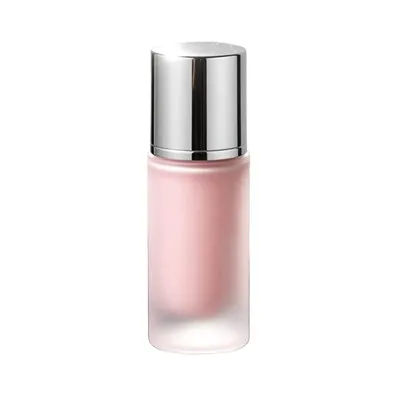
The story of cosmetic pumps begins long before there were plastic bottles or facial serums. If you go back to ancient civilizations, people used all sorts of tools to dispense beauty products—most of them messy, wasteful, and pretty basic. The Egyptians, for example, used hollow reeds or small wooden spatulas to scoop kohl eyeliner or scented ointments from clay pots. In ancient Greece, they had tiny metal ladles to move perfumes from amphorae, but those required you to open the container every time, which let air in and spoiled the product faster. The Romans even used small glass siphons for liquid perfumes, but those were fragile, hard to mass-produce, and nowhere near as useful as what we have now. All of this worked for the time, but none of it solved a problem we take for granted today: getting exactly the right amount of product, without wasting half of it, or letting it dry out.
Fast forward to the 19th century, and things started to shift. The rise of industrial manufacturing meant beauty products were no longer just for the wealthy—they were becoming mass-produced, sold in stores across Europe and North America. But the containers still hadn’t caught up. Glass bottles with corks or metal caps were the norm, but opening them to pour or dip out product meant spills, contamination, and lots of waste. Then, in the early 1900s, metal pumps started to pop up for industrial use—like the pumps for motor oil or medicinal liquids. These were big, clunky, and designed for factories, not for beauty products. But they were the first step toward something smaller. The problem was, metal was heavy, expensive, and prone to rust if it came into contact with liquids like toners or moisturizers—so it never really worked for cosmetics.
The real turning point came after World War II. The war had driven huge advances in plastic production, thanks to materials developed for aircraft, vehicles, and military supplies. Companies that had been making plastic for weapons suddenly had a lot of extra capacity, and they were looking for new markets. In the 1940s and 1950s, manufacturers started experimenting with plastic pumps for consumer goods. The first ones were for things like dish soap and hand soap, sold in small bottles. But it took a few more decades for these pumps to make their way into cosmetics. Back then, beauty brands were still selling most products in jars—creams, powders, balms—because jars were seen as a sign of luxury. Pumps were for “utility” products, not for the high-end beauty market. That started to change in the 1960s, when the skincare industry exploded. People were starting to use more liquid products—toners, essences, even early facial moisturizers—and they wanted a way to dispense them cleanly. The first cosmetic-specific pumps hit the market around 1965: small, plastic, piston-driven pumps that fit on standard glass bottles, and they were a game-changer.
By the 1970s, cosmetic pumps were becoming more common, but they were still pretty basic. Most of them were “airless” in name only—they had a simple piston that pushed product out, but air could still get into the bottle every time you pumped, which made products expire faster. Then, in the 1980s, a key innovation changed everything: the airless pump. These pumps worked by creating a vacuum inside the bottle, so when you pumped, the piston pushed product out, and a rubber diaphragm sealed the bottle to keep air out. That was huge for cosmetics, because most beauty products—especially serums, active ingredients like retinol, and natural products with no preservatives—break down when exposed to air. Suddenly, pumps weren’t just a convenience—they were a way to extend the shelf life of products. Brands loved that, because it reduced waste, and consumers loved it, because they didn’t have to worry about their toner going bad after a few weeks.
The 1990s and 2000s brought even more changes, as the beauty industry became obsessed with “clean” and luxury products. Pumps started to get more specialized. We saw mist pumps, which atomize liquid into tiny droplets, perfect for facial mists and toners. Lotion pumps, with a wider nozzle and thicker piston, for creams and body lotions. Then there was the flip-top pump, the locking pump, and even the “prescription pump,” which was designed to be tamper-proof, a response to packaging safety scares in the 1980s and 1990s. Material science also advanced: pumps started using BPA-free plastics, and some even had parts made from recycled materials, as consumers became more aware of sustainability. That’s when I, as a cosmetic pump supplier, really began to see the demand shift—not just for pumps that worked, but for pumps that aligned with the brands’ values. A decade ago, if a brand asked for a pump, they just wanted it to fit their bottle. Now, they ask for recyclable parts, plastic made from post-consumer waste, pumps that don’t use harsh chemicals in manufacturing.
Today, cosmetic pumps are taken for granted, but they’re still evolving. One of the biggest trends right now is eco-friendly packaging, and pumps are at the center of that. A lot of brands are moving away from single-use plastic bottles, and pumps play a key role there—because a well-designed pump means you can use almost 100% of the product in the bottle, instead of wasting the last 20% that gets stuck in the corners of a jar. We’ve also seen smart pumps: pumps that track how much product is left, or even pumps that are activated by touch, which is perfect for public places like gyms or hotels. Another innovation is the “zero-waste” pump, designed to be refilled multiple times, so consumers don’t have to buy a whole new bottle every time. These pumps have a reusable base, and you just refill the bottle with product—cutting down on plastic waste a lot more than a single-use pump.
I’ve been in the cosmetic pump supply business for over 15 years now, and I’ve seen firsthand how much the industry has changed. When I started, most of our customers were small local brands, making basic products, and they just needed a pump that didn’t leak. Now, we work with everything from indie clean beauty brands to large global corporations, and every project is different. One of my favorite stories from a few years ago was a brand that made a facial serum with a very unstable active ingredient—vitamin C, which breaks down in air and light. They were using a jar, and customers were complaining that the serum went bad in a week. We worked with their engineers to design a custom airless pump with an opaque bottle, so no light got in, and the pump’s vacuum seal kept air out. After that, their sales skyrocketed, because customers knew the serum was fresh for 6 months instead of 1. That’s the thing about cosmetic pumps most people don’t realize: they’re not just a part of the package. They’re a critical part of the product itself. A great pump can make a good product better, and a bad pump can ruin even the best formula.
I’ve also learned that innovation in cosmetic pumps isn’t always about the newest tech. Sometimes, it’s about solving a small, frustrating problem. For example, a few years back, a customer came to me complaining that their flip-top pump would open accidentally in a purse, spilling lotion all over someone’s phone. We worked on a small locking mechanism that required you to press two buttons at once to open the pump—simple, but it solved their problem, and it’s now one of our most popular pumps. Another time, a brand selling a thick body butter wanted a pump, but standard pumps couldn’t handle the thick consistency. We adjusted the piston size and the nozzle, and created a thick-product lotion pump that works perfectly for creams and butters—something most people didn’t think was possible before.
Looking back at the history, it’s clear that cosmetic pumps are a perfect example of how small, seemingly insignificant parts can drive big changes in an industry. From the basic metal pumps of the 19th century to the eco-friendly, smart pumps we make today, each step of the way has been driven by two things: what consumers want, and what beauty brands need. Consumers want products that are easy to use, clean, and long-lasting. Brands want packaging that stands out, aligns with their values, and protects their products. That’s why, as a cosmetic pump supplier, I’m always looking ahead—not just at what pumps are popular now, but at what the industry will need in the next 5, 10, 20 years.
Right now, one of the biggest challenges is making pumps even more sustainable. A lot of pumps have multiple parts—plastic, metal, springs, rubbers—that are hard to recycle. We’re working on designing pumps with fewer parts, made from single types of plastic that can be recycled easily, without losing functionality. We’re also looking at refillable pump systems that are simple enough for consumers to use, no special tools required. Another area is accessibility: pumps that work for people with arthritis or limited hand strength, with larger buttons and easier pumping mechanisms. That’s a part of the history we don’t talk about much—cosmetic pumps have also made beauty more accessible for people with disabilities, by eliminating the need to twist open tight jar lids or scoop product out with fingers.

At the end of the day, the history of cosmetic pumps is a history of solving small problems that add up to big improvements in how we use beauty products. What started as a way to avoid messy scoops from clay pots has turned into a critical part of every bottle on our bathroom counters. If you’re a beauty brand looking for a reliable, innovative cosmetic pump, or if you have a custom project in mind, don’t hesitate to reach out to connect and discuss your needs. Whether you’re just starting out and need a standard pump, or you’re a large brand with a complex packaging vision, we have the experience to deliver a pump that works for your product and your customers.
Plastic Cosmetic Jars References
- Dorman, W. (2019). The Evolution of Cosmetic Packaging: From Jars to Pumps. Journal of Beauty Packaging Innovation.
- Smith, L. (2021). Airless Pumps and the Preservation of Cosmetic Actives. Cosmetic Science Review.
- Global Packaging Association. (2022). Sustainability Trends in Cosmetic Pump Manufacturing. Annual Industry Report.
- Carter, R. (2018). Accessibility in Beauty Packaging: The Role of Pumps for Disabled Consumers. Journal of Retail and Consumer Services.
- Miller, A. (2020). Post-War Plastic Innovation and the Rise of Consumer Pumps. History of Consumer Goods.
Shanghai Medellin Technology Co., Ltd.
As one of the most professional cosmetic pump manufacturers and suppliers in China, we serve over 200 renowned cosmetic companies in Italy and France. Please rest assured to wholesale bulk high quality cosmetic pump from our factory. Also, custom service is available.
Address: No. 298, Lianrong Building, Linping District, Hangzhou, Zhejiang, China
E-mail: sales@toppackaging.cn
WebSite: https://www.medellin-cn.com/
