If you’ve ever worked in pest control, agriculture, or even just tackled a persistent rodent problem in a garage or backyard, plastic traps are probably a go-to tool for you. As someone who’s been in the plastic trap supply business for over a decade—speaking from years of fielding calls from customers who’ve had small mishaps, questions about proper use, and even folks who’ve never owned a trap before—I can tell you that safety is the single most overlooked part of using these tools. It’s not just about catching pests; it’s about keeping you, your family, pets, and even the environment safe while you work. Let’s break down the real, actionable safety precautions that everyone should follow, straight from a supplier who’s seen it all. Plastic Traps
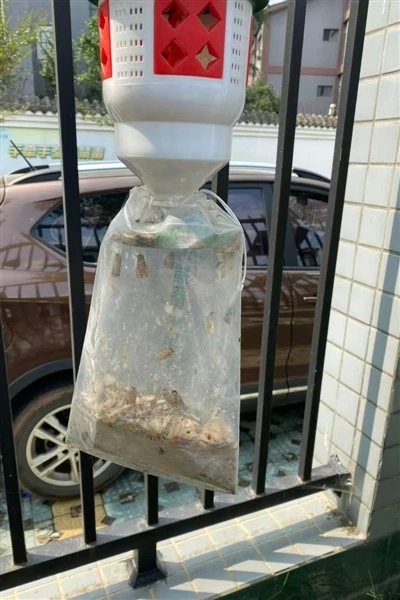
First, let’s start with the basics that many people skip over: reading the label. I know, it sounds boring, but here’s the thing—most plastic traps are made with specific materials, and the label will tell you things like weight limits, recommended pest types, and even how to dispose of them safely. For example, some large, heavy-duty plastic snap traps designed for raccoons or opossums have a much stronger spring than small mouse traps, and using them incorrectly can lead to accidental injury. Last year, I got a call from a customer who used a large rat trap meant for warehouses in his tiny apartment kitchen. He said he didn’t check the label, and when he reached in to move the trap without disengaging the safety latch, the spring snapped his thumb. That’s a preventable mistake. The label also has information about what chemicals, if any, are used on the trap—some plastic traps have a light scent to attract pests, and if you have allergies or sensitive skin, the label will warn you to wear gloves. So first rule: never grab a trap off the shelf or out of storage and start setting it without reading the label cover to cover.
Next, personal protective equipment (PPE) might seem overkill for a small plastic trap, but it’s non-negotiable. Let’s be honest—plastic traps have sharp edges, tight hinges, and powerful springs. Even non-snap plastic live traps, which are designed to catch pests without killing them, can pinch fingers if you’re not careful. I recommend at least nitrile gloves, not the thin latex ones you use for dishes. Nitrile gloves are thick enough to keep your hands safe from pinches, cuts, and even any bacteria or parasites that pests might carry. If you’re setting larger traps, like those for skunks or squirrels, add a pair of safety goggles to your PPE kit. Why? Because when you set a snap trap, there’s a small chance the spring can slip or a part can snap back unexpectedly, sending a tiny piece of plastic or metal flying. I’ve seen a customer get a small plastic sliver in his eye because he skipped goggles—luckily it was minor, but it could have been much worse. If you’re working in an area that’s been infested, like a basement or shed that’s had mice, wear closed-toe shoes and even a long-sleeved shirt to avoid contact with droppings or urine that might be on the trap. That’s not paranoia—hantavirus and other pathogens can be transmitted through contact with pest waste, so PPE is your first line of defense here.
Then there’s the big one: keeping plastic traps away from children and pets. This is probably the most common issue we see as a supplier, and it breaks my heart. Last spring, a customer’s 3-year-old reached under their porch and pulled a set plastic snap trap that was set out for voles. The child didn’t know what it was, squeezed the trigger, and got a cut on their palm. It took a trip to the urgent care, and it was completely avoidable. So what do we recommend for storing and placing traps? First, never set traps in areas that are easily accessible to kids or pets. If you need to set traps in a home with curious toddlers, use enclosed plastic trap stations. These are plastic boxes that hold the trap inside, with small openings only big enough for pests to fit through—kids, dogs, and cats can’t get their paws or heads in. For outdoor use, place traps at least three feet away from sidewalks, play areas, or pet doors. If you have a pet that likes to wander, make a habit of checking trap locations every time you walk through the yard. And for storage—when you’re not using traps, keep them in a locked cabinet or a high shelf, not under the sink or in a garage where kids or pets can get to them. Even if a trap is unset, its sharp edges can cause a cut, so never leave loose traps lying around.
Now, specific precautions for different types of plastic traps. Not all plastic traps are the same, so you can’t use the same rules for every kind. Let’s start with snap traps, the most common type. When setting a plastic snap trap, always use the trigger end away from your body. A lot of people make the mistake of holding the trap with their fingers on the pedal, which is exactly where you don’t want them. Instead, hold the trap by the ends of the plastic base, pull the bar back to set it, and then secure it with the small safety latch—most plastic snap traps have this, and it’s there for a reason. Once it’s set, never touch the trap except by the base or the safety latch. For live-catch plastic traps, which are great for relocating pests, the safety precautions are a little different. These traps are usually larger, with a spring-loaded door that snaps shut when the pest steps on the trigger. When setting these, don’t put your hand inside the trap to adjust the trigger—instead, use a small stick or the end of a screwdriver to move the parts. When you remove a pest from a live trap (whether you’re releasing it or disposing of it), wear heavy gloves, and make sure the trap is fully disengaged before opening the door. Never reach into a live trap that you can’t see inside—sometimes a frightened pest will bite or scratch, even if it’s not a dangerous one. For glue traps, which are flat plastic sheets covered in a sticky adhesive, these have their own set of risks. They’re non-selective, so they can catch birds, lizards, or even pets, and once something is stuck, it can suffer stress or injury. If you do use glue traps, place them only in areas where you’re sure no non-target animals will step, and check them every few hours. If you catch a pet or a beneficial animal, don’t try to pull it off the glue—you’ll hurt it. Instead, use a small amount of vegetable oil or dish soap to loosen the adhesive, and then release it. As a supplier, we actually recommend live-catch or snap traps over glue traps when possible, because of the safety risks to non-target species, but we know sometimes glue traps are necessary for severe infestations.
Next, handling and disposing of used plastic traps. This is another area where I see customers cut corners, and it can lead to safety issues or environmental harm. First, never touch a used trap that has caught a pest without heavy gloves—even if the pest is dead, its body can carry bacteria or parasites. When disposing of a snap trap, make sure it’s fully unset, then wrap it in several layers of plastic or a heavy bag before throwing it in the trash. Some municipalities have rules about disposing of traps with sharp parts, so check your local waste guidelines, but wrapping it will keep garbage collectors safe. For live traps that have held a pest, if you’re relocating the animal, make sure you release it at least 10 miles from your property, in a wooded or grassy area where it won’t come back. If you have to dispose of a live-trapped animal, check your local laws—many areas require you to call a wildlife removal service, and killing the animal yourself can be dangerous if you don’t know how to handle it. For plastic traps that are reusable, like large outdoor live traps, clean them thoroughly after each use. Use a mixture of hot water and bleach (one part bleach to nine parts water) to kill any pathogens, then rinse them well and let them dry completely before storing them. Never reuse a trap that’s cracked or broken—plastic traps can become brittle over time, especially if they’re left in the sun, and a broken trap won’t work properly, and can have sharp edges that cause injury.
Environmental safety is also a big part of using plastic traps, and it ties into personal safety too. As someone who cares about more than just selling traps, I’ve seen how improper trap use can harm wildlife and the ecosystem. For example, if you set a snap trap near a bird feeder, you might catch a songbird instead of a mouse, which is not only a safety issue for the bird but also for any pets that might find it. That’s why it’s important to place traps along walls or in cracks where pests travel, not out in the open where other animals can access them. Avoid using traps near water sources, too—some plastic traps can leach small amounts of chemicals into water, which can harm fish or amphibians. If you’re using traps in a garden, keep them away from edible plants, so they don’t come into contact with produce you’ll eat.
Let me also address some common myths that I hear from customers, because they can lead to unsafe practices. One myth is that “plastic traps are safer than metal traps.” That’s only partially true—plastic is lighter, so the springs might be less powerful on small traps, but large plastic snap traps can have just as much force as metal ones. Another myth is that “if a trap is unset, it’s not dangerous.” That’s wrong—unset traps have sharp edges and hinges that can pinch or cut you, especially if you have sweaty hands or are working in the dark. One more myth is that “glue traps are cruelty-free.” While they don’t kill pests instantly, they can cause prolonged stress and injury to the animal, and as I mentioned earlier, they’re very dangerous for pets and wildlife.
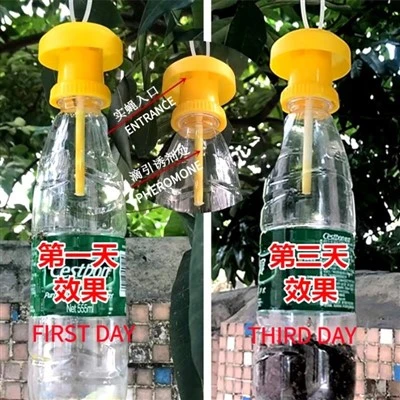
At the end of the day, using plastic traps safely is all about being intentional. It’s not just about catching pests—it’s about protecting the people and animals around you, and doing it responsibly. If you’re looking for high-quality, durable plastic traps that are designed with safety in mind, we can help you find the right type for your needs, whether you’re a homeowner dealing with a mouse problem or a pest control company managing a large infestation. We also offer guides on proper setup, safety, and disposal, so you can feel confident using our products without putting anyone at risk. If you have questions about which trap is right for you, or need more details on safety precautions, don’t hesitate to reach out. We’re here to help you solve your pest problems safely and effectively.
Solar Insecticidal Lamp References
Centers for Disease Control and Prevention. (2022). Rodent Control Safety. National Center for Emerging and Zoonotic Infectious Diseases.
Pest Management Professional. (2021). Safety Guidelines for Trapping Pests. North American Pest Management Association.
Environmental Protection Agency. (2020). Integrated Pest Management for Homes and Gardens. U.S. Environmental Protection Agency.
American Veterinary Medical Association. (2023). Safe Use of Rodent Traps Around Pets and Children.
Sichuan Ruijinte Technology Co., Ltd.
As one of the most professional plastic traps manufacturers in China, we have world-leading production equipment and strong manufacturing capabilities. Please rest assured to wholesale high quality plastic traps at competitive price from our factory. Customized orders are welcome.
Address: No. 616, 6th Floor, Building 1, No. 8, Tianjiu North Lane, High-tech Zone, Chengdu
E-mail: glock@rjt-agri.com
WebSite: https://www.rjtagri.com/
