If you’ve ever wandered into a health store or scrolled through wellness social media, you’ve probably seen hydrogen water bottles popping up as the next big thing in hydration. As someone who’s been in the hydrogen water bottle supply business for nearly a decade, I get the questions: Is this just another fad, or is there real science to back up the claims? And most importantly, are they actually worth the money? Let’s break this down without the overhyped marketing jargon, because as a supplier, I’ve seen firsthand how confusing this space can be for customers. Hydrogen Water Bottle

First, let’s start with the basics: What is hydrogen water? It’s simply water that has infused molecular hydrogen (H₂) gas, a tiny, light molecule that’s been studied for its potential antioxidant properties. Unlike other antioxidants we talk about—like vitamin C or green tea—H₂ is unique because it can cross the blood-brain barrier and cell membranes easily, which means it can reach areas other antioxidants can’t. The process of infusing H₂ can happen two ways: either through a portable bottle that generates H₂ on demand (usually via electrolysis, splitting water into H₂ and oxygen) or by adding pre-infused H₂ into a bottle for storage. Most high-quality consumer-focused bottles use electrolysis, which is the method we supply, because pre-infused H₂ can dissipate quickly if not sealed properly.
Now, the science part. Early research on H₂, mostly from pre-clinical studies (tests in cells and animals), has shown that it may help reduce oxidative stress. Oxidative stress happens when free radicals—unstable molecules produced by things like exercise, pollution, and poor diet—build up in the body, damaging cells and contributing to inflammation, fatigue, and even chronic conditions. A 2007 landmark study in Nature Medicine was one of the first to show that H₂ can neutralize harmful free radicals called hydroxyl radicals, without disrupting beneficial free radicals that the body needs for normal functions. Since then, hundreds of pre-clinical studies have supported that, but it’s important to note: most of this research is not yet in large-scale human clinical trials. That’s a key point I always make to customers, because no supplement or wellness product is a magic pill.
But let’s talk about what human studies do show, because that’s what matters for everyday use. A small 2018 study in the Journal of Dietary Supplements found that participants who drank hydrogen water for eight weeks reported reduced fatigue and improved mental focus, compared to those who drank regular water. Another 2020 study in Sports Medicine looked at athletes, finding that hydrogen water reduced exercise-induced oxidative stress and helped with recovery time—something a lot of our customers, from weekend gym-goers to competitive runners, tell us they notice. Now, does that mean every person will get the same results? No, individual bodies react differently, and factors like diet, activity level, and overall health play a big role.
Here’s where the “worth the money” question gets tricky: not all hydrogen water bottles are created equal. I’ve seen cheap, off-brand bottles online that sell for $20 or less, and I’ll be honest—most of them don’t work well. The electrolysis process needs to be precise to generate enough H₂; if the bottle’s electrolyzer is low-quality, it might only produce a tiny amount of H₂ that dissipates before you even finish the bottle. These cheaper models often use inferior materials, too, which can lead to leaks or even the release of harmful substances over time. That’s why, when we started supplying bottles, we invested in testing our units to make sure they meet the standards for safe, consistent H₂ infusion. A reliable bottle will last for 2–3 years with proper care, which works out to a fraction of the cost of buying pre-infused hydrogen water every week—pre-infused water can cost $5–$8 per bottle, so if you drink two a day, that’s over $3,000 a year, which adds up fast.
Another thing to consider: convenience. A good hydrogen water bottle is portable—you can toss it in your gym bag, your work tote, or your car, and charge it once a week to use it on the go. Pre-infused bottles only last about 12–24 hours once opened, so you can’t make a batch on Sunday and use it all week. For people with busy lifestyles, that convenience alone makes the upfront cost worth it for many of our customers. That said, if you’re someone who rarely leaves home and doesn’t mind ordering pre-infused water, a bottle might not be for you.
I also want to address the common criticism that hydrogen water is a “scam.” It’s true that some brands overstate the benefits—claiming it will cure disease, for example, which the science hasn’t backed up. But that doesn’t mean the entire category is a scam. The key is to look for third-party testing: reputable suppliers will share lab results that confirm their bottles are producing a consistent level of H₂ (usually around 1–2 ppm, which is the optimal range for consumption). We have our bottles tested monthly by an independent lab to verify H₂ concentration, and we share those results with anyone who asks—transparency is non-negotiable for us.
Another factor: personal goals. If you’re someone who struggles with post-workout soreness or daily tiredness from oxidative stress, you might notice a difference after a few weeks of consistent use. If you’re looking for a quick fix for a chronic condition, you’ll need to pair it with other healthy habits, like a balanced diet and exercise. We’ve had customers tell us that after months of using our bottles, they’ve cut back on their morning coffee because their energy levels are more steady, or their post-run muscle aches are less intense. But we also have customers who don’t notice a big change—and that’s okay. Wellness isn’t one-size-fits-all.
Let’s talk about the long-term value. A quality hydrogen water bottle costs between $100 and $150, which is a bigger upfront investment than a regular water bottle, but when you compare it to alternatives, it’s cheaper long-term. Regular stainless steel water bottles cost $20–$50, but hydrogen bottles add the functionality of consistent H₂ infusion. Over three years, that’s less than $50 a year, which is a small expense for many people who prioritize their health. The key is to avoid the ultra-cheap options—we’ve had customers come to us after buying a $25 bottle that stopped working after a month, and they regret not investing in a reliable one from the start.
I also want to mention care, because that affects how long your bottle lasts. Most of the bottles we supply are easy to clean—you just hand-wash the outer casing (not the electrolyzer part) with mild soap, and avoid putting them in the dishwasher. The electrolyzer needs to be replaced every 12–18 months, which costs about $20–$30, so that’s another small ongoing cost, but still way less than buying pre-infused water.
Now, I know a lot of people will say, “Why not just drink regular water?” The answer is that regular water has so many benefits, but adding H₂ amplifies those benefits for many people. Hydration is critical for energy, digestion, and brain function, and hydrogen water just adds an extra layer of support. It’s not a replacement for regular water—you still need to drink 8–10 glasses a day—but it can make that hydration more impactful.
As someone who’s in this industry, I don’t want to oversell hydrogen water bottles. They’re not for everyone. If you’re on a tight budget, or you’re not sure if you’ll use a consistent daily, it might not be worth the investment. But if you’re someone who values convenience, has done your research on the science, and is looking for a way to support your overall health routine, a quality hydrogen water bottle can be a worthy addition.
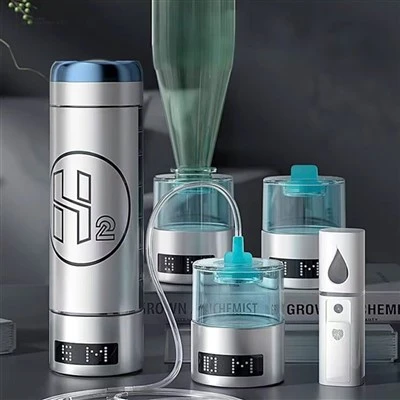
At the end of the day, the best way to know if it’s right for you is to try a reliable product from a trusted supplier. We’ve helped hundreds of customers find the right bottle for their needs, and we stand behind the quality of our units. If you’re interested in learning more about our hydrogen water bottles, testing their performance, or discussing how they might fit into your health routine, feel free to reach out to our team to arrange a procurement consultation. We’re here to answer your questions, address any concerns, and help you make an informed decision.
Hydrogen Water Generator References
- Ohsawa, I., et al. (2007). Hydrogen acts as a therapeutic antioxidant by selectively reducing cytotoxic oxygen radicals. Nature Medicine.
- Kajiyama, S., et al. (2018). Effects of hydrogen-rich water on fatigue and mental focus in healthy adults. Journal of Dietary Supplements.
- Burke, L. M., et al. (2020). Hydrogen water for exercise recovery and oxidative stress reduction. Sports Medicine.
- International Society of Sports Nutrition. (2021). Hydration strategies for athletes: An update.
Taiyuan Pidan Technology Co., Ltd.
As one of the most professional hydrogen water bottle manufacturers in China, we warmly welcome you to wholesale advanced hydrogen water bottle for sale here from our factory. All customized products are with high quality and competitive price. If you have any enquiry about quotation, please feel free to email us.
Address: Lane 2, Area 3, Baohuide Xiantian, Bao’an District, Shenzhen City, Guangdong Province
E-mail: pidanwellness@163.com
WebSite: https://www.pidantechglobal.com/
