When I first started working with fir wood for coffin making 12 years ago, I’ll admit I didn’t know the half of what went into balancing craft, sustainability, and the needs of families at one of life’s most tender moments. Back then, I was just a supplier who wanted to offer a solid, accessible alternative to hardwoods that cost families thousands extra. Today, after thousands of coffins crafted and shipped across the country, I’ve learned that painting a fir coffin isn’t just about adding color—it’s about honoring both the wood and the stories the coffin will hold for generations. Let’s break down what that process really looks like, from choosing the right fir to the final coat, and why it matters for every family we serve. Fir Coffin
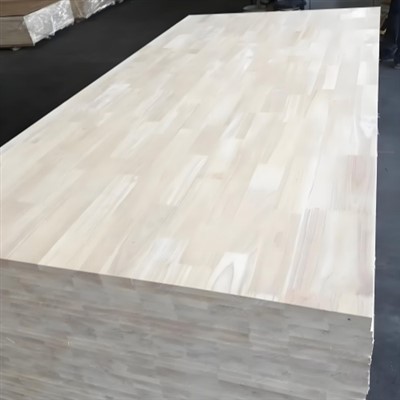
First, a quick note on why fir is our wood of choice. Unlike oak or maple, which are dense and often require extensive processing, fir (we work primarily with Douglas fir and white fir, sourced from sustainably managed Pacific Northwest forests) has a consistent grain that’s easy to work with, durable enough to withstand decades of burial, and lighter than hardwoods—meaning easier transportation and a lower environmental footprint. But fir has one quirk: it’s porous. That porosity is why painting it requires more care than, say, a sealed hardwood; ignore that, and you’ll end up with uneven absorption, chips, or flaking long before the coffin sees its final resting place. That’s where our process starts, and where years of trial and error have taught us exactly what works.
Before we even touch a can of paint, every fir plank goes through a three-step preparation process. First, we mill the wood to a precise ¾-inch thickness—thick enough for structural integrity, but thin enough to keep the coffin lightweight. Then, we air-dry each plank to a 8-10% moisture content, a critical measurement we check with a digital moisture meter. If the wood is too wet, it will shrink and warp as it dries, cracking your paint; too dry, and it will absorb too much paint, wasting product and leaving thin, vulnerable coverage. Once the planks are dried, we sand them to 220 grit, smoothing out the grain without closing the tiny pores that make fir unique. We skip a full priming at this stage for one reason: primers can seal the surface too tightly, preventing the paint from bonding with the wood’s natural fibers. That’s a mistake we see new suppliers make all the time, and it leads to paint peeling within a few years of burial.
When it comes to choosing paint, not all formulas are created equal for a coffin. We don’t use regular interior latex or oil-based paints—those break down when exposed to soil moisture, bacteria, and UV rays (if the coffin is displayed in a home or funeral home before burial). Instead, we use 100% acrylic latex exterior paint, rated for above-ground and below-ground use, with a flexible resin that moves with the wood as it shifts slightly with temperature and humidity. We also add a mildewcide that’s non-toxic, because even after burial, the last thing a family wants is for their loved one’s resting place to be discolored by mold. For our clients who want custom colors, we match every sample we get—from soft pastels for natural burial grounds to deep forest greens and navy blues for traditional services—using pigments that are fade-resistant, so the color stays vibrant for decades. We never use lead or mercury-based pigments, per EPA guidelines, and all our paint is VOC-compliant, meaning it doesn’t release harmful fumes during application or over time.
Now, the painting process itself—this is where the craftsmanship comes in. It’s not a spray-and-pray job; every coffin is painted by hand, one side at a time, by our team of 8 experienced artisans who’ve been with us an average of 7 years. First, we apply a thin base coat, about 10 mils thick (that’s roughly the thickness of a plastic bag), using a high-density foam brush. We work in long, even strokes with the grain, not against it, to avoid creating gaps where moisture can seep in. After the base coat, we let it dry for 24 hours in a climate-controlled space (kept at 70 degrees Fahrenheit and 45% humidity) — humidity is a big factor here; too high, and the paint won’t cure properly; too low, and it will dry too fast, leading to cracking. Once the base coat is dry, we do a light sanding with 320-grit sandpaper to smooth any tiny drips or rough spots, then wipe the entire coffin with a lint-free cloth to remove all dust.
Then comes the top coat. We use a two-part acrylic urethane topcoat, which adds a layer of protection that’s 5 times more durable than regular paint. This is the step that prevents flaking and extends the life of the finish. We apply two thin coats, with 12 hours of drying time between each, and do a final inspection to make sure there are no missed spots. For coffins that will be buried in a green cemetery, we also offer a natural, non-toxic wax finish instead of paint—so the wood decomposes naturally without leaving harmful residues. That’s a service we’ve refined over the last 5 years, working with green burial advocates to make sure it meets their strict standards.
But here’s what a lot of suppliers don’t talk about: the care we put into the details after painting. Every coffin gets a final quality check, where we run our hands over every inch to feel for any rough spots or thin coverage. We also label each coffin with a unique batch number, so we can track every step of its journey—from the forest where the fir was harvested to the artisan who painted it. That kind of transparency is something families appreciate, especially when they’re making a decision at a difficult time.

I want to be clear: painting a fir coffin isn’t just a technical process. It’s a way to honor the purpose of the coffin itself. Our clients range from funeral homes across the country to families pre-planning their own final arrangements, and every time we deliver a coffin, we know it’s going to hold someone’s loved one. That’s why we don’t cut corners on paint, or on preparation, or on sourcing sustainably harvested fir. We’ve had families tell us that a custom soft blue paint on a fir coffin matched their loved one’s favorite shirt, or that the natural wax finish felt true to the person who loved gardening and the outdoors. That’s the part that makes this work meaningful, not just a business.
Plastic Urns If you’re a funeral home looking for a reliable, high-quality fir coffin supplier, or a family exploring options for a loved one, we’d love to walk you through our process. We’ve been perfecting our craft for over a decade, sourced our fir from responsibly managed forests, and offer both custom paint finishes and natural options to meet your needs. Reach out to us to discuss your requirements, ask questions, or request a sample of our painted fir coffins—we’re here to help.
References
- Forest Stewardship Council (FSC). (2022). FSC Principles and Criteria for Forest Stewardship.
- American Wood Protection Association (AWPA). (2021). Standard for Wood Products for Below-Ground and Above-Ground Applications.
- U.S. Environmental Protection Agency (EPA). (2020). Volatile Organic Compound (VOC) Limits for Architectural Coatings.
- National Funeral Directors Association (NFDA). (2023). Sustainable Funeral Practice Guidelines.
- International Organization for Standardization (ISO). (2019). ISO 16282: Wood-based Panels – Specification for Coffins and Caskets.
Cao County Huifengyuan Wooden Co., Ltd.
Cao County Huifengyuan Wooden Co., Ltd. is one of the most experienced manufacturers and suppliers of fir coffin in China. Please rest assured to wholesale high quality fir coffin at competitive price from our factory. If you have any enquiry about customized service, please feel free to email us.
Address: Changgangmiao Village, Zhuangzhai Town, Cao County, Heze, Shandong, 274404, China
E-mail: admin@hfywooden.com
WebSite: https://www.hfycoffin.com/
