Hey everyone, Architectural Hardware
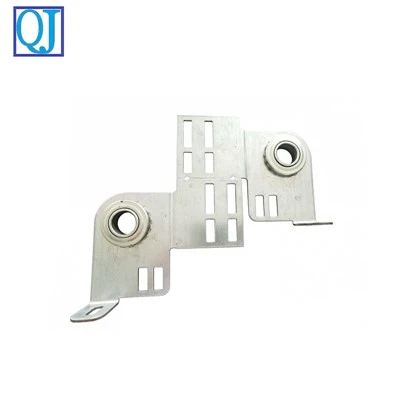
If you’ve ever been deep in the weeds of a build or renovation, you’ve probably heard people toss around terms like “satin finish” when talking about architectural hardware — but let’s be real, it’s not always clear what that actually means, especially when you’re comparing it to all those other finishes (think polished chrome, brushed nickel, oil-rubbed bronze, ugh, it’s enough to make your head spin). As someone who’s been in the architectural hardware game for over a decade, I’m here to break this down like we’re chatting over a coffee (or a cold one, no judgment), and clear up all the confusion about satin finish architectural hardware.
First off, let’s stop overcomplicating it. Satin finish is essentially a middle-ground when it comes to surface texture and shine — not too glossy, not too flat. You know that feeling when you touch a doorknob that doesn’t smudge instantly, or a cabinet pull that doesn’t show every fingerprint like a mirror? Chances are, that’s satin. But it’s not just about looks, right? Architectural hardware is part function, part form, and satin finish hits that sweet spot for most projects these days. Let’s start with the science bit, because I know a lot of you builders, designers, and contractors care about how it’s made, not just what it looks like.
Most satin finishes on hardware are created through a process called abrasive blasting, or sometimes just “satin finishing” for short. You take raw brass, steel, zinc alloy, or whatever metal you’re using, and you blast it with fine, uniform particles (like aluminum oxide or glass beads) at low pressure. This etches tiny, consistent micro-scratches all over the surface — not deep enough to feel, but enough to scatter light instead of reflecting it straight back. That’s why it has that soft, muted shine, like the inside of a new stainless steel fridge, but way more polished than matte black hardware (which is basically just a flat paint or powder coat these days). The key word here is “uniform” — inconsistent blasting would give you a weird, streaky finish, so it’s a process we take seriously, especially since we supply hardware to projects that need to meet strict building codes.
Wait, let’s contrast that with other finishes to make it stick. Polished chrome is super shiny, like a car bumper — it reflects every light, every fingerprint, every smudge. You spend half your day wiping it down if it’s in a high-traffic area (like a commercial lobby or a residential entryway). Oil-rubbed bronze is darker, has that aged, uneven patina, but it can wear unevenly over time, showing lighter spots where people touch it most. Brushed nickel is similar, but its texture is usually linear scratches, so you can see the grain direction — satin is more random, so it doesn’t look like it has a “direction” to the scratches, which makes it work for any hardware piece, no matter how it’s oriented. Matte black is, well, flat, and if you scratch it, it shows instantly — satin is way more durable because it’s not a coating, it’s a texture on the base metal. That’s a big selling point for us, honestly; most clients don’t realize satin is usually a finish on the metal itself, not a paint or powder coat that can chip.
Now, why is satin finish architectural hardware such a workhorse? Let’s talk about where it works best, because that’s something we get asked about all the time. For residential projects: think kitchen cabinet pulls, bathroom towel bars, interior door handles. No one wants a doorknob that’s a fingerprint magnet when you’re rushing in from the rain, or a pull that shows every smudge when you’re grabbing coffee. Satin hides those small imperfections way better than polished finishes, but it’s still warm enough to not feel cold and clinical like matte finishes can. For commercial projects, it’s a no-brainer — hotels, office buildings, retail spaces get tons of foot traffic, so hardware needs to hold up. Satin resists scratches better than polished, and it doesn’t show wear as quickly. We installed satin finish lever handles in a downtown office tower last year, and the maintenance team there told us after 6 months, they only had to wipe them down once a week, versus the polished chrome handles they replaced, which needed daily polishing. That’s a win for everyone.
Wait, but hold on — is there a downside? No, nothing’s perfect, right? Satin finish isn’t for every project. If you’re going for that ultra-modern, glossy, luxury vibe (like a high-end boutique that wants all mirror-like hardware), satin is gonna feel too muted. Or if you’re doing a rustic, industrial project with raw, unpolished metal, a matte or unfinished finish would fit better. But for 70% of the projects we work on, satin is the go-to, and here’s why: it’s versatile, durable, and it pairs with literally every design style. You can mix satin hardware with marble countertops, wood cabinets, even concrete floors — it doesn’t clash. Polished chrome only works with certain finishes, oil-rubbed bronze is too dark for some light, airy spaces, but satin? It’s like the neutral paint of hardware. It goes with everything.
Let’s get into the nitty-gritty of durability, because that’s what our customers care about. When we test satin finish hardware, we run all the same standard tests for architectural hardware — salt spray (to mimic humidity and coastal air), abrasion (the rub test where we scratch it with a wire brush), and corrosion resistance. Satin finishes actually hold up really well here, because the micro-scratches are uniform and don’t catch on things like clothing or keys. Wait, but I’ve heard people say satin can get dull over time? Only if it’s not maintained properly. The good news is, maintaining satin hardware is way easier than you think. You don’t need special polish — just a soft cloth and mild soap. Avoid abrasive cleaners (like window cleaners with ammonia) because they can wear down the satin texture and make it look dull. We always tell clients that a quick wipe every couple of weeks is all it takes to keep it looking new.
Something most people don’t realize: satin finish architectural hardware isn’t just for handles and pulls. It’s for hinges, deadbolts, door closers, even cabinet latches. Every piece of hardware that’s exposed to daily use can benefit from satin finish. We had a client who was doing a whole-home renovation, and they switched all their hardware from polished brass to satin halfway through because their interior designer pointed out that the polished brass was clashing with their warm gray walls. Satin brass (another common satin finish) has that soft, warm tone that doesn’t overpower a space, whereas polished brass can be too bright. That’s the kind of thing that makes a project look cohesive, right?
Let’s talk about why we (as a supplier) swear by satin finish, and why we push it so hard to our clients. First, it’s a balance of cost and performance. Satin finish hardware isn’t as expensive as specialty finishes like polished gold, but it’s way more durable than cheaper matte finishes. That means our clients get a product that doesn’t need to be replaced in 2 years, which saves them money in the long run. Second, it’s inclusive — no matter if you’re a residential homeowner doing a small kitchen remodel, a general contractor working on a 10-story apartment building, or an architect designing a new boutique hotel, satin works for all of it. We stock satin finish hardware in all the common metals: brass, stainless steel, zinc alloy, bronze — so no matter what your project requires, we’ve got it in stock, ready to ship.
Wait, let’s address a common misconception I hear all the time: people think satin finish is the same as brushed finish. Nope, not even close. As I mentioned earlier, brushed finish has linear scratches — you can see the grain going in one direction, usually along the length of the hardware. Satin is random, micro-scratches, so there’s no grain direction. That might sound like a tiny difference, but it makes a huge visual impact. If you run your hand over a brushed doorknob, you can feel the lines; satin is completely smooth to the touch, no texture at all, just the soft sheen. Brushed is great for industrial or modern projects where you want that visible grain, but satin is more timeless, which is why it’s stayed popular for decades.
Another thing: sustainability. A lot of our clients care about green building practices these days, and satin finish hardware fits right in. Since it’s a durable finish, it means less waste from replacing hardware that wears out quickly. Also, most satin finishes these days are applied using eco-friendly processes — we don’t use harsh chemicals in our finishing, and our suppliers follow OSHA guidelines for safe manufacturing. That’s a big plus for projects looking to get LEED certified, or just reduce their environmental footprint.
Let me wrap this up by saying, if you’re working on a project and you’re not sure what finish to pick for your architectural hardware, satin is the safe bet. It’s timeless, durable, versatile, and it works for almost any space. At the end of the day, architectural hardware is the unsung hero of a build — it’s the thing you use every single day, and you don’t notice it until it’s not working, or it looks dirty. Satin finish takes that stress away. It keeps looking good, it’s easy to maintain, and it pairs with everything.
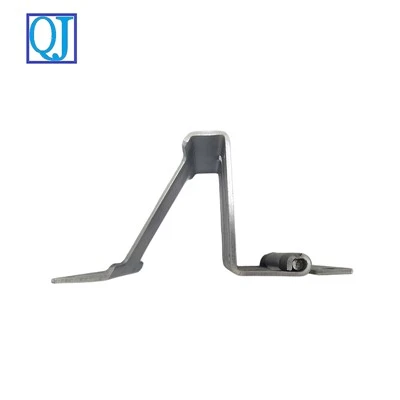
If you’re ready to talk about your project — whether you need quotes, product specs, or just more info on satin finish hardware — don’t hesitate to reach out. We work with builders, architects, designers, and homeowners, so no project is too big or too small. We’ll hook you up with exactly what you need, no fluff, no hidden fees.
Garage Door Hardware References:
- Modern Materials and Processes for Architectural Finishes, Architectural Hardware Institute, 2022
- Durability of Common Metal Finishes for High-Traffic Architectural Applications, Journal of Construction Materials, 2021
- Sustainable Finishing Practices for Commercial Building Components, Green Building Initiative, 2023
Kunshan Qunju Metal Products Co., Ltd.
As one of the most professional architectural hardware manufacturers and suppliers in China, we have world-leading production equipment and strong manufacturing capabilities. Please rest assured to wholesale premium architectural hardware in stock here from our factory. We also accept customized orders.
Address: No.63, Jindong Road, Jinxi Town, Kunshan City
E-mail: Andycsyy@126.com
WebSite: https://www.topmhm.com/
