If you’ve ever walked on a raised platform at a factory, crossed a catwalk above a loading dock, or navigated a maintenance access way on a large industrial machine, chances are you’ve been on an expanded metal walkway grating without stopping to think about what makes it work. As an expanded metal supplier who’s spent the last 12 years working directly with architects, plant managers, and construction crews, I can tell you this material isn’t just a metal sheet with holes cut in it—it’s a purpose-built component that balances safety, durability, and cost better than almost any alternative. Let’s break down what expanded metal walkway grating is, how it’s made, and why it’s the go-to choice for so many industrial and commercial spaces. Expanded Metal

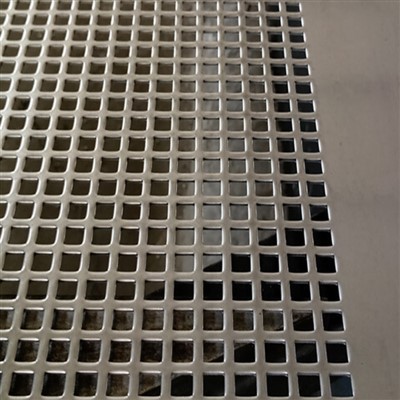
First, let’s start with the basics: expanded metal isn’t perforated metal, and that’s a key difference a lot of people mix up. Perforated metal is made by punching or drilling separate holes into a solid sheet, which weakens the material around each hole and creates sharp edges that can catch on work boots, tools, or fabric. Expanded metal, by contrast, is created by taking a single solid sheet of metal—usually carbon steel, aluminum, or stainless steel—and running it through a hydraulic machine that simultaneously cuts and stretches the sheet in a precise, repeating pattern. No extra material is removed; the metal is just deformed, creating a mesh of interconnected diamond-shaped openings that run the full length and width of the sheet.
For walkway grating specifically, that pattern and stretching process isn’t arbitrary. The size of the diamonds, the thickness of the original metal sheet, and the type of metal are all chosen to support specific load capacities, traction needs, and environmental conditions. Let’s walk through how that works step by step. The first step is selecting the base material. Most of the walkway grating we supply starts with low-carbon steel, which is strong enough to support heavy foot traffic, equipment rolls, and occasional heavy loads like hand trucks or maintenance tools. For spaces exposed to moisture, chemicals, or salt (like marine loading docks or chemical processing plants), we offer galvanized steel or stainless steel options. Aluminum is a lighter pick for elevated catwalks where weight is a concern, like in commercial building mechanical penthouses, without sacrificing too much strength.
Next comes the cutting and stretching process, which is where the grating gets its structural integrity. When the hydraulic machine applies force, the original sheet is cut in a staggered, repeating line—think of a grid where every other cut is offset by half the diamond length. As the machine pulls the sheet apart along these cuts, the metal stretches and forms the diamond openings, instead of breaking at the cut edges. This creates a solid, monolithic structure: there are no loose pieces, no weld points (unless you choose a reinforced option), and the grain of the metal is stretched along the length of the diamonds, making the grating much stronger than a perforated sheet of the same thickness. That’s a huge benefit for walkways, because it means less material is needed to support the same load, which cuts down on installation time and cost.
Now, what makes expanded metal walkway grating different from other types of grating—like bar grating or perforated grating—for actual use? Let’s talk about traction first, because that’s non-negotiable for a safe walkway. The diamond shape and the raised, uniform texture of expanded metal create slip resistance that’s been tested to meet OSHA and ISO standards for wet and dry conditions. Unlike smooth perforated holes that can be slippery when wet, the ridges of the expanded metal give boots a place to grip, even in rain, oil, or melting snow. For industrial spaces where slips and falls are a top workplace safety risk, that’s not just a nice feature—it’s a requirement for compliance.
Load capacity is another critical factor. Expanded metal walkway grating is rated by two main measurements: the thickness of the original metal sheet and the “mesh size,” which refers to the distance between the centers of adjacent diamonds. A 10-gauge carbon steel sheet with a 2-inch mesh, for example, can support up to 250 pounds per square foot for regular foot traffic, while a heavier 6-gauge sheet with a 3-inch mesh can handle up to 500 pounds per square foot, enough for forklifts or small vehicles. Most of the projects we work with specify a 8-gauge or 6-gauge sheet, with mesh sizes between 1.5 inches and 3 inches, to balance strength and weight. Too small a mesh, and the grating can trap debris like small parts, leaves, or water, which creates slip hazards over time; too large a mesh, and it can be hard to roll hand trucks or wheelchairs across without wheels getting stuck.
Durability is where expanded metal really stands out against alternatives. Bar grating, which is made by welding parallel metal bars together, can have weak points at the welds—over time, heavy loads or constant vibration can cause welds to crack, leading to loose bars and a trip hazard. Perforated grating, as I mentioned earlier, has sharp edges that can snag clothing or tools, and the holes can get clogged with mud or debris, making it slippery. Expanded metal, because it’s a single piece, has no welds to fail, and the smooth, rounded edges of the diamonds are less likely to catch. We’ve supplied grating to a food processing plant in Texas that’s been in use for 14 years now, with almost no wear—they only replaced it last year because they expanded their production line and needed a wider walkway, not because the original grating had degraded.
Another underrated benefit of expanded metal walkway grating is its flexibility for custom projects. Because we manufacture it in-house, we can cut sheets to any size, add curved edges for catwalks that follow the shape of a building, or apply finishes like non-slip coating for high-traffic areas like loading dock ramps. We also offer “flattened” options for spaces where the grating will support carts with hard rubber wheels, which prevents wheels from catching on raised edges, and “raised” options for areas that need extra slip resistance, like outdoor stair treads. For clients who need walkway grating for platforms that are 10 feet in the air, we can also add support bars underneath to meet higher load capacities, without making the grating too heavy to install manually.
Now, let’s talk about common mistakes we see clients make when choosing expanded metal walkway grating, because it’s easy to pick the wrong option if you don’t know what to look for. The first mistake is choosing a thinner sheet to save money upfront. A lot of small plant managers will opt for 12-gauge steel, which is cheaper, but for regular foot traffic with hand trucks, that sheet can bend over time, creating a wobble that’s both uncomfortable and a safety hazard. We always recommend sizing up one gauge if the walkway will see more than occasional foot traffic. The second mistake is not considering the environment. If you’re installing a walkway near a coast where salt air is present, regular carbon steel will rust through in 2-3 years. Galvanized steel adds a zinc coating that extends life to 15-20 years, and stainless steel can last 30+ years, even in harsh chemical environments. The third mistake is picking a mesh size that’s too small or too large. A mesh size smaller than 1.5 inches will trap debris like wood shavings or food particles, which can become a fire hazard or a slip risk when wet. A mesh size larger than 3 inches is too wide for wheelchairs or hand trucks, and can make the walkway feel unstable for some users.
For anyone who’s in the process of planning a walkway, whether it’s for a new factory, a commercial building, or a renovation project, there are a few key questions to ask when working with a supplier: What’s the load capacity rating of the grating? What finish or coating is recommended for my environment? Can the grating be cut or modified to fit my space? As an expanded metal supplier, we make it a point to walk through these questions with every client, not just send a sheet of metal and a price. We’ll help you calculate the right thickness and mesh size, recommend finishes based on your location, and even connect you with installers who specialize in expanded metal walkway grating to make sure it’s installed correctly.
If you’re ready to explore options for your project, or you have questions about load capacities, finishes, or custom cuts, don’t hesitate to reach out to discuss your needs.
Perforated Metal References
- Occupational Safety and Health Administration (OSHA). (2022). Walkway Surface and Guardrail Requirements for Industrial Work Platforms.
- Expanded Metal Manufacturers Association (EMMA). (2021). Technical Guide to Expanded Metal Grating for Industrial Applications.
- American Galvanizers Association. (2020). Corrosion Protection for Metal Walkways in Coastal and Industrial Environments.
- International Organization for Standardization (ISO). (2019). Standard for Slip Resistance of Pedestrian Surfaces (ISO 10253:2019).
- The Food and Drug Administration (FDA). (2021). Guidelines for Food Processing Facility Walkway Surfaces.
Anping Yilida Metal Wire Mesh Co., Ltd.
Anping Yilida Metal Wire Mesh Co., Ltd. is one of the most reliable expanded metal manufacturers and suppliers in China, also supports customized service. Please feel free to buy bulk high quality expanded metal made in China here from our factory.
Address: Wire Mesh Development Zone, Anping, Hebei Province, China
E-mail: sales@wiremesh-yg.cn
WebSite: https://www.yilidametal.com/
