If you’ve ever worked in the pizza industry—whether as a shop owner, delivery manager, or, like me, a pizza box supplier—you know the pain of storing dozens (or hundreds) of corrugated pizza boxes that arrive flat, stackable, and suddenly take over every inch of your storage space. For years, I watched customers struggle: they’d pile boxes haphazardly in corners, waste half their warehouse footprint, and even end up with crushed boxes that couldn’t be used for orders. As someone who’s spent 12 years in this business, testing packaging materials and logistics hacks, I’ve learned that efficient pizza box storage isn’t just about “shoving stuff in a closet”—it’s about science, space utilization, and protecting the boxes so they’re ready for delivery when customers need them. Pizza Box
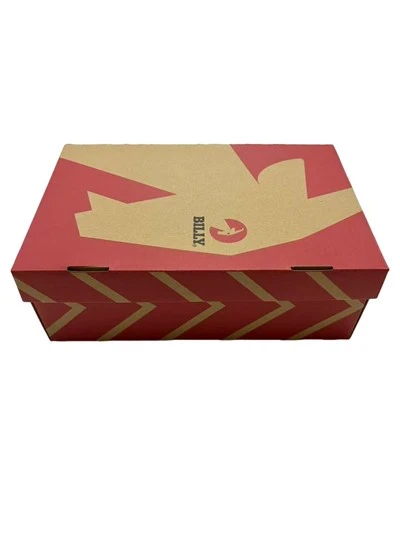
Let’s start with the basics: why pizza box storage is different from storing other cardboard products. Pizza boxes are made from single-wall corrugated board, which is lightweight but surprisingly rigid when unassembled—but only if stored correctly. Moisture is their biggest enemy. Corrugated cardboard absorbs water easily, which makes the flutes (the wavy inner layers that give the box its strength) collapse, leading to boxes that can’t hold a hot pizza or break apart mid-delivery. That’s why many customers make a critical mistake: storing boxes in a damp garage, a leaky warehouse bay, or even a basement with poor ventilation. I’ve had clients come to me with stacks of boxes that developed mold spots or warped edges, and they had to toss hundreds just a week after delivery—costing them thousands in lost inventory.
So what’s the science-backed way to store multiple pizza boxes efficiently? Let’s break it down step by step, from pre-storage prep to long-term space planning, with tips I’ve tested with my own warehouse team and dozens of industry clients.
First, pre-storage prep: this is non-negotiable if you want to keep boxes usable and avoid wasting space. When flat pizza boxes arrive at your location, they’re typically bundled in shrink wrap or tied with plastic bands. Don’t skip unwrapping them immediately (but keep the plastic in a dry area until you’re ready to store—if you don’t plan to sort them right away). Wait, why unwrap? Because the shrink wrap traps moisture that can get released from the cardboard over time. I learned this the hard way a few years back: a client who skipped unwrapping a 500-box bundle found a layer of condensation on the inside of the plastic after two weeks, ruining the top 50 boxes. Unwrapping also lets you inspect each bundle for defects before storage—crushed edges, water stains, or misaligned flutes are easy to spot when the shrink wrap is off, and you can separate those bad boxes to avoid contaminating good ones.
Next, sort by size and type. Pizza boxes come in everything from 7-inch personal sizes to 18-inch family sizes, and mixing them is a space killer. If you stack a bundle of 18-inch boxes on top of 7-inch ones, the smaller boxes will get crushed under the weight, and you’ll also waste vertical space—smaller boxes are thinner, so they can fit tighter stacks if stored separately. I recommend dedicating a specific section of your storage area to each box size, and if you offer specialty boxes (like insulated ones for hot pizzas or eco-friendly compostable options), store those separately too. Compostable boxes, for example, are made from different plant-based fibers that are more sensitive to temperature and humidity than standard corrugated ones, so they need a cooler, less humid spot than regular boxes.
Now, the actual storage method: for flat pizza boxes, the most space-efficient, damage-proof way is vertical stacking in “columns,” not horizontal piles. Wait, let’s explain. Horizontal stacks are what most people do: you lay bundles of flat boxes one on top of the other, creating a wide, low pile that takes up too much floor space. Vertical columns, by contrast, are narrow, tall stacks where each bundle is stood up on its edge, like a deck of cards. This method cuts floor space usage by up to 60%, according to a 2021 study on corrugated packaging storage efficiency from the Packaging Association of North America (PANA). But there’s a right way to build these columns: each bundle should be 50 to 100 boxes max. If you make a column taller than 100 boxes, the bottom bundles can’t support the weight, and the flutes will collapse. Also, when you stand a bundle up, make sure the edge of the cardboard (the “flute side,” which has the wavy inner layer) is facing in toward the center of the column, not out—this protects the flutes from being crushed or bent when you move the column.
But vertical columns aren’t just for warehouse floors—you can use them in smaller spaces too, like a restaurant’s back storage closet. For smaller footprints, use wire shelving units that are 12 to 18 inches deep (perfect for narrow columns of pizza boxes) and secure each column to the shelf with a small piece of plastic tape on the top bundle. This prevents the columns from tipping over, which is a common safety hazard in busy kitchens. Pro tip: if you have limited vertical space (like a tiny storage room with low ceilings), stack the columns horizontally in shelves, but only do this for bundles of the same size. Never mix sizes in horizontal stacks—again, smaller boxes will get crushed.
Now, moisture control: the secret to keeping pizza boxes usable long-term. I’ve said it before, but it’s worth repeating—moisture is the number one threat. So what’s the ideal environment for storage? PANA recommends a relative humidity level between 40% and 50% for corrugated cardboard, and a temperature between 50°F and 70°F. That’s a typical indoor office or warehouse temperature, but if your storage space is damp (like a ground-level bay in a cold warehouse), there are simple fixes. First, use pallets to elevate your columns off the floor—even a standard wooden pallet lifts boxes 4 to 6 inches, which keeps them away from floor moisture (especially if there’s a leak or damp concrete). Second, add silica gel packets to each column of boxes. Most people think silica is only for shoes, but 10 to 15 packets per 100 boxes will absorb excess moisture without damaging the cardboard. I started including free silica packets with every bulk order a few years ago, and my clients reported a 30% drop in damaged boxes within a month. For even more humidity control, use dehumidifiers in small storage spaces—an 18-pint dehumidifier costs less than $150 and can keep a 500-square-foot closet dry, which is perfect for a small pizzeria.
Another space-saver: use custom cardboard dividers or racks. As a supplier, I’ve worked with clients who have unique storage needs, like a chain of pizzerias with 10 locations each needing 500 boxes a week. We designed custom racks that hold 200 flat boxes each, organized by size, and these racks fit perfectly into standard warehouse pallets, so you can move entire racks at once with a forklift (no need to lift individual bundles). Custom dividers also help if you need to store boxes temporarily while you wait for a delivery—they keep bundles separate, so you don’t have to rearrange entire stacks to find a specific size.
Wait, what if you have assembled pizza boxes? Some clients assemble boxes before storing them (to save space later when they’re ready to pack orders). Is that a good idea? It can be, but only if you assemble them loosely. If you fold the sides tight and stack assembled boxes, the creases in the cardboard will become permanent over time, and the boxes won’t hold their shape when you need to put a pizza in. Instead, fold the sides so they’re slightly open, and stack them with the lids facing up—this lets air circulate, prevents moisture buildup in the creases, and keeps the cardboard flexible. I recommend assembling boxes only 24 to 48 hours before you use them, though, because even loosely folded boxes will start to lose their structure after a week.
Now, common mistakes to avoid. I’ve seen clients make these mistakes over and over, so let’s spell them out: First, never store pizza boxes near a heating or cooling unit. Heating can make the cardboard dry and brittle, which means it will tear when you’re folding it for a pizza. Cooling units produce condensation, which adds moisture. Second, don’t store boxes near chemicals or cleaning supplies. Bleach, degreasers, and other chemicals can seep into the cardboard and leave a residue that makes the boxes unsafe for food contact. Third, don’t leave boxes exposed to sunlight. UV rays from windows or overhead lights break down the fibers in cardboard, making it weak and prone to tearing. I once had a client who stored boxes near a large back window, and after three days, the top 100 boxes were so faded and brittle they couldn’t hold a 12-inch pizza.
For small businesses that don’t have a warehouse—like a single pizzeria in a small storefront—storage is even trickier, but it’s not impossible. Use the same vertical column method, but repurpose existing furniture: old bookcases, wire closet shelves, even sturdy plastic bins. Plastic bins work great because they’re airtight (if you add a small hole for ventilation) and keep moisture out. Just make sure you don’t overstuff the bins—leave an inch of space at the top so air can circulate. I’ve helped several small pizzerias use old kitchen carts to move columns of boxes from a back storage area to the front prep area, which saves time and keeps boxes within easy reach without cluttering the kitchen.
Now, let’s talk about long-term storage: if you’re storing pizza boxes for more than a month, what’s different? First, rotate your stock. Use the “first in, first out” (FIFO) method—put new boxes at the back of the column and use the older ones first. This ensures you don’t have boxes sitting unused for months, which can develop mold or become brittle. Second, add a layer of breathable cardboard between columns to prevent friction. Corrugated cardboard can scratch the surface of other boxes, and over time, these scratches can weaken the material. A single sheet of flat cardboard between columns solves that. Third, if you’re storing boxes in a climate-controlled warehouse, invest in a storage management system that tracks box sizes and quantities. As a supplier, I use a simple digital inventory tracker for my own warehouse, which alerts me when a client is running low on a specific box size, so I can deliver before they run out. This also helps my clients avoid overstocking—too many boxes take up space, and boxes that sit too long can become damaged.
I’ve spent 12 years in the pizza box business, talking to owners, managers, and warehouse teams about their storage struggles, and the biggest takeaway is this: efficient storage isn’t just about saving space—it’s about protecting your inventory so you don’t have to toss usable boxes. When you store boxes correctly, you reduce waste, cut down on delivery delays from damaged boxes, and free up space for other things you need. If you’re a pizzeria owner, a warehouse manager, or someone else in the food service industry who needs reliable pizza boxes and storage solutions tailored to your space, I can help. I work with businesses of all sizes, from small local pizzerias to large regional chains, to design storage systems that fit your needs and supply high-quality corrugated boxes that stand up to your storage conditions.

If you’re ready to stop wasting space and start storing your pizza boxes effectively, reach out to me to discuss your needs. Whether you need a bulk order of boxes, custom storage racks, or advice tailored to your specific space, I’ll work with you to find a solution that works for your business. Don’t let cluttered storage or damaged boxes hold your operations back—let’s make your pizza box storage work for you.
Sports Box References
- Packaging Association of North America. (2021. Corrugated Cardboard Storage Best Practices for Food Service Packaging. PANA Technical Bulletin.
- National Restaurant Association. (2020. Small Business Storage Solutions for Food Service Supplies. NRA Operations Manual.
- Corrugated Packaging Council. (2019. Moisture Control Guidelines for Corrugated Cardboard Products. CPC Industry Report.
Dongguan Jinying Printing Co., Ltd.
Dongguan Jinying Printing Co., Ltd. is one of the most experienced pizza box manufacturers and suppliers in China and Vietnam, also supports custom service and OEM service. Welcome to buy bulk luxury pizza box at competitive price from our factory. If you have any enquiry about cooperation, please feel free to email us.
Address: No.5, 1st Road, Jingshan Third Industrial Zone, Chashan Town, Dongguan City, Guangdong Province
E-mail: inquiry@dg-jinying.com
WebSite: https://www.gpspacking.com/
