Hey everyone — if you’re reading this, you’re probably someone who relies on outdoor protection systems to keep your gear, property, or projects safe. Or maybe you’re just tired of troubleshooting on your own and tired of wasted time when your system acts up. As a supplier who’s been in this game for years, I’ve seen every common issue pop up, and I’m here to break this down like I would with a client on the phone — no jargon, no fancy stuff, just real fixes that actually work. Outdoor Protection Systems

First, let’s set the scene: outdoor protection systems aren’t just “boxes outside” — they’re weatherproofing, sensor-based alerts, locks, and coverage all in one. When they mess up, it’s rarely a total failure. Most of the time, it’s a small, fixable thing that trips you up. I’ve heard so many people panic and call for a replacement part when all they needed was a quick clean or a battery swap. Let’s dive into the most common headaches and how to sort ’em out.
1. The System Won’t Power On — No Lights, No Alerts, Nothing
This is the first thing everyone checks, but 9 times out of 10, it’s a basic power issue. I see this all the time with our clients, especially with solar-powered setups (super common for outdoor systems, since running wires out there is a pain).
- First, skip the deep dive into the control unit and check the obvious: is the battery dead? A lot of people forget that even solar units need a fresh battery every 12-18 months, especially if they’re in a shady spot where the panels don’t get enough sunlight. Pro tip: If your system has a low-battery alert (even a quiet one that only shows up on your app), don’t ignore it — that’s your early warning it’s time to swap.
- Next, if it’s plugged into an outlet (we sell both hardwired and wireless options), check the outlet. Outdoor outlets get dirty, get tripped by GFCIs (if there’s a rain splash, that’ll flip it), or just stop working after a few years. Test it with a lamp to make sure power’s getting there.
- One weird trick I’ve learned: sometimes the power cable itself gets kinked or pinched where it meets the system. Outdoor cables take a beating from lawn mowers, weather, and animals. Unplug it, check for frays or cracks, and if it looks beat, swap it — that’s way cheaper than replacing the whole unit.
Last month, a customer told me his whole perimeter security system was dead, and it turned out a squirrel chewed through the cable. We sent a replacement cable, he fixed it in 10 minutes, no big deal. Don’t overcomplicate power issues.
2. Sensors Won’t Trigger Alerts — Ghost Signals or No Signals At All
Sensors are the eyes of your outdoor system, and they’re the first to get messed up by the great outdoors. Motion sensors, door contacts, vibration sensors — all of these face dirt, snow, rain, even bugs that love to crawl into tiny spaces.
- Let’s start with motion sensors. If yours aren’t picking up movement, first clean the lens. Dirt, pollen, bird droppings — all of that blocks the infrared or microwave signal. I tell our clients to wipe the lens with a soft microfiber cloth (no paper towels, they scratch) once a month, especially after a storm. Also, check the sensitivity setting. If it’s set too low, it’ll ignore small movements like a stray cat or wind blowing a branch. Crank it up a notch, but not so high that it triggers every time a leaf moves — balance is key.
- For door or window contacts (the little pairs that stick to surfaces), they work via magnetism. If they’re dirty, the magnet can’t connect properly, so the system doesn’t register a door opening. Wipe both the sensor and the magnet part, and make sure they’re lined up within a half-inch of each other — if they’re shifted after a wind storm, that’s the problem.
- A common weird issue: signal interference. If your system uses Wi-Fi, other devices (baby monitors, smart lights, even your neighbor’s router) can mess with it. Move your system’s Wi-Fi module closer to the router (if it’s wireless) or switch to a less crowded Wi-Fi channel — you can do that in your router’s settings. Pro tip: If you’re in a rural area with spotty cell service, we sell systems with dedicated cellular backups, so don’t rely solely on Wi-Fi if you’re out of town a lot.
I had a client last summer whose motion sensors were only triggering at night, and it turned out his smart floodlight was using the same frequency. Swapping the floodlight’s channel fixed it — no new sensors needed.
3. The System is Giving False Alerts Nonstop — Annoying as Hell
False alerts are the bane of every outdoor system user. Your phone blowing up at 2 a.m. because a raccoon wandered across your lawn? Yeah, that’s what we’re talking about. Most people want to throw the whole system out, but this is another easy fix.
- Let’s tackle motion sensors first, since they’re the biggest culprits. If you’re getting alerts for small, random movements, check the mounting height and angle. I always recommend mounting motion sensors 7-9 feet high, angled downward at a 45-degree angle — that way, they’re not picking up low-lying movement like squirrels, leaves, or grass blowing. If you mounted yours too low or too high, that’s the issue. Also, test for hot spots: is the sensor pointing at a heat source like a dryer vent, a sun-warmed stone wall, or even a dog house? Heat changes can trigger false infrared signals. Just angle it away, problem solved.
- For door sensors, false alerts usually mean the magnet is too far from the sensor, or the adhesive mounting has worn out. If you used the double-sided tape that comes with the system, after a year or two, it can lose stick, so the magnet shifts. Resecuring them with a small screw (we include those in our kit) fixes that way more often than not.
- Another thing: weather events. If you’re in an area with heavy rain, snow, or high winds, that can make outdoor sensors go haywire. Some of our systems have a weather-resistant mode — turning that on will adjust sensitivity so it ignores extreme weather. Don’t leave it off all the time, but it’s a lifesaver during storm season.
Last winter, a customer was getting 10 false alerts a night from his backyard sensor, and it turned out the snow was piling up right next to it, creating extra motion. We suggested moving the sensor a foot away from the snow line, and he hasn’t had a false alert since.
4. Weatherproofing is Failing — Water or Moisture Getting Inside
Outdoor systems are supposed to be rainproof, but they’re not invincible. Water damage is one of the most expensive issues to fix, so catching it early is key.
- First, check all the seals. Every outdoor system has rubber or silicone gaskets around the doors, lens, and cable entry points. Over time, these can crack, dry out, or get covered in dirt, so they don’t seal properly. Wipe the gaskets with a mild soap and water, then apply a small amount of silicone sealant (the kind made for outdoor use) to any tiny cracks. Don’t use too much — it can get inside and mess with the electronics.
- Cable entry points are a big weak spot. If you have a cable running into your system, the hole it goes through should have a rubber grommet. If that grommet is missing, cracked, or pushed to the side, water gets in. I keep extra grommets on hand for all my clients — it’s a 5-minute fix, no tools needed.
- If you see moisture inside the unit (condensation or actual water), don’t turn it on until it’s completely dry. Take out the battery, wipe the inside with a soft cloth, and set it in a dry, warm spot for 24 hours. If you turn it on too soon, you’ll fry the electronics, and that’s a replacement job.
I once had a client who skipped checking the gasket after a rainstorm, and his whole control unit was ruined. We replaced it under warranty, but we told him to check the gasket every month — he hasn’t had that issue again.
5. App Connectivity is Wonky — Can’t Check Status or Control Remotely
Most modern outdoor systems hook up to a phone app, so if you can’t access it when you’re away, it feels like the system is useless.
- First, check your phone’s settings. Make sure the app has permission to use Wi-Fi and cellular data, and that you’re not on a low-power mode that stops background data. Sometimes just closing the app and reopening it fixes it.
- If the app says “no connection,” check the system’s signal. If it’s a cellular system, go outside and stand near the unit — sometimes the signal drops inside your house. If it’s Wi-Fi, try moving the router closer, or reboot both the system and the router. Unplug the router for 30 seconds, plug it back in, wait a minute, then reboot the system — that simple reset fixes half the connectivity issues.
- Also, make sure the app is updated. We push updates regularly to fix bugs, and if you’re running an old version, it might not work with your system’s latest firmware.
A lot of people get frustrated with app issues, but 90% of the time, it’s a quick reboot. I always tell clients to do that first before calling tech support — saves both of us time.
Quick Pro Tips to Avoid Most Issues Entirely
Here’s a bonus section of stuff I’ve picked up over the years that prevents 80% of the problems I see:
- Do a monthly checkup: Wipe sensors, check battery levels, make sure all mounts are tight. Takes 10 minutes, prevents a million headaches.
- Mount your system away from pests: Squirrels, rodents, even birds love to chew cables and nest near units. If you’re in a area with lots of critters, we sell cable covers and pest guards — cheap insurance.
- Get the right size for your space: A lot of people buy a system that’s too small for their property, which leads to weak signals and false alerts. If you’re not sure, just reach out — we can help you pick the right one.
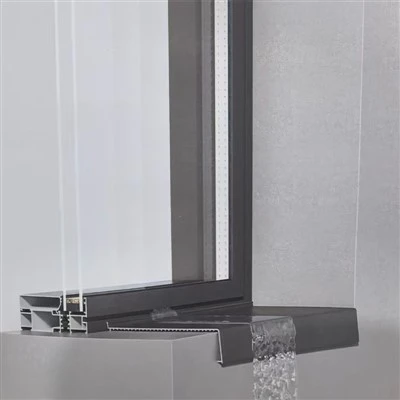
At the end of the day, outdoor protection systems are built to be tough, but they still need a little TLC. Most issues aren’t major — they’re just small things that get overlooked. If you’ve tried all these fixes and you’re still having problems, or you’re ready to upgrade your system to something that actually works for your property, don’t hesitate to reach out. We’re not just a supplier — we’re here to help you get the most out of your outdoor system, no fancy hoops to jump through.
Door Systems References
- Outdoor Power Equipment Institute. (2022). Best Practices for Maintaining Outdoor Electronic Devices.
- International Association of Certified Home Inspectors. (2021). Troubleshooting Perimeter Security Systems.
- National Weather Service. (2020). Weather Impact on Outdoor Communication and Sensors.
Longyan Fumao Aluminum Co., Ltd.
As one of the most professional outdoor protection systems manufacturers and suppliers in China, we’re featured by quality products and good price. Please rest assured to buy customized outdoor protection systems made in China here from our factory. Welcome to contact us for pricelist.
Address: Room 301, No.126 Qingyun West Road, Xinluo District, Longyan City, Fujian Province
E-mail: fumaolvye@163.com
WebSite: https://www.fumaoalu.com/
