If you’ve ever worked in a facility with flammable gases, dust, or even volatile fumes floating around, you know regular LED lights would be a disaster waiting to happen. That’s where ATEX certification comes in – and for us as an LED explosion proof light supplier, it’s not just a checkmark on a box. It’s the whole reason our products can actually do their job without putting anyone at risk. Let’s break this down in plain English, no stuffy jargon that makes your eyes glaze over. LED Explosion Proof Light
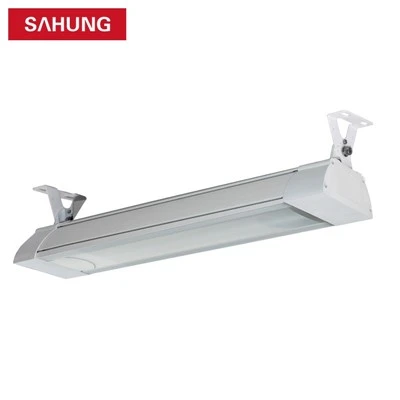
First off, let’s get rid of the “what even is ATEX?” confusion for anyone who’s new to this. ATEX isn’t some random acronym made up by a board of suits. It’s actually short for two European directives – 94/9/EC and 1999/92/EC – that set strict rules for equipment used in explosive atmospheres. Think of it like the EU’s official safety bible for places where a single spark could level a whole facility. For LED explosion proof lights specifically, ATEX certification means the light wasn’t just tested once in a lab – it went through a ton of checks to prove it won’t ignite anything around it, no matter how harsh the conditions get.
Let’s be real here: not all explosion proof lights are created equal. Some suppliers cut corners, slap a vague “explosion proof” label on their LEDs, and call it a day. That’s a huge gamble for end users – oil rigs, chemical plants, grain silos, even some paint manufacturing facilities have all kinds of hidden explosive zones (they call them Zone 0, Zone 1, Zone 2 for gases, or Zone 20, 21, 22 for dust – but we’ll get to that later). Our LED explosion proof lights don’t just claim they’re safe – they actually pass every ATEX requirement, so clients can stop stressing about equipment failures and start focusing on their work.
Here’s the science part, kept simple: when an LED light is operating, it gets hot, right? Regular lights use incandescent bulbs that can hit hundreds of degrees, but LEDs run way cooler – that’s one of their biggest perks. But even LED drivers and housings can generate enough heat if they’re not designed right to spark something flammable nearby. ATEX testing checks every single part of the light: the surface temperature, how well the housing seals in case there is a small internal ignition, even how the wiring is insulated to prevent arcs. For example, if our light is rated for Zone 1 (where flammable gases are present most of the time), it’s built so any internal component failure won’t let a spark escape to the surrounding atmosphere. No more worrying about a broken wire igniting methane fumes or grain dust – that’s the ATEX seal doing its job.
I’ve talked to so many clients who initially thought “ATEX is only for big European companies” – but that’s not true at all. If you’re working in a global industry that uses explosive atmospheres, ATEX certification is often non-negotiable for regulatory compliance. Some regions will accept other certifications, but most heavy-hitting industries (think energy, pharmaceuticals, agriculture) will specify ATEX because it’s widely recognized as the gold standard. As an LED explosion proof light supplier, we deal with clients across North America, Asia, and the Middle East, and every single one of them requires ATEX-certified gear for their high-risk zones. Cutting corners on certification isn’t worth the fines, shutdowns, or, worst of all, safety incidents.
Wait, let’s clear up that Zone thing because it comes up all the time in our chats. ATEX splits explosive atmospheres into zones based on how often flammable material is present. Zone 0 is the most dangerous – there’s a constant cloud of flammable gas or dust 24/7. Zone 1 is when it’s present during normal operations, and Zone 2 is only during rare, accidental leaks. For dust, it’s similar: Zone 20 is continuous dust, Zone 21 is periodic, Zone 22 is rare. Our LED explosion proof lights come in different ATEX ratings for each of these zones, so clients don’t have to overbuy or underrate their gear. A gas plant, for example, needs a different rating than a grain silo, and we make sure every product is matched to exactly what the zone requires.
Another big one: LED lights have come a long way in the last few years, but not all ATEX-certified LED lights are actually efficient. Some older explosion proof lights were bulky, high-maintenance, and used way more energy than they needed to. That’s why when we developed our ATEX-certified LED line, we made sure it checks both boxes: full ATEX compliance and the energy savings that LEDs are famous for. A lot of clients switch from old HID or fluorescent explosion proof lights to ours and cut their energy bills by 50% or more – that’s a win for their bottom line and their safety.
I should also mention that ATEX certification isn’t a one-and-done thing. Suppliers have to undergo regular audits to make sure their manufacturing process stays consistent. We don’t just get certified once and call it good – every batch of our LED explosion proof lights gets random checks from notified bodies (the third-party groups that do ATEX testing) to ensure nothing slips through the cracks. That’s why we can stand behind our products: if it has that ATEX mark on it, you know it’s been vetted properly.
Let’s talk about the mistakes we see other suppliers make. Some will take a standard LED fixture and tweak a few parts, call it “explosion proof,” and skip the full ATEX testing. That’s dangerous. Last year, we had a client come to us after a supplier’s “ATEX” light failed a third-party audit – their housing seal was too weak, so a spark from a faulty driver escaped and could have ignited their paint fumes. They had to shut down operations for a week to replace all the lights, costing them way more than if they’d gone with a certified supplier in the first place. As an LED explosion proof light supplier, we never cut corners on testing because our clients’ safety is on the line.
Here’s a common question: can a regular LED be ATEX-certified? Short answer: no. Regular LEDs aren’t designed for explosive atmospheres – their wiring, housing, and heat management aren’t built to prevent sparks or contain small internal fires. To get ATEX certification, you have to re-engineer every part of the light to meet those strict standards. For example, our LED drivers are encapsulated in flame-resistant epoxy to stop any internal arcs, and our housings are made from heavy-duty aluminum that’s both corrosion-resistant and able to contain any small explosion inside. That’s the stuff that ATEX tests for, and it’s not something you can add on later.
Now, let’s get to the practical side for anyone who’s shopping for these lights. If you’re working in a Zone 1 gas plant or a Zone 21 grain silo, asking “does this have ATEX certification?” should be your first question. Don’t just take a supplier’s word for it – ask for the certificate number and verify it with the notified body that issued it. We make all our ATEX certificates easy to access on our product pages, so clients don’t have to jump through hoops to confirm legitimacy.
For us, being an LED explosion proof light supplier with ATEX-certified products isn’t just a selling point – it’s our promise. We’ve all heard the horror stories of workplace accidents caused by inadequate lighting in high-risk zones, and we want no part of that. Our team doesn’t just sell lights; we work with clients to figure out exactly which ATEX rating they need for their specific zone, recommend the right mounting and brightness level, and even offer maintenance tips to keep their lights working safely for years.
If you’re tired of dealing with suppliers who promise “explosion proof” gear but can’t back it up, or if you’re looking to upgrade your current lighting to more efficient, ATEX-certified LEDs, reach out to our team. We can walk you through everything you need to know, from zone ratings to energy savings, no confusing jargon. We work with small operations and large global facilities alike, because every worker deserves to go home safe at the end of the day.
At the end of the day, ATEX certification for LED explosion proof lights is all about trust. It means the light you’re installing won’t be the thing that causes an accident, that you’re compliant with regional safety regulations, and that you’re getting a product that’s both safe and efficient. Don’t gamble with cheap, uncertified lights – the small savings upfront aren’t worth the risk. We’re here to make the process easy, so you can get the right ATEX-certified LED lights for your facility without the stress.

Let’s connect and talk through your specific needs. Whether you’re outfitting a new facility, upgrading old lights, or just have questions about zone ratings, our team is ready to help. No pressure, just straight talk about safety and lighting that works for your high-risk environment.
LED High Bay Light References:
- European Commission. (1994). Directive 94/9/EC of the European Parliament and of the Council of 23 March 1994 on the approximation of the laws of Member States concerning equipment and protective systems intended for use in potentially explosive atmospheres.
- European Commission. (1999). Directive 1999/92/EC of the European Parliament and of the Council of 16 December 1999 on minimum requirements for improving the safety and health protection of workers potentially at risk from explosive atmospheres.
- International Electrotechnical Commission. (2020). IEC 60079-0: Explosive atmospheres – Part 0: Equipment – General requirements.
- National Fire Protection Association. (2021). NFPA 70: National Electrical Code, Article 500: Hazardous (Classified) Locations.
Hangzhou Shanghong Electronic Technology Co., Ltd.
We are one of the most experienced led explosion proof light manufacturers and suppliers in China. With a professional production team, we offer a wide range of products with superior quality. Please feel free to wholesale custom made led explosion proof light from our factory.
Address: 5F, Building A, No.7 Xiyuan 2nd Road, Xihu District, Hangzhou City, Zhejiang, China.
E-mail: sales3@sahung.com
WebSite: https://www.sahung-light.com/
