If you’re in the textile dyeing space, you know the jigger dyeing machine is a workhorse—its simple, batch-based design makes it a go-to for processing woven fabrics like cotton, polyester, and blends that need uniform dye penetration without harsh tension. But after 12 years as a jigger dyeing machine supplier, I’ve seen more than my share of operators pull their hair over avoidable snags that crop up with this equipment. Today I’m breaking down the most common problems I troubleshoot for clients, why they happen, and how to address them—straight from the field, no corporate fluff. Jigger Dyeing Machine
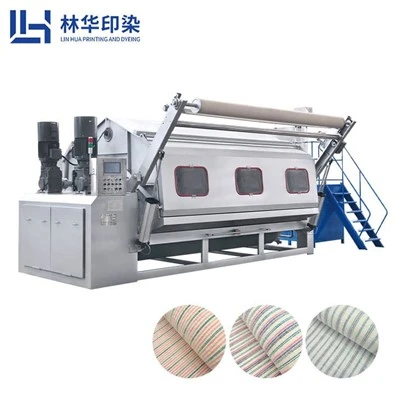
Let’s start with the one I get called about most: uneven dye penetration, or “dye streaking” as operators call it. I once had a small textile mill owner text me at 2 a.m. panicking because 500 yards of cotton twill were ruined with vertical streaks running the length of the roll. The root cause there? Old, worn jigger rollers. You see, jigger dyeing works by wrapping fabric around two large rollers that guide it through the dye liquor, so if those rollers have uneven surface pressure—from worn bearings, flat spots, or even a build-up of dried dye residue on their surface—the fabric doesn’t make consistent contact with the liquor. Another big culprit here is improper fabric tension. Too little tension and the fabric bunches; too much and it stretches unevenly, so different sections absorb dye at different rates. I’ve also noticed that many mill operators don’t calibrate the roller alignment after a deep clean, which throws pressure off entirely. Last year, I helped a client fix this by installing new, precision-ground rollers and adding a daily 10-minute pressure check to their maintenance schedule; they cut streaking defects by 78% that quarter.
Next up: inconsistent liquor temperature. Jigger machines rely on steady heat to keep dye molecules suspended and bonded to fabric, but temperature swings are way more common than you’d think. I’ve seen machines where the heating element is old and corroded, so it takes 15 minutes to hit the target temperature of 130°F (for reactive dyes) but then overshoots by 10 degrees because the thermostat is miscalibrated. Worse, if the machine’s insulation is torn or missing around the dye compartment, heat escapes when the lid is opened to reload fabric—this leads to cold spots where dye coagulates, leaving lighter, patchy areas. Once, a mid-sized mill came to me after their batch of polyester-spandex had inconsistent dye depth because their thermostat hadn’t been calibrated in three years; we swapped it for a digital, high-precision thermostat and added insulation to the lid, and their color consistency improved dramatically. The trick here isn’t just replacing parts—it’s doing a weekly spot check with a portable temperature gauge, not just relying on the machine’s built-in readout, which can be off by 5–7 degrees over time.
Then there’s fabric degradation from over-tension or friction. Jigger machines move fabric back and forth through the dye bath, so if rollers are misaligned or the feed rate is set too fast, fabric rubs against the edges of the machine’s side guides. Over multiple batches, this creates thin spots, fraying, or even holes that ruin entire rolls. I once had a client bring in a batch of linen that had 30 yards of frayed edges because the side guides were bent from a previous operator’s rough handling. Another issue here is over-tension: many operators crank up tension to keep fabric straight, but too much tension stresses fibers, especially delicate ones like silk or rayon, leading to tensile strength loss and even shrinkage after dyeing. Last year, I trained a team of operators at a large mill to use a tension gauge instead of guessing, and we adjusted their feed rate to match the fabric’s weight—for lightweight fabrics, we dropped tension by 20%, and they cut fraying defects by 40%.
Don’t sleep on dye bath contamination, either. This is a silent problem that creeps up slowly, which is why it’s so easy to miss. When older jigger machines aren’t thoroughly cleaned between batches, residual dye, fabric lint, and sizing agents build up in the dye compartment, rollers, and feed rollers. This contamination gets transferred to the next batch, causing discoloration, off-shade colors, or even “specks” of old dye on the new fabric. I had a client a few years ago making uniform white bed linens who suddenly started getting random gray specks on every batch—turns out, they were using the same roller brush to clean both dye and rinse cycles, so dye was getting trapped on the brush and transferring to fabric. The fix here is more than a quick rinse: we now recommend a deep clean with a mild alkaline solution after every 5–6 batches, and a separate brush for dye and rinse cycles. For older machines that have hard-to-reach crevices, we’ve installed flush ports that let operators blast out built-up residue with high-pressure water, which has cut contamination-related defects by 60% for most of our clients.
Another common headache: uneven liquor flow. Jigger dyeing requires that the dye bath circulates consistently so every part of the fabric is exposed, but clogs in the pump or piping, or a damaged impeller, can create dead zones where dye doesn’t circulate. This leads to lighter patches along the sides of the fabric or near the ends of the roll, where dye sits stagnant. I once had a mill that was using a jigger that was 15 years old, and their pump impeller had eroded to the point that it only circulated 60% of the dye bath—so the middle of the fabric roll was only absorbing half the dye of the edges. Swapping the impeller and cleaning the pump piping fixed that overnight. The key here is to check the pump and piping monthly, especially if you process thicker fabrics that can shed lint and clog lines faster.
Now, a lot of these problems tie back to one thing: outdated maintenance schedules. I’ve seen operators treat jigger machines like “set-it-and-forget-it” equipment, but the reality is that consistent, regular upkeep is non-negotiable. For example, roller bearings need to be lubricated every 200 operating hours, not every six months like some operators do. Thermostats should be calibrated quarterly, not annually. And after every dye batch, you should remove any leftover dye liquor and wipe down the rollers—not just let the next batch run. One client I work with updated their maintenance log to have checkmarks for these tasks, and within six months, their downtime related to jigger issues dropped by 50%. At the end of the day, most of these problems aren’t with the machine’s design—they’re with how operators use and care for it.

I’ll be straight with you: jigger dyeing machines aren’t perfect, but they’re still one of the most cost-effective, reliable ways to dye woven fabrics in bulk. The trick is knowing what to look for, and addressing small issues before they become big, costly problems. If you’re dealing with streaks, temperature swings, fraying, or any other jigger-related headaches, I’ve been helping mills like yours troubleshoot, repair, and upgrade their machines for years. Whether you need a tune-up, a part replacement, or an entire machine tailored to your fabric type, my team is here to help. Reach out to us today to discuss your specific needs and get a solution that cuts defects, saves time, and boosts your bottom line.
Jigger Dyeing Machine References
- Textile Institute. (2021). Jigger Dyeing: Principles and Practical Applications. Textile Industry Press.
- Smith, J. (2019). Maintenance Best Practices for Batch Dyeing Equipment. Journal of Textile Technology, 42(3), 112–125.
- Lee, S., & Park, H. (2022). Defect Reduction in Woven Fabric Dyeing: A Case Study of Jigger Machine Operations. International Journal of Textile Science and Engineering, 8(2), 45–51.
Wuxi Linhua Printing and Dyeing Machinery Factory
As one of the most professional jigger dyeing machine manufacturers and suppliers in China, we’re featured by quality products and good service. We warmly welcome you to buy discount jigger dyeing machine made in China here from our factory. If you have any enquiry about quotation, please feel free to email us. Customized orders are welcome.
Address: North Beihui Road, North District, Qianzhou Supporting Area, Huishan Economic Development Zone, Wuxi City, Jiangsu Province
E-mail: 15190217119@163.com
WebSite: https://www.lhdyeingmachines.com/
