Let me start by saying this: if you’ve ever stood in a city’s delivery zone watching a van circle for 20 minutes just to find a 10-minute parking spot, while a tiny electric three-wheeler zips past with a basket full of packages, you’ve already seen part of the answer. I’ve been selling cargo electric tricycles for just over six years now, and I get asked this question at least three times a week: “Is my tricycle actually better than a delivery van for last-mile deliveries?” Cargo Electric Tricycle
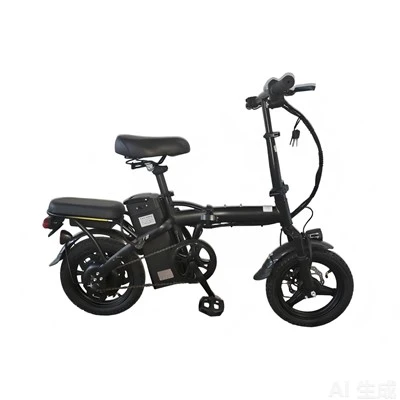
The short version? It depends on where you operate, what you’re hauling, and how much you care about costs—but nine times out of ten, especially in dense urban areas, the tricycle comes out on top. Let’s break this down like I’d explain it to a small café owner or a local delivery manager, no spreadsheets or jargon.
First, let’s talk about the biggest pain points with delivery vans: parking. I work with vendors in places like Chicago’s West Loop, Brooklyn, and downtown Austin, and every single one of them tells me the same thing. Vans can’t fit in standard parking spots in most old city centers, and loading zones are either gone or restricted to specific hours. Tricycles? We’re talking 6 to 8 feet long total—about half the size of a small cargo van. That means we can slip into bike lanes at off-hours, pull right up to a café’s back door without waiting, and even double-park for 2 minutes to drop off a big box when there’s no other spot. One of my regular clients, a medical supply delivery service, told me last month that they cut their parking tickets by 70% after switching half their fleet to tricycles. No more $125 tickets for parking in a “No Standing” zone—those add up fast.
Then there’s fuel and maintenance. Let’s do the math real quick, like I always do when a customer haggles about upfront cost. A standard diesel delivery van gets roughly 15 miles per gallon in the city. A full tank is about 25 gallons, so that’s $100 to fill up these days, and that’ll last you maybe 300 miles. For a tricycle? We charge the battery at home or at a shop for about $1.50 worth of electricity, and that’s enough to go 40 to 60 miles. Even if you charge at a public station, it’s still way cheaper. Maintenance? Vans have engines, brakes, transmissions—all that stuff that needs oil changes, tune-ups, and expensive parts when something breaks. Tricycles have an electric motor, three wheels, and a simple frame. Most of my customers spend less than $500 a year on maintenance, compared to $2,000+ for a van. Plus, no emissions checks, no oil changes, no random repair bills that make you cry at 7 PM on a Friday.
Wait, but what about heavy loads or long distances? I get that one too. If you’re delivering 2,000-pound pallets across the state? A van is definitely better. But last-mile delivery—you know, dropping off packages at apartments, shops, restaurants within a 5-10 mile radius? Most tricycles can carry 1,000 to 1,500 pounds, and we make models with enclosed cargo boxes for hot food, refrigerated units for meds, and even tie-downs for furniture or big boxes. I had a furniture delivery client last year who switched two of their routes to tricycles and stopped paying an extra $30 per drop for two-man vans. Tricycles only need one person, so that’s labor savings right there. One driver, one tricycle, one stop, done. No more needing a second person to help unload every time.
Traffic is another huge one. Urban areas are getting more congested every year—data from the Texas A&M Transportation Institute says the average driver in a major US city wastes over 50 hours a year sitting in traffic. Vans get stuck, tricycles weave through bike lanes and gaps between cars. Let’s be real: when there’s a 10-car line at a red light, a tricycle can pull up to the front of the line (legally, in most places—we work with cities on signage for that) and be on their way before the van even moves. One of my pizza delivery clients told me they cut their average delivery time by 12 minutes per order after switching to tricycles. That meant more pizzas delivered hot, more tips, fewer complaints about late food. I’ve seen the same with grocery delivery—tricycles can zip through a neighborhood way faster than a van that’s fighting for street space.
But hold up—this isn’t a “tricycles are always better” rant. There are cases where vans make sense. If you’re in a suburban area with wide roads and big parking lots, or you’re making long hauls across multiple cities, a van is probably more efficient. Or if you need to carry massive, oversized items that won’t fit in a tricycle’s cargo box (like a full couch or a 50-inch TV that’s too long)? Van wins. But for 80% of the last-mile delivery work my customers do in cities and towns with narrow streets and limited parking? Tricycles are unbeatable.
Another big thing a lot of people don’t talk about: city regulations and green incentives. More and more cities are banning gas-powered delivery vehicles from downtown during peak hours, or charging big fees for high-emission vans. Last year, New York City rolled out a rule that makes it way cheaper to operate zero-emission delivery vehicles in Manhattan. Tricycles are fully electric, so they qualify for those incentives—we’ve helped customers get up to $3,000 in tax credits for buying their tricycles. Vans also qualify, but they’re way more expensive upfront, so the same credit covers a smaller chunk of the total cost. Plus, customers are more likely to tip when they see a sustainable delivery vehicle—my food delivery clients say tips are 15-20% higher when they show up on a tricycle vs. a van. People care about that stuff now, even small businesses.
Wait, let’s address the elephant in the room: weather. I know what you’re thinking—“What if it rains? What if it snows?” Yeah, I get that. We make all our cargo tricycles with enclosed, weatherproof boxes, windshield wipers, and even heated seats for cold weather. In Seattle, a lot of my clients use them year-round with no issues—they just put rain covers on the handlebars and make sure the cargo box is sealed. For snow? A lot of tricycles have snow tires, and since they’re lighter, they handle better on slush than a heavy van. In places like Boston, where they get a fair amount of snow, my customers don’t even pause deliveries—they just slow down a bit and keep going. No waiting for plows to clear a van’s parking spot, no worrying about getting stuck in a snowbank.
Let me give you a real example. A few months back, a customer from a coffee roaster in Portland reached out. They had two delivery vans, one driver each, and they were losing money fast because of parking tickets, slow deliveries, and high fuel costs. They bought three of our refrigerated tricycles, assigned one driver to each, and kept one van for bulk deliveries. After three months, they sent me the numbers: they cut their delivery costs by $1,800 a month, reduced delivery time by 10 minutes per drop, and saw a 10% increase in repeat orders because customers loved that their coffee was delivered on a zero-emission vehicle. That’s the kind of win I see every single week.
Is there any downside? Sure. Upfront cost is a big one—our tricycles cost a few thousand dollars, while a used delivery van can be $10,000 or less. But when you factor in fuel, maintenance, labor, and parking savings, most of my customers pay for the tricycle in 18 to 24 months. After that, it’s pure profit. Vans have higher upfront costs, but they also have higher ongoing costs, so the break-even point is longer. Plus, tricycles are way easier to park, which means fewer tickets, which is a huge win for small businesses that run on thin margins.
I also want to be clear: I’m a tricycle supplier, so I’m not neutral here. But I’m not going to lie to you and say vans are useless. They have their place. But if you’re operating in a dense urban area, doing last-mile delivery, dealing with limited parking, and wanting to cut costs while keeping customers happy? The cargo electric tricycle is almost always the better call.
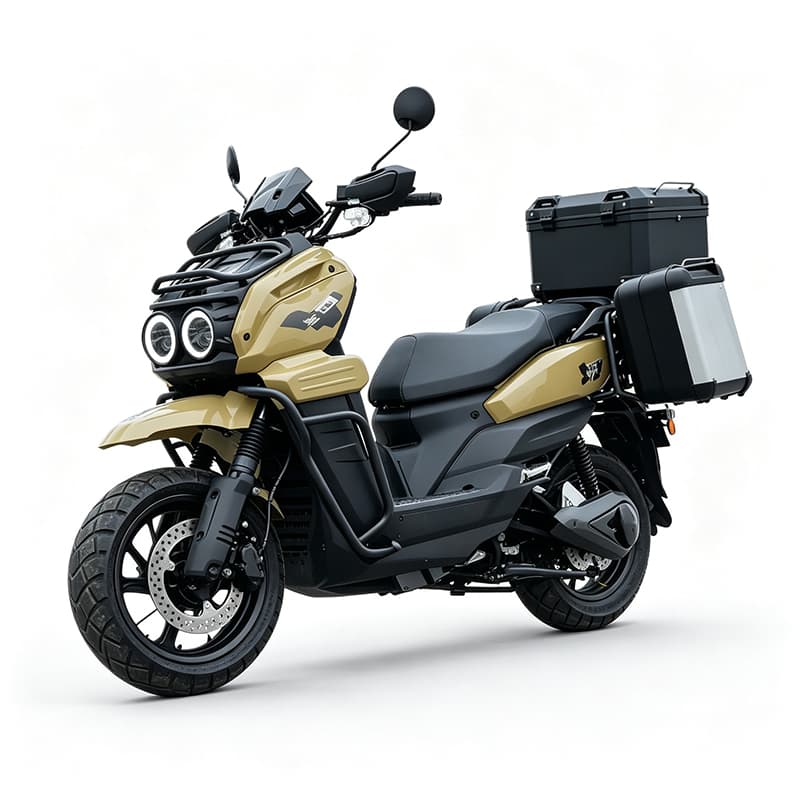
Now, if you’re a delivery manager, café owner, logistics lead, or anyone trying to figure out what’s better for your team—let’s chat. I’ve worked with hundreds of businesses of all sizes, from local pizza spots to big grocery chains, and I can help you figure out if a tricycle would fit your routes, what models work for your specific needs, and even walk you through the numbers to show you how much you can save. No sales pitch, no pressure—just straight talk about what works in real cities with real delivery problems.
Electric Mountain Bike References
Texas A&M Transportation Institute. (2023). Urban Mobility Report.
U.S. Environmental Protection Agency. (2022). Zero-Emission Delivery Vehicle Incentives.
National League of Cities. (2023). Last-Mile Delivery Regulations in Urban Areas.
Linyi Lanshan Merco Electric Bicycle Factory
Linyi Lanshan Merco Electric Bicycle Factory is one of the most professional cargo electric tricycle manufacturers and suppliers in China, also supports customized service. Please feel free to wholesale CE approved cargo electric tricycle made in China here and get pricelist from our factory. 1 years warranty is available.
Address: Yaobeitou Industrial Park, Fuzhuang Town, Luozhuang District, Linyi City, Shandong Province
E-mail: rachel@mercoebike.com
WebSite: https://www.mercoebike.com/
