If you’ve ever stood on the floor of a mid-sized manufacturing plant, watching the main production lines churn out parts or assemble finished goods, it’s easy to fixate on those large, loud, high-profile pieces of equipment. The stamping presses that bend metal into car body panels, the robotic arms that solder circuit boards, the ovens that cure paint or bake ceramics—these are the stars of the operation, the machines that turn raw materials into the products that make a plant money. But ask any plant manager or operations engineer what keeps those main lines running smoothly, and they’ll tell you it’s the unsung workhorses no one talks about: auxiliary machinery. Auxiliary Machinery

For almost 15 years, I’ve run a small but dedicated auxiliary machinery supply company, and one conversation I have with every new client starts the same way. A plant operations director will greet me, walk me past their 10,000-square-foot production floor, point to the line that’s been running 22 hours a day for months on end, and say, “We need more of what powers this.” Too often, they don’t realize that “what powers this” isn’t a single machine—it’s a network of auxiliary equipment, each with a non-negotiable job, each with its own set of performance demands that can make or break the main line’s uptime.
Let’s start with a working definition that’s rooted in real plant operations, not just textbook jargon. Auxiliary machinery (often shortened to “aux equipment”) is the collection of support systems and standalone machines that enable, enhance, or maintain the core production processes of a manufacturing plant. It doesn’t directly transform raw materials into finished goods, but without it, those core production lines would grind to a halt within hours. Think of it like the circulatory, respiratory, and nervous systems of a human body: you don’t notice them until they fail, but once they do, every other function stops.
To make this tangible, let’s break down the most common categories of auxiliary machinery, with examples from the plants I’ve worked with. First, there’s utility support machinery, the backbone of a plant’s day-to-day function. This includes air compressors that deliver the pressurized air that runs every pneumatic tool, from those quick-release clamps on stamping lines to the spray guns that apply sealants. I recently supplied a 500-horsepower rotary screw air compressor to a heavy equipment manufacturer in the Midwest; their old unit was failing every 12 weeks, causing $40,000 in lost production each time. Second in utility is the water treatment system—process water, cooling water, and boiler feed water. For a food and beverage plant, auxiliary water purifiers ensure the water used to wash produce, mix ingredients, and sanitize lines meets FDA standards, while for a chemical plant, closed-loop cooling towers keep reactor vessels from overheating during 24-hour production runs. Third in utilities are the power backup systems: generators, uninterruptible power supplies (UPS), and voltage regulators. A single 10-second power surge can ruin a batch of semiconductors; a small plant generator can mean the difference between a $100,000 loss and a 10-minute delay.
Next, there’s material handling auxiliary machinery, which keeps parts, raw materials, and finished goods moving without tying up core line space. This is more than just a forklift (though forklifts are often considered auxiliary, depending on the plant). It includes conveyors that move blanks from a warehouse to a stamping press, automated guided vehicles (AGVs) that transport circuit boards between assembly stations, and hoists that lift large, heavy dies into stamping lines. I once worked with a automotive parts plant that had their main stamping line down for two days because their overhead hoist motor burned out—no backup, no spare on hand, just a $200,000 repair bill and a backlog of 5,000 door panels. That’s the kind of costly downtime that good auxiliary machinery planning prevents.
Then there’s process-specific auxiliary machinery, the systems that are tailored to a plant’s unique core operations. For a plastic injection molding plant, auxiliary equipment includes resin dryers that remove moisture from plastic pellets before they’re melted, mold temperature controllers that keep molds at a consistent 120°F to 350°F depending on the resin, and granulators that trim excess plastic from molded parts and send it back to be reused. For a metal fabrication plant, this includes surface prep units like sandblasters, acid cleaners, and powder coaters that prepare parts for finishing. For pharmaceutical plants, auxiliary equipment includes filtration systems for APIs, tablet coaters, and packaging sanitizers that meet GMP (Good Manufacturing Practices) requirements. This is where auxiliary machinery isn’t just support—it’s a critical part of the core quality control process.
Finally, there’s maintenance and safety auxiliary machinery, often overlooked but as important as any other category. This includes portable coolant recycling systems that extend the life of cutting fluids in machining lines, leak detection sensors for compressed air lines (which can waste up to 30% of a system’s air through tiny, undetected leaks), and fire suppression systems tailored to industrial settings. Safety is a big one: I recently supplied a dust collection system for a woodworking plant that had experienced a near-miss explosion from accumulated sawdust. That system isn’t just auxiliary—it’s a requirement for OSHA compliance, and it can save lives as well as production time.
Here’s the thing many plant owners don’t understand about auxiliary machinery: it’s not a “set it and forget it” expense. Too often, companies buy the cheapest air compressor or conveyors they can find, then wonder why their main lines have unplanned downtime. Last year, I worked with a small electronics assembly plant that had installed a used air compressor to save $10,000. Within six months, the compressor was losing 20% of its pressure to leaks, leading to inconsistent operation of their pneumatic pick-and-place robots. They were wasting an extra $12,000 a year on electricity, and their defect rate on circuit boards jumped 8% because the robots were misaligning components. That cheap “saving” cost them $36,000 in a single year.
On the flip side, investing in the right auxiliary machinery delivers returns that far outweigh the initial cost. Let’s do a quick math example from a client of mine in the construction equipment industry. They replaced three old, inefficient cooling towers with a set of variable-speed units I supplied. The new towers reduced their water usage by 25% and cut their electricity bill for process cooling by $18,000 a year. They also added a remote monitoring system, which alerts their maintenance team to small issues before they become big ones. In the first year, the new equipment paid for itself in energy and downtime savings, and in the two years since, they’ve avoided over 40 hours of unplanned production downtime.
Another point that’s worth emphasizing: modern auxiliary machinery is getting smarter, and integrating it with your core production systems is one of the biggest opportunities for plant optimization today. Ten years ago, an air compressor would just run nonstop, using electricity even when no air was needed. Now, you can add a SCADA (Supervisory Control and Data Acquisition) module that syncs the compressor’s operation with the main production line. If the line slows down for a scheduled changeover, the compressor ramps down to a lower load, saving energy without affecting operations. I recently installed a set of modular, IoT-connected material handling conveyors at a food processing plant; they can be reconfigured in less than an hour to run new product lines, instead of the 8 hours it took with their old fixed conveyors. That kind of flexibility is invaluable in an industry where product lines change every few years.
Now, I know what some of you are thinking: “My plant is small, I don’t need all this fancy auxiliary equipment.” That’s a common misconception. A small machine shop that only runs 8 hours a day still needs a reliable air compressor, coolant recycling systems, and a backup generator for when the power goes out. A craft bakery that produces bread for local cafes has auxiliary systems for mixing, proofing, and cooling that keep their ovens running efficiently. Auxiliary machinery scales to your operation, regardless of size. The key is to match the right auxiliary equipment to your specific needs, not just buy what’s popular or what’s cheapest.
As an auxiliary machinery supplier, I’ve built my business on being more than just a vendor. I don’t just show up with a piece of equipment and hand over the invoice. I work with plant managers to audit their current systems, identify where they’re wasting energy or losing production time, and recommend equipment that fits their budget and their long-term goals. That might mean retrofitting an existing system instead of buying new, or adding a backup unit so if one piece fails, another can take over without shutting down the whole line. I also provide ongoing maintenance and remote monitoring support, so clients don’t have to worry about their auxiliary equipment breaking when they least expect it.
Let’s circle back to that opening image of the manufacturing floor. The stamping press, the robotic arm, the oven—they’re what make your product, but they can’t do their job right if their supporting systems are underperforming. Auxiliary machinery is the quiet partner that holds your entire operation together. It’s the difference between a plant that runs smoothly, hits its production targets, and keeps costs low, and one that deals with unplanned downtime, high energy bills, and quality defects.
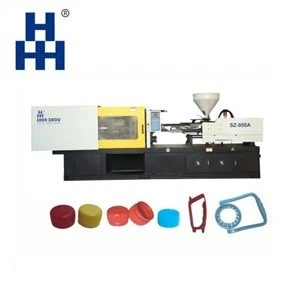
Injection Blowing Machine If you’re reading this and thinking, “I need to take a closer look at my auxiliary equipment,” or “I’m experiencing issues with something that powers my main lines, reach out to us to discuss your needs. We don’t sell one-size-fits-all solutions, and we don’t do pushy sales pitches. We work with plants of all sizes, from small machine shops to large automotive facilities, to find the auxiliary machinery that meets your requirements, fits your budget, and delivers long-term value. Whether you need help reducing energy costs, cutting downtime, or ensuring compliance with safety regulations, we’re here to help you keep your operation running at its best.
References
- Shingleton, J. (2022). Auxiliary Equipment Selection for Modern Manufacturing Plants. Industrial Press.
- OSHA (2021). Industrial Auxiliary Machinery Safety Standards for General Industry. U.S. Department of Labor.
- Energy Star (2023). Managing Compressed Air Systems for Industrial Energy Efficiency. U.S. Environmental Protection Agency.
- Gartner, S. (2020). IoT Integration in Auxiliary Manufacturing Equipment: Best Practices for Uptime Optimization. Manufacturing Technology Research Journal.
Shenzhou Machinery Co., Ltd.
As one of the most professional auxiliary machinery manufacturers and suppliers in China, we’re featured by quality products and good price. Please feel free to buy advanced auxiliary machinery made in China here from our factory. We also accept customized orders.
Address: Fenghuang Town, Zhangjiagang City, Jiangsu Province, P.R.China
E-mail: sale@shenzhoumac.com
WebSite: https://www.shen-zhoumachinery.com/
